The Golden Glow of Celandine: Nature’s Early Spring Herald
As the last frost of winter recedes, one of the first signs of life to grace our woodlands and riverbanks is the Greater Celandine (Chelidonium majus) and its cousin, the Lesser Celandine (Ficaria verna).
With their vibrant, star-shaped yellow petals, these cheerful blooms act as a beacon of joy for gardeners and nature lovers alike, signaling that spring has truly arrived.
A Master of Resilience
Celandine is a perennial herb renowned for its tenacity. Often emerging as early as February or March, these flowers possess a unique physiological trait: they are "nyctinastic."
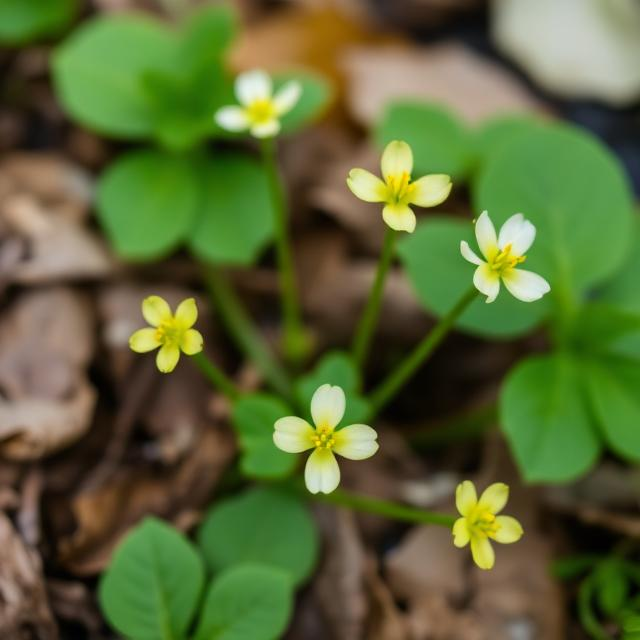
This means they fold their petals tightly at night or during overcast weather, protecting their precious pollen from moisture and cold. When the sun breaks through, they unfurl once more, turning their faces toward the light.
Folklore and History
Beyond their beauty, celandine flowers have a rich history in traditional herbalism. Legend has it that swallows used the plant’s bright yellow sap to clear the clouded eyes of their fledglings, earning it the nickname "the swallow herb."
Historically, the sap—which contains alkaloids—was applied topically to treat warts and skin blemishes. However, it is important to note that the plant is toxic if ingested, serving as a reminder that nature’s beauty should be admired with caution.
Adding Gold to Your Garden
If you are looking to encourage biodiversity, celandine is an excellent addition to a wild garden. They are vital early-season forage for emerging queen bumblebees and solitary bees that need a quick energy boost after hibernation.
They thrive in damp, shady spots where other plants might struggle, making them the perfect ground cover for those difficult corners of your landscape.
Whether you spot them carpeting a damp forest floor or peeking out from a garden hedge, take a moment to appreciate the celandine—a resilient, golden harbinger of the warmer days ahead.