Books with Strong Disability Representation in Fantasy
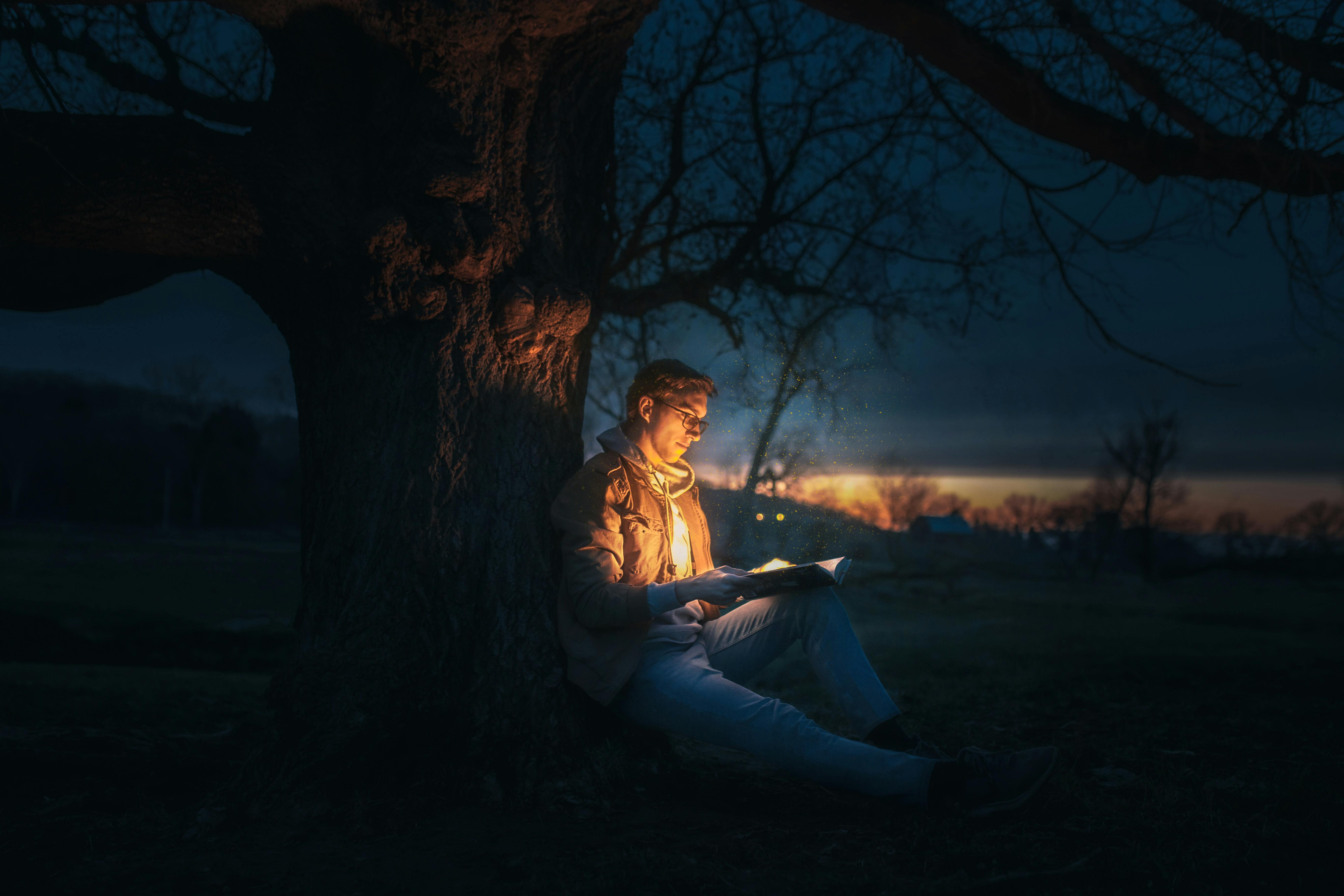
Fantasy is a genre built on wonder where dragons soar, magic pulses through ancient ruins, and anything feels possible. But for far too long, one thing has often been missing in these epic tales: authentic representation of disabled characters. In worlds where imagination knows no limits, why does disability so often get erased, “cured,” or sidelined?
The truth is, disabled people do belong in fantasy not just as background figures or metaphors, but as heroes, warriors, scholars, rulers, and rebels. When authors include disability as a natural and meaningful part of a character’s identity, it deepens the story and reflects the richness of real-life experiences. And when those portrayals are done right, they don’t just create more inclusive fiction they help all readers feel seen, challenged, and inspired.
In this post, we’re diving into fantasy novels that get it right books where disabled characters are written with nuance, respect, and complexity. Whether you’re looking for high-stakes magic, gritty pirate battles, or fairy tale retellings with a twist, these stories prove that you don’t need to erase disability to write epic adventures.
Why Disability Representation in Fantasy Matters
Fantasy thrives on bending reality. It lets us explore new realms, imagine the impossible, and question the rules of our own world. But even in the most magical settings, stories feel hollow when they exclude real human experiences especially those of disabled people. In many traditional fantasy narratives, disability is either absent or treated as something to be “overcome” or magically erased. The result is a genre that too often overlooks the full spectrum of human identity.
Authentic disability representation matters because it challenges harmful stereotypes and breaks away from tired tropes. We’ve all seen the “tragic cripple,” the villain with a scar or limp, or the miraculous cure that erases a character’s condition just in time for the happy ending. These depictions flatten the complexity of disability and send the message that a person’s worth is tied to how “able-bodied” they are by the end of the story.
But when authors choose to include disabled characters as whole people not just symbols or plot devices it opens the door to richer storytelling. Characters with disabilities can be powerful warriors, cunning strategists, empathetic healers, or flawed heroes navigating harsh worlds. Their disabilities don’t define them, but they do inform their lives, relationships, and choices in meaningful ways.
In fantasy, where characters often grapple with impossible odds and shape the fate of kingdoms, disabled protagonists add depth and realism. They remind us that strength takes many forms and that courage doesn’t always look like swinging a sword. Sometimes, it looks like navigating a world that wasn’t built with you in mind and still refusing to be written out of the story.
This is why we need more inclusive fantasy not just to reflect reality, but to reimagine it in bold, inclusive ways. Because when everyone can see themselves as the hero of the story, the magic hits a little differently.
Book Recommendations
There’s a growing list of fantasy novels that are reshaping the way disability is represented centering disabled characters in stories full of wonder, danger, and transformation. Here are some standout titles where disability is more than a side note it’s an integral, respected part of the narrative.
📘 The Bone Ships by RJ Barker
In this gritty nautical fantasy, RJ Barker introduces us to Joron Twiner, a shipwife in a world ruled by sea battles and monstrous creatures. What’s striking is the portrayal of Lucky Meas, a fierce commander who deals with chronic pain from past injuries. The book doesn’t downplay her condition or romanticize it it’s just part of her life, and it shapes how she leads. Barker, who has a disability himself, brings real insight into the physical and emotional toll of living with chronic pain, making the character feel layered and grounded. In a genre full of seemingly invincible warriors, this kind of realism is both refreshing and powerful.
📘 The Diviners Series by Libba Bray
Set in the jazzy, haunted streets of 1920s New York, The Diviners features a diverse ensemble cast, including Jericho, a character who survived polio and now lives with a mechanical heart that both empowers and limits him. His physical condition is not just backstory it’s something that impacts his relationships, his self-perception, and his role in the supernatural events unfolding around him. Libba Bray, who also lives with a disability, writes Jericho with empathy and nuance, offering a rare blend of historical fiction, horror, and authentic disability rep.
📘 Foundryside by Robert Jackson Bennett
This high-concept fantasy thriller centers on Sancia, a thief in a city where magic operates like code. Sancia lives with lasting trauma from past experiments that left her with both abilities and pain. Her body doesn’t always work the way she wants it to, and her struggle with physical limitations is woven seamlessly into her growth as a character. Rather than being sidelined, her disability becomes part of how she navigates and sometimes hacks the magical systems of her world. It’s a clever, action-packed story that treats disability as an essential part of a complex heroine.
📘 A Curse So Dark and Lonely by Brigid Kemmerer
This Beauty and the Beast retelling brings Harper, a modern-day girl with cerebral palsy, into a magical world full of curses, kingdoms, and dark secrets. What makes Harper stand out is that she’s not written as “inspirational” for simply existing she’s brave, impulsive, and determined, often to the point of recklessness. Her CP isn’t glossed over or erased by magic; instead, it’s acknowledged and respected by the people around her. Kemmerer makes it clear: Harper’s strength doesn’t lie in “overcoming” her disability but in embracing who she is, exactly as she is.
📘 The Left Hand of Darkness by Ursula K. Le Guin
While not centered entirely on disability, Le Guin’s classic features characters who experience disability in a society with different expectations around ability, gender, and survival. The world of Gethen is shaped by harsh environments, and the protagonist’s interactions with disabled individuals provide subtle but meaningful commentary on physical limitation, empathy, and interdependence. As always, Le Guin challenges readers to see identity through a radically different lens.
📘 The Reckless Kind by Carly Heath
Set in an alternate-history Scandinavia, this quiet but powerful historical fantasy follows three queer, neurodivergent and physically disabled teens who defy societal expectations and fight for a life outside conformity. From chronic pain to mental health struggles, the characters are unapologetically themselves, and their disabilities are integral to their identities not something they have to change to earn love or respect. It’s a character-driven story with heart, autonomy, and radical softness.
📘 Queen of the Conquered by Kacen Callender
In this Caribbean-inspired epic, Sigourney Rose is a noblewoman with a mobility impairment living under a brutal colonial regime. Despite being physically limited, Sigourney’s strength lies in her ruthless intelligence and magical ability to control others’ thoughts. The book is dark, intense, and unapologetically political. Callender doesn’t just include disability they show how oppression, trauma, and power can intersect in one body, and how that body can still demand space, revenge, and respect.
Each of these books demonstrates that fantasy doesn’t need to erase disability to tell compelling stories in fact, it can do the opposite. By embracing disability as part of the magic, the struggle, and the triumph, these authors remind us that heroism comes in many forms.
Honorable Mentions
While the books mentioned above place disabled characters at the heart of their narratives, there are many more that offer meaningful if more subtle or secondary representation worth highlighting. These stories may not always center disability, but they include characters who live with physical, mental, or neurological conditions in ways that feel genuine and thoughtfully portrayed.
Leigh Bardugo’s Six of Crows introduces readers to Kaz Brekker, a criminal mastermind who walks with a cane due to a severe leg injury. What’s compelling about Kaz’s portrayal is that his disability is ever-present shaping how he moves, fights, and copes with trauma but it never defines his brilliance or diminishes his threat. Bardugo, who has dealt with chronic illness herself, writes Kaz’s pain with nuance, ensuring that readers understand the reality of living with limitations while still giving him room to be cunning, brutal, and deeply human.
In Moniquill Blackgoose’s To Shape a Dragon’s Breath, neurodivergence and chronic illness are explored within a deeply layered Indigenous-inspired fantasy world. The main character, Anequs, processes the world in ways that challenge colonial expectations of “normal,” including through sensory sensitivity and cultural dissonance. The book gently but powerfully critiques ableism while expanding what representation can look like in speculative fiction.
Helene Wecker’s The Golem and the Jinni, while not primarily a story about disability, includes deeply introspective moments that touch on emotional isolation, identity, and invisible pain. These themes often resonate with readers who have chronic illnesses or disabilities that aren’t always visible to others. The characters’ internal struggles mirror real-life experiences of navigating a world that misunderstands or overlooks difference.
Additionally, authors like T. Kingfisher (Nettle & Bone, The Twisted Ones) often create characters who are older, injured, or simply not the typical “chosen one” hero offering space for bodies and minds that are more complex, worn, and grounded in reality. These quieter forms of representation matter, too, and help reshape our expectations of who gets to wield magic or save the world.
These honorable mentions are reminders that representation doesn’t always need to take center stage to matter. Even when disability exists in the margins of fantasy, it helps create richer, more inclusive worlds where readers can recognize themselves in the cracks of the extraordinary.
What to Look for in Good Disability Representation
Not all representation is created equal. While it’s exciting to see more disabled characters appearing in fantasy, it’s just as important to think critically about how those characters are portrayed. A character’s disability shouldn’t be an afterthought, a metaphor for inner weakness, or a convenient obstacle to be magically removed. Good representation is intentional, respectful, and deeply human.
One of the key markers of strong disability rep is authenticity. This often comes from #OwnVoices authors writers who share the lived experience they’re depicting or from those who’ve clearly done the work: research, consultations, and the inclusion of sensitivity readers. When a character’s disability is written with care, it shows in the details how they move through their environment, how others react to them, how they talk about their own bodies and minds. These aren’t just plot points; they’re part of a character’s identity and worldview.
Equally important is avoiding harmful tropes, especially the idea that disability must be “fixed” for a character to be whole. In fantasy, this often plays out through magical cures, which can unintentionally reinforce the idea that disability is a tragedy to be erased. While some stories do explore healing as a metaphor, it’s essential to distinguish between exploring that desire and endorsing it. True inclusion means showing disabled characters as worthy, complete, and capable without needing to change who they are.
Complexity and agency are also crucial. Disabled characters should have goals, flaws, relationships, and arcs that aren’t solely defined by their condition. They should make choices, shape their destinies, and yes be allowed to fail and grow, just like any other protagonist. This also means they can be heroes, villains, sidekicks, or scholars disability shouldn’t limit the kind of story they’re allowed to be in.
Finally, it’s worth noting that disability representation isn’t a box to check it’s a lens to deepen storytelling. When woven into the fabric of a character’s life and the world around them, disability can add emotional richness, challenge assumptions, and offer perspectives that are often underrepresented in genre fiction.
As readers and creators, we have the power to uplift stories that do this well and to call for more inclusive, meaningful depictions. Because everyone deserves to find themselves in a world of magic and not just in the background, but right in the center of the story.
Final Thoughts
Fantasy has always been about possibility the chance to imagine new worlds, challenge old systems, and break beyond the limits of the everyday. So it only makes sense that the genre should also be a place where disabled people don’t just exist, but thrive. When we see disabled characters as heroes, villains, healers, rulers, and rebels, we start to rewrite who gets to take up space in the stories we tell and the futures we dream of.
The books featured here are just a starting point. Disability representation in fantasy is growing, but there’s still so much room for more: more disabled protagonists, more intersectional stories, more authors with lived experience leading the way. As readers, we have the power to champion these books, recommend them to others, and support the writers who are pushing the genre forward.
If you’ve ever felt unseen in the pages of your favorite books or if you’re looking to understand the world through a different lens stories like these offer a powerful reminder: the magic doesn’t lie in perfection or able-bodied ideals. It lies in resilience, in difference, in the refusal to be erased.
So the next time you step into a fantasy world, look for the characters who limp, who feel pain, who fight through fog or fatigue, who wield canes, wheelchairs, prosthetics, or sheer determination and know that their stories are not just valid, but vital.
And if you’ve got a favorite book with disability rep that didn’t make the list? Drop it in the comments I’d love to hear what stories have moved you, challenged you, or helped you feel seen.
Frequently Asked Questions (FAQs)
📚 Why is disability representation in fantasy important?
Disability representation is important in every genre, but especially in fantasy where the rules of the world can be rewritten. Including disabled characters shows that magical worlds can (and should) reflect the full range of human experiences. It normalizes disability, challenges harmful tropes, and allows disabled readers to see themselves as heroes, adventurers, and world-changers.
🪄 Isn’t it okay if a character’s disability is “magically healed” in a fantasy setting?
It depends on the context. Magical healing can be a meaningful plot point if handled thoughtfully, especially when it explores questions of choice, consent, and identity. But when healing is treated as the only “happy ending” for a disabled character, it can reinforce the idea that disability is something inherently negative or lesser. Great fantasy embraces difference without needing to erase it.
📖 What does #OwnVoices mean, and why does it matter here?
#OwnVoices refers to books written by authors who share the same marginalized identity as their characters in this case, disabled authors writing disabled characters. These stories often carry a deeper authenticity, as they reflect lived experiences that can’t be easily replicated through research alone. Supporting #OwnVoices authors helps amplify those perspectives and shift publishing toward more inclusive narratives.
🧝 Can disabled characters still be strong fantasy protagonists?
Absolutely. Strength doesn’t come from being physically flawless it comes from resilience, ingenuity, and emotional depth. Disabled protagonists can wield magic, lead armies, outwit enemies, or forge their own paths in ways that are just as compelling (if not more so) than their able-bodied counterparts.
🧙 Where can I find more fantasy books with good disability representation?
Start with the books listed in this post, but also check out recommendation lists on platforms like Goodreads, Book Riot, and disability-focused blogs or booktoks. Following disabled reviewers and creators on social media is a great way to discover new titles, too.
✨ I’m writing a fantasy novel with a disabled character how can I do it right?
Do your research. Read books by disabled authors. Hire sensitivity readers. Make sure your character has agency, depth, and a story that doesn’t revolve solely around their disability. Avoid clichés like the “tragic burden” or the “miraculous cure,” and aim to reflect a real, multifaceted person. Above all, write with respect and intention.