Real Books vs. E-Books: Which Is Better?
In the digital age, a timeless debate continues to divide avid readers: the classic paperback versus the sleek e-reader. While both formats ultimately lead to the same destination—a good story—they offer vastly different reading experiences. So, which side of the literary fence should you be on? Let’s weigh the pros and cons.
The Case for Real Books
There is an undeniable sensory magic to physical books. The distinct smell of old and new paper, the satisfying weight in your hands, and the tactile pleasure of turning a physical page create an immersive experience that screens simply cannot replicate.
Furthermore, studies suggest that print books boost comprehension and memory retention. When you hold a physical book, your brain maps out your progress spatially—you can see and feel that you are halfway through the novel. Additionally, physical books are screen-free, offering a much-needed break from our digitally saturated lives and promoting better sleep hygiene before bed.
The Case for E-Books
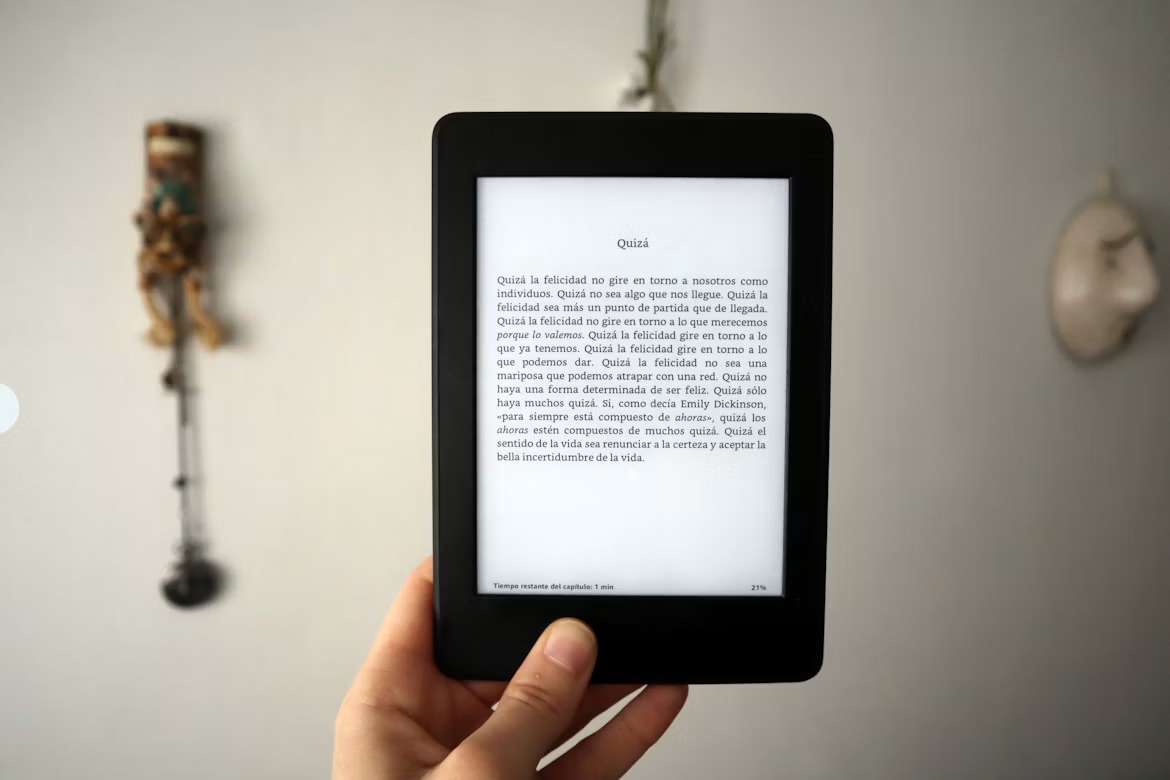
On the flip side, e-readers like the Kindle have revolutionized convenience. For the modern commuter, traveler, or minimalist, carrying an entire library in a device that weighs less than a single paperback is a game-changer.
E-books also offer practical features that physical books lack. You can instantly adjust font sizes, look up definitions with a single tap, and read in the dark without needing a bedside lamp. Moreover, e-books are often cheaper, and downloading a new release takes mere seconds.
The Verdict
Ultimately, the "better" format comes down to personal lifestyle and preference. If you value mindfulness, aesthetics, and deep focus, real books are hard to beat. But if portability, accessibility, and convenience are your top priorities, e-books reign supreme.
Why choose just one? Many modern readers proudly use both: real books for cozy weekend reading at home, and e-books for travel and daily commuting. After all, the best format is whichever one keeps you reading.