Convertible Chairs for Small Spaces: Smart Furniture for Modern Living
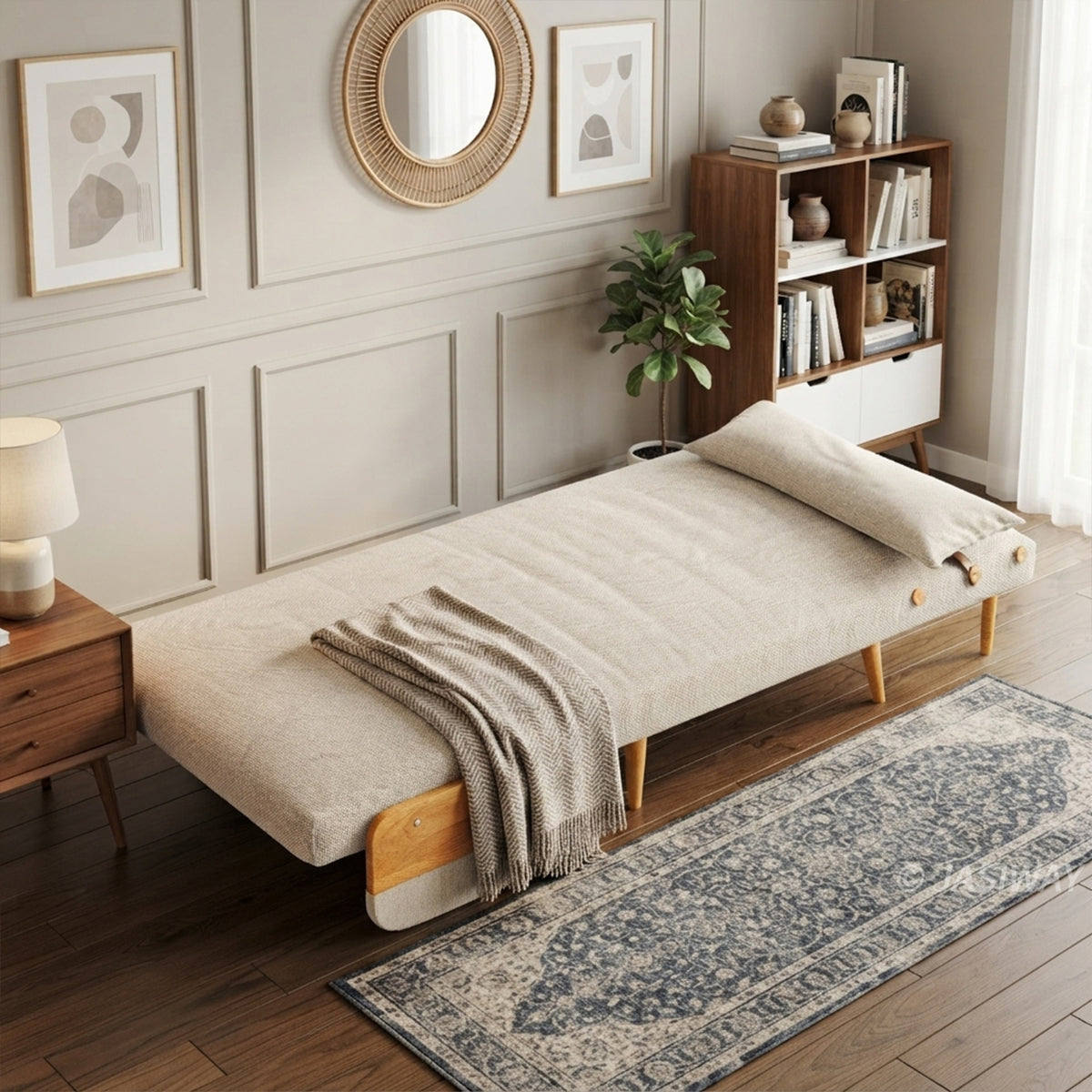
Making a small home comfortable and functional requires thoughtful furniture choices. Apartments, studio homes, and compact bedrooms often have limited floor space, making it difficult to accommodate seating, sleeping arrangements, and storage without creating clutter. Convertible furniture offers a practical solution by allowing a single item to serve multiple purposes. Convertible chairs for small spaces are especially useful because they provide everyday seating while adapting to different needs when additional space or functionality is required.
From compact living rooms to multipurpose home offices, these versatile chairs help homeowners create flexible interiors without filling every corner with bulky furniture. With the right design, even a small room can become more organized, comfortable, and visually appealing.
What Are Convertible Chairs?
Convertible chairs are furniture pieces designed to change their shape or function. Depending on the model, a chair may recline into a lounging position, unfold into a sleeping surface, or adjust to provide different seating arrangements.
Unlike conventional chairs that serve only one purpose, convertible designs support multiple activities within the same footprint. Some feature folding frames, while others use adjustable backrests, movable cushions, or extendable sections.
This versatility makes them suitable for people who want to maximize available space without compromising everyday comfort. They are particularly helpful in homes where rooms need to support several activities throughout the day.
Benefits of Convertible Chairs for Small Spaces
Make Better Use of Limited Floor Space
One of the main advantages of convertible chairs for small spaces is their ability to provide multiple functions without requiring separate furniture for each activity.
A compact chair can serve as a reading seat, a relaxing lounge, or an occasional sleeping surface, depending on its design. When its additional function is not needed, it can return to a smaller seating configuration.
This approach helps preserve open floor space, making it easier to move around and arrange other essential household items.
Create Flexible Living Areas
Small homes frequently combine different activities in the same room. A living room may also function as a home office, while a bedroom might include a study corner or a relaxation area.
Convertible furniture makes these arrangements easier to manage. A chair can provide comfortable seating during working hours and be adjusted for relaxation later in the day.
This flexibility is useful for students, remote workers, renters, and families who need rooms to adapt to changing routines.
Provide Additional Sleeping Options
Some convertible chairs transform into compact beds, making them useful for occasional overnight guests. Instead of purchasing a full-size guest bed, homeowners can choose a chair that provides seating most of the time and a sleeping surface when required.
However, not every convertible chair is designed for overnight sleeping. Buyers should check the manufacturer's specifications and confirm that the unfolded dimensions and cushioning suit their needs.
Improve Interior Appearance
Multifunctional furniture is available in a variety of contemporary styles, colors, and materials. Minimalist frames, neutral upholstery, and simple silhouettes can complement smaller interiors without overwhelming them.
Choosing a chair that matches the existing sofa, flooring, or decorative accents can create a more coordinated appearance. The result is a room that feels purposeful rather than crowded.
Understanding Multifunctional Furniture for Small Spaces
Multifunctional furniture for small spaces includes furniture designed to perform two or more useful roles. Examples include storage ottomans, extendable dining tables, sofa beds, folding desks, and chairs with adjustable or convertible features.
The main purpose is to reduce the amount of furniture required while making the available area more useful. Instead of dedicating separate floor space to every household activity, residents can select pieces that adapt as their needs change.
For example, a small apartment might include a convertible chair, a wall-mounted desk, and a storage bench. Together, these items can provide seating, workspace, organization, and occasional sleeping arrangements without requiring a large room.
The best furniture choices depend on the household's daily routine, available dimensions, and storage requirements.
Popular Types of Convertible Furniture
Convertible Sleeper Chairs
Sleeper chairs change from ordinary seating into a sleeping surface. Depending on the design, they may unfold into a flat mattress-like area or use movable cushions to create a bed.
These models are useful in studio apartments, guest rooms, and home offices where occasional sleeping space is needed. Before purchasing, check the sleeping dimensions, frame stability, and cushioning thickness.
Reclining Convertible Chairs
Reclining chairs allow users to adjust the backrest and seating position for different activities. They can provide an upright position for reading or working and a more relaxed position for watching television or resting.
Some models include extendable footrests or additional reclining positions. These features can improve comfort, although the chair may need extra clearance when fully extended.
Folding Chairs with Multiple Uses
Folding convertible chairs are designed to change position or collapse for storage. Certain models provide adjustable backrests, while others can be rearranged into different configurations.
They can be useful in small rooms where furniture must be moved regularly. Lightweight construction may also make them convenient for renters who frequently change their layouts.
Chairs with Integrated Storage
Some compact chairs include pockets or storage compartments for small household items. These features help keep books, remote controls, blankets, and other essentials organized.
Although integrated storage can be useful, buyers should ensure that the additional compartments do not make the chair excessively bulky or difficult to move.
How to Choose the Right Convertible Chair
Measure the Available Space
Before purchasing furniture, measure the area where the chair will be placed. Check its width, depth, and height in the regular seating position, then review its dimensions when fully adjusted or unfolded.
Leave enough clearance around the chair for safe movement and comfortable use. A model that fits neatly beside a wall may require considerably more room when reclined or converted into a bed.
If the chair will be delivered to an apartment, measure doorways, hallways, and staircases as well.
Consider Everyday Comfort
Comfort depends on the seat depth, backrest support, cushioning, and overall construction. A chair intended for occasional use may have different features from one designed for extended sitting.
If possible, test the chair before purchasing. Check whether the seat provides sufficient support and whether its adjustable positions feel stable.
For models that convert into beds, evaluate the sleeping surface separately rather than assuming that comfortable seating automatically means comfortable sleeping.
Examine Materials and Construction
The frame and upholstery influence durability, appearance, and maintenance. Depending on the design, frames may use metal, engineered wood, or solid wood.
Inspect hinges, adjustment mechanisms, connecting hardware, and supporting legs. These components should operate smoothly and feel secure.
For upholstery, consider how frequently the chair will be used and how easy it is to clean. Durable fabrics and removable covers may be useful in busy households.
Choose an Easy-to-Operate Mechanism
Convertible furniture should be simple to adjust. Complicated mechanisms can make it inconvenient to change the chair's position throughout the day.
Look for clear operating instructions and a design that does not require excessive force. If the chair includes folding sections or locking components, follow the manufacturer's guidance for safe use.
Match the Chair to Your Lifestyle
A chair for a student apartment may need to be lightweight and easy to move. A chair for a family living room might require durable upholstery, while a model for a home office may prioritize supportive seating.
Identifying the primary purpose before shopping can help narrow the options and prevent paying for features that will rarely be used.
Room-by-Room Ideas for Small Homes
Living Rooms
In a compact living room, a convertible chair can provide additional seating without occupying the space required by a large armchair and separate guest bed.
Place it near a wall or beside the main sofa, leaving a clear route through the room. A small side table and a floor lamp can complete the arrangement without adding unnecessary clutter.
Studio Apartments
Studio apartments combine living, sleeping, dining, and sometimes working areas in a single room. Convertible furniture helps separate these activities without requiring permanent walls or additional rooms.
A convertible chair can provide a comfortable seating area during the day and adapt to other needs when necessary. Pairing it with vertical storage and a compact table can make the overall layout more practical.
Home Offices
A home office can benefit from furniture that supports both productivity and relaxation. A convertible chair can provide a secondary seating option for reading, informal meetings, or taking breaks away from the desk.
If the model also converts into a bed, it may offer temporary accommodation for visitors. Ensure that the chair can be opened without blocking the desk, filing cabinets, or computer equipment.
Bedrooms
In smaller bedrooms, convertible chairs can create a dedicated corner for reading, relaxing, or getting dressed. Some models provide additional sleeping functionality, while others focus on reclining or adjustable seating.
Choose a size that does not interfere with wardrobe doors, drawers, or the main walking path. A compact design with coordinated upholstery can help maintain a balanced appearance.
Practical Tips for Organizing Small Spaces
Choosing the right furniture is only one part of creating a functional home. Room arrangement, storage, and lighting also influence how comfortable a small space feels.
Keep the main walking paths clear and avoid placing furniture where it blocks doors or frequently used cupboards. Use wall-mounted shelves to store books and decorative items without occupying additional floor space.
Choose furniture with simple shapes and coordinated colors to create visual consistency. Natural light, mirrors, and well-positioned lamps can also make a room feel brighter and more welcoming.
Store blankets, pillows, and other accessories in baskets or cupboards when they are not being used. This prevents clutter from accumulating around convertible furniture and makes it easier to adjust the room when necessary.
Common Mistakes to Avoid
One common mistake is selecting furniture based only on appearance. A stylish chair may not provide adequate support, especially if it will be used for long periods.
Another mistake is overlooking the space required for conversion. Always check the chair's full dimensions in every intended position.
It is also important to avoid assuming that every convertible chair can function as a bed. Review the product description carefully and confirm its intended use.
Finally, consider the complete cost, including delivery, assembly, maintenance, and warranty coverage. These factors can influence the furniture's long-term value and convenience.
Conclusion
Creating a comfortable small home requires furniture that balances functionality, design, and efficient use of space. Convertible chairs for small spaces provide flexible seating options that can adapt to different activities, making them valuable additions to apartments, bedrooms, and home offices.
More broadly, multifunctional furniture for small spaces helps homeowners reduce clutter, improve room layouts, and make limited floor areas more useful. By measuring carefully, checking construction quality, prioritizing comfort, and selecting furniture that matches everyday needs, it is possible to create a home that feels organized and welcoming without requiring more space.