Low-Cost Garden Projects That Improve Outdoor Usability
A garden should be more than an attractive view from the window. It can provide space for relaxing, entertaining guests, growing plants, and enjoying time outdoors. However, improving an outdoor area can seem expensive when landscaping projects involve new patios, large structures, or professional installation.
Fortunately, many useful garden improvements can be completed gradually and with a modest budget. The most effective projects focus on making the space easier to use while improving its appearance. Reusing suitable materials, planning carefully, and prioritizing practical changes can help homeowners achieve worthwhile results without unnecessary spending.
Start by Identifying Problems in the Garden
Before purchasing materials, spend time examining how the garden currently works. Look for areas that are difficult to walk through, sections that collect water, and spaces that are not being used effectively.
Perhaps the garden lacks comfortable seating, or the pathway becomes muddy after rainfall. You may also have an uneven section that makes mowing difficult or planting beds that are hard to maintain.
Write down the improvements that would make everyday activities easier. Separate essential repairs from decorative ideas so your budget is spent on the most useful projects first.
A simple sketch can help you plan the location of seating, pathways, planting beds, and storage areas. It also helps prevent unnecessary purchases.
Create Affordable Garden Borders
Garden borders make outdoor spaces look more organized by separating lawns, pathways, and planting areas. They can also help prevent loose soil or mulch from spreading onto paved surfaces.
Suitable reclaimed bricks, natural stones, or properly treated timber can be used for smaller decorative borders. Before reusing materials, check that they are in good condition and suitable for outdoor exposure.
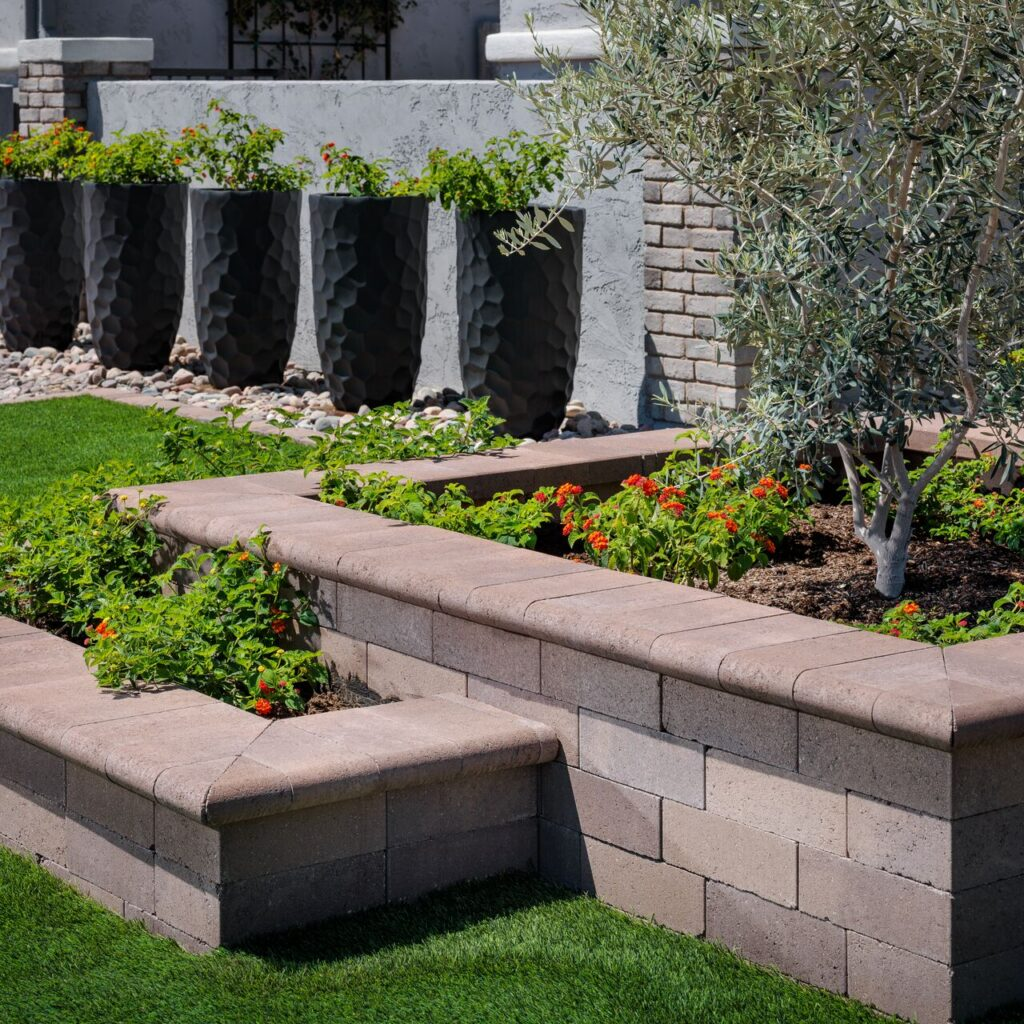
Homeowners researching cheap retaining wall ideas should first determine whether they need a simple garden edge or a structure that must hold back soil. These are different projects and require different construction approaches.
Low decorative borders may be manageable as small landscaping improvements, but retaining walls supporting significant soil pressure need appropriate design, drainage, and construction. Seek professional guidance when the slope, height, or ground conditions make the project structurally important.
Compare the full cost of materials rather than looking only at the purchase price. Base preparation, drainage, delivery, and tools may add to the final expense.
Build a Simple Outdoor Seating Area
A comfortable seating area can make a garden more useful without requiring an expensive patio. Start by identifying a level location with suitable shade and enough room for movement.
Existing furniture may only need cleaning or minor repairs. Wooden benches can be refreshed with an appropriate outdoor finish, while metal chairs may benefit from rust treatment and repainting.
If you need additional seating, consider a simple bench made from suitable outdoor materials. Make sure it is stable and strong enough for its intended use.
A small table provides somewhere to place drinks, books, or gardening supplies. Add weather-resistant cushions for comfort, and store them properly when they are not in use.
Improve Pathways With Affordable Materials
A clear pathway helps connect different parts of a garden. It can lead from the house to a seating area, shed, vegetable bed, or outdoor washing space.
Gravel, stepping stones, reclaimed paving, and suitable bricks can all provide practical pathway options. Choose materials according to the amount of foot traffic and the condition of the ground.
Prepare the base before installing the surface. Poor preparation can cause paving stones to shift or gravel to spread unevenly. Make sure the pathway has suitable drainage and does not direct water toward the house.
For a small garden, a simple route may be sufficient. You do not need to pave every section to make the space easier to navigate.
Make Better Use of Vertical Space
When floor space is limited, vertical gardening can provide additional planting opportunities. Wall-mounted planters, suitable hanging containers, and freestanding plant supports can help organize flowers and herbs.
Choose secure mounting systems and check that walls can support the weight of containers when filled with wet soil. Position plants according to their sunlight and watering needs.
Climbing plants may soften fences and create a greener appearance, but they should be selected carefully. Some varieties grow quickly and require regular pruning.
Vertical storage can also improve garden organization. Wall hooks may hold lightweight tools, while a small storage rack can keep frequently used supplies in one place.
Refresh Existing Planting Areas
You do not need to replace every plant to improve a garden. Removing weeds, trimming damaged growth, and adding suitable mulch can make existing beds look much better.
Divide suitable perennial plants when they become crowded. This can provide additional plants for other parts of the garden without purchasing new specimens.
Choose new plants according to local weather, sunlight, and soil conditions. Native varieties may be easier to maintain because they are adapted to the local environment.
Group plants with similar watering needs together. This makes irrigation simpler and can help avoid wasting water.
Add Lighting for Evening Use
Outdoor lighting makes a garden more practical after sunset. Solar pathway lights, weather-rated wall fixtures, and suitable decorative lighting can improve visibility and create a pleasant atmosphere.
Begin with important areas such as steps, entrances, and frequently used paths. Additional lights can be placed near seating or selected planting features.
Avoid excessive brightness and ensure fixtures are suitable for outdoor conditions. Electrical installations should follow local safety requirements.
Organize Garden Tools and Equipment
A cluttered garden can become difficult to maintain. Keep tools, hoses, and supplies in designated storage areas to prevent them from occupying pathways and seating spaces.
A small weather-resistant storage box may be enough for basic equipment. Hooks and shelves can help organize lightweight tools, provided they are installed securely.
Return equipment to its place after use. This simple habit keeps the garden tidy and makes routine tasks easier.
Complete Improvements Gradually
You do not have to finish every project in one weekend. Start with repairs and access improvements, then add seating, planting, lighting, and decorative details as your budget allows.
Compare material prices, reuse suitable items, and avoid buying products before measuring the available space.
Make Your Garden More Useful Every Day
An enjoyable garden is one that supports the activities you want to do outdoors. Affordable borders, comfortable seating, clear pathways, organized storage, and suitable plants can improve both appearance and functionality.
Focus on practical needs first and make changes gradually. With a little planning and regular care, even a modest outdoor space can become a comfortable and useful part of your home.