The Art of Cheesemaking and Its Cultural Variations
Cheesemaking is a mesmerizing intersection of science, patience, and culinary art. Dating back over 4,000 years, this ancient practice was originally born out of necessity—a clever way to preserve perishable milk. Today, artisan cheesemaking stands as a celebrated global craft, with every culture imparting its own distinct traditions, flavors, and techniques onto a simple base of milk, cultures, rennet, and salt.
At its core, the art of cheesemaking relies on transformation. By manipulating temperature, moisture, and aging time, cheesemakers can turn liquid milk into a staggering array of textures and flavors. Yet, what makes cheese truly fascinating is how geography and culture dictate its evolution.
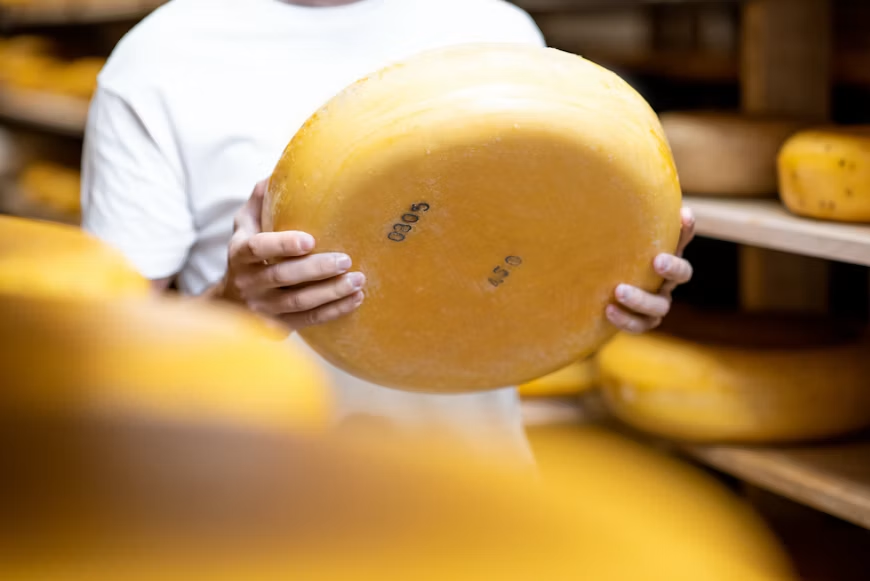
In France, the concept of terroir reigns supreme. French cheesemakers believe that the pasture, climate, and herbs cows, goats, and sheep graze upon directly shape the flavor of the cheese. This philosophy yields creamy, pungent Camemberts and nutty, aged Comtes that reflect the very soul of the French countryside.
Meanwhile, across the Mediterranean, Italy’s cheesemaking tradition leans into elasticity and freshness. From the milky, delicate perfection of fresh Mozzarella to the bold, savory punch of aged Parmigiano-Reggiano, Italian cheeses often tell a story of regional dedication—whether it’s water buffalo milk in Campania or alpine pastures in the north.
Further east, countries like Greece celebrate the bright, briny notes of Feta, aged in wooden barrels or brine to withstand warmer climates. In the Netherlands, massive wheels of Gouda are crafted for longevity and deep, caramel-like complexity.
Ultimately, cheese is a universal language spoken in deliciously different dialects. Whether it is a mold-ripened blue from the caves of Roquefort or a spicy paneer from South Asia, every wheel of cheese is a edible passport. It connects us to history, agriculture, and the global human tradition of turning basic ingredients into culinary masterpieces.