The Effects of Climate Change on Polar Bears: A Race Against Time
For generations, the majestic polar bear has reigned as the undisputed king of the Arctic. However, as global temperatures rise, this iconic species faces an unprecedented threat. The discussion surrounding climate change and polar bears is no longer a distant concern for the future—it is a critical, unfolding crisis happening right now.
At the heart of the issue is melting Arctic ice. Polar bears (Ursus maritimus) are classified as marine mammals because they spend most of their lives on the frozen ocean surface. They rely on sea ice as a vital platform for hunting their primary prey: ringed and bearded seals. Unfortunately, rapid sea ice loss is fundamentally altering their environment.
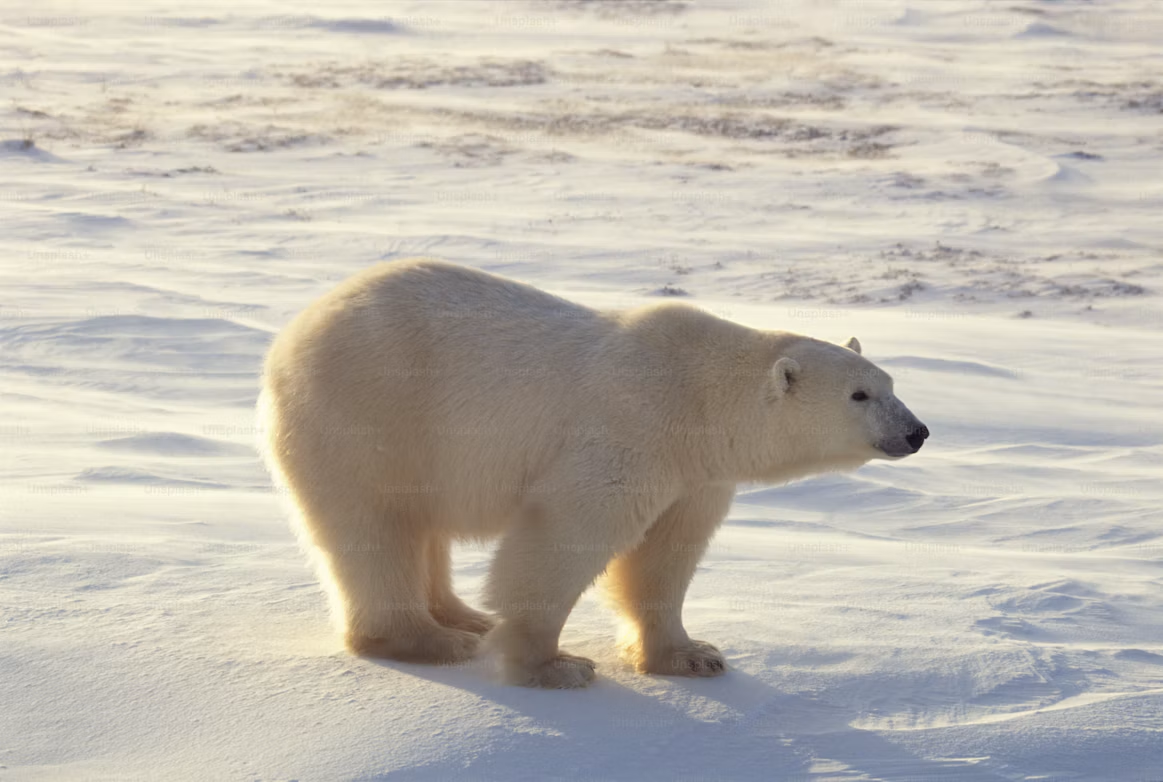
A Shrinking Habitat and Starvation
As spring arrives earlier and autumn freezes come later, the ice-free season grows longer each year. This prolonged absence of ice forces polar bears ashore, where food is scarce. During these fasts, bears must rely entirely on stored body fat, leading to severe malnutrition.
Furthermore, the destruction of the polar bear habitat impacts reproduction rates. Malnourished females give birth to smaller cubs with lower survival rates. Mother bears struggle to produce enough milk, and swim distances between fragmented ice floes have become lethally long, leading to drownings among exhausted animals.
The Ripple Effect on Arctic Wildlife
The decline of polar bears is a stark warning for the entire global ecosystem. As top predators, they maintain the balance of Arctic wildlife. Their disappearance would trigger cascading effects throughout the marine food web.
Saving polar bears requires urgent, collective global action to curb greenhouse gas emissions and stabilize global temperatures. Without a swift transition to renewable energy and robust climate policies, we risk losing one of the planet’s most resilient species to a warming world. Time is running out for the Arctic, and the clock is ticking for the polar bear.