Commercial Kitchen Cleaning Sydney: A Complete Guide to Maintaining a Safe, Hygienic and Professional Kitchen
A clean commercial kitchen is essential for every successful food business. Whether you operate a busy restaurant, café, hotel, catering company, or takeaway outlet, maintaining high standards of cleanliness helps protect customers, support employees, and create an efficient working environment.
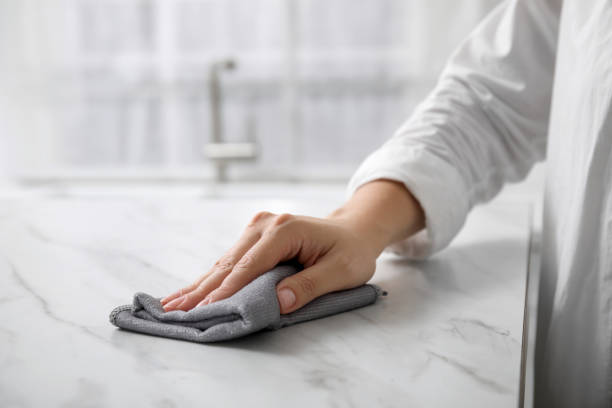
Commercial kitchens face unique cleaning challenges. Grease accumulates around cooking equipment, food residues collect beneath appliances, and high-traffic floors become slippery from constant use. Without proper cleaning and maintenance, these problems can affect workplace safety, food hygiene, and daily operations.
Professional Commercial Kitchen Cleaning Sydney services help hospitality businesses manage these challenges through specialised degreasing, equipment cleaning, surface sanitisation, and scheduled deep cleaning.
In this guide, we explore the importance of commercial kitchen cleaning, the areas that require professional attention, effective cleaning procedures, and how Sydney businesses can maintain cleaner and more hygienic food preparation environments.
Why Commercial Kitchen Cleaning Is Essential for Sydney Businesses
A commercial kitchen operates under demanding conditions. Cooking equipment runs for extended periods, employees constantly handle food, and grease and moisture accumulate on surrounding surfaces.
Although daily cleaning is important, routine wiping and mopping may not remove stubborn grease deposits, hidden contamination, or dirt trapped in difficult-to-reach areas.
Professional commercial kitchen cleaning provides several important benefits.
1. Supports Food Safety and Hygiene
Food preparation areas must be maintained in a clean and sanitary condition to help minimise contamination risks.
Food particles, grease, and moisture can accumulate on countertops, equipment, sinks, storage shelves, and surrounding surfaces. If these areas are not cleaned effectively, they may create conditions that encourage microbial growth.
A structured cleaning programme helps maintain hygienic surfaces and supports a business's food safety procedures.
2. Reduces Grease Accumulation and Fire Hazards
Grease is one of the most persistent challenges in commercial kitchens.
Cooking oils and airborne grease particles can settle on exhaust hoods, rangehood filters, splashbacks, walls, and appliances. Over time, accumulated grease becomes more difficult to remove and can contribute to fire hazards, particularly around hot cooking equipment and extraction systems.
Regular degreasing and appropriate specialist maintenance help reduce these risks.
3. Improves Workplace Safety
Commercial kitchen employees frequently move between cooking stations, preparation benches, refrigeration areas, and washing facilities.
Greasy floors, spilled liquids, and obstructed walkways increase the risk of slips, trips, and falls.
Professional floor cleaning and routine housekeeping can help maintain safer working conditions.
4. Protects Kitchen Equipment
Commercial cooking equipment is a significant investment.
Ovens, fryers, grills, stovetops, and refrigerators require appropriate cleaning to maintain hygienic operating conditions.
Removing grease and food residue can also make it easier to identify equipment defects and maintenance issues before they become more serious.
- Creates a More Professional Working Environment
A clean and organised kitchen supports staff efficiency and demonstrates a commitment to responsible food preparation.
It can also improve confidence during management inspections, landlord reviews, and routine hygiene assessments.
What Is Included in Professional Commercial Kitchen Cleaning?
Professional kitchen cleaning extends beyond ordinary surface wiping. It involves detailed attention to cooking equipment, food preparation areas, ventilation components, floors, storage spaces, and waste management zones.
The exact scope depends on the kitchen's size, equipment, condition, and operational requirements.
Commercial Kitchen Deep Cleaning
Commercial kitchen deep cleaning addresses grease, grime, and food residue that accumulate during everyday operations.
Common cleaning tasks include:
Degreasing cooking areas and surrounding surfaces.
Cleaning stainless steel benches and splashbacks.
Removing residue from walls, tiles, doors, and accessible fixtures.
Cleaning beneath and around movable kitchen equipment.
Scrubbing kitchen floors, edges, and grout.
Cleaning sinks, preparation areas, and designated storage surfaces.
Deep cleaning is particularly valuable for restaurants and catering facilities with high cooking volumes.
Commercial Kitchen Equipment Cleaning
Cooking appliances frequently experience direct exposure to heat, oil, food particles, and heavy daily use.
Professional equipment cleaning may include ovens, commercial fryers, grills, hotplates, stovetops, rangehood exteriors, and other appliances.
Cleaning methods must be suitable for the equipment and follow manufacturer instructions, including appropriate cooling, isolation, and chemical-handling procedures.
Regular appliance cleaning supports hygiene, helps control accumulated residue, and contributes to a better-maintained kitchen.
Kitchen Exhaust and Canopy Cleaning
Commercial kitchen extraction systems help remove airborne grease, smoke, steam, and cooking odours.
However, grease can gradually accumulate on canopies, filters, fans, and ductwork.
Specialist exhaust cleaning may be required to address deposits in accessible and internal components. This work should be performed by appropriately trained personnel with the equipment and access needed for the system.
Regular inspection and maintenance are important components of kitchen fire-risk management.
Food Preparation Surface Cleaning
Food preparation benches, countertops, sinks, and utensils require particular attention because they may come into direct contact with food.
Effective hygiene procedures generally involve removing visible dirt, washing with an appropriate detergent, rinsing where required, and applying a suitable sanitising process.
Food-contact surfaces should be treated according to food safety guidance and the manufacturer's directions for the cleaning or sanitising product.
Commercial Kitchen Floor Cleaning
Kitchen floors collect oil, grease, water, food waste, and cleaning residues.
Over time, soil can become embedded in grout, corners, joints, and areas beneath cooking equipment.
Professional floor cleaning may involve suitable degreasing products, scrubbing equipment, targeted steam cleaning, and careful removal of loosened residue.
The cleaning method should be compatible with the flooring material and appropriate for the working environment.
Cold Room and Storage Area Cleaning
Refrigeration and storage spaces can accumulate spills, condensation, food packaging debris, and dirt.
Frequently overlooked areas include shelving joints, refrigeration seals, corners, storage racks, and floor edges.
Cleaning these spaces supports better housekeeping and helps reduce contamination risks around stored ingredients.
How Often Should a Commercial Kitchen Be Deep Cleaned?
There is no single cleaning schedule suitable for every commercial kitchen.
The frequency of cleaning depends on the type of food prepared, cooking volume, equipment usage, existing grease levels, and relevant food safety and maintenance requirements.
A practical cleaning programme may include:
Frequency
Typical Cleaning Activities
Daily
Food-contact surfaces, cooking areas, sinks, floors, and waste removal
Weekly
Detailed equipment exteriors, shelving, hard-to-reach edges, and targeted degreasing
Monthly
Additional attention to heavy-use equipment, grease-prone surfaces, and selected deep-cleaning tasks
Periodically
Specialist exhaust cleaning, comprehensive deep cleaning, and maintenance assessments based on risk and usage
These intervals are illustrative rather than universal requirements. High-volume restaurants and kitchens using substantial quantities of oil may need more frequent attention.
Why Professional Kitchen Cleaning Services Are Worth Considering
Kitchen staff play a central role in daily cleaning and sanitisation. However, some cleaning tasks require specialist tools, additional time, or experience dealing with stubborn contamination.
Professional commercial kitchen cleaners can complement a venue's internal cleaning programme by providing:
Specialised grease removal: Suitable degreasing products and equipment can address stubborn deposits on compatible surfaces.
Structured cleaning procedures: Zone-based cleaning plans help ensure that agreed areas receive consistent attention.
Flexible scheduling: Deep cleaning can be arranged around trading hours, reducing interruptions to food preparation and service.
Improved cleaning documentation: Checklists, inspection records, and photographs can help managers review completed work.
Tailored maintenance support: Cleaning frequencies and service scopes can be adjusted to suit different kitchen environments.
Professional cleaning does not replace a food business's responsibility to maintain ongoing hygiene, safe food handling, or necessary equipment maintenance.
Commercial Kitchen Cleaning for Different Sydney Industries
Commercial kitchens vary considerably depending on their operations.
Restaurants and Fine Dining Venues
Restaurants frequently operate multiple cooking stations, including grills, ovens, fryers, and preparation benches.
These environments benefit from regular degreasing, detailed cooking equipment cleaning, and scheduled maintenance of grease-prone areas.
Cafés and Coffee Shops
Cafés often have compact preparation spaces with limited room around appliances, sinks, and counters.
Cleaning attention should focus on food preparation areas, small cooking equipment, floor edges, splashbacks, and high-touch surfaces.
Hotels, Pubs and Clubs
Large hospitality venues may prepare substantial quantities of food throughout the day and during events.
Their cleaning programmes often require careful scheduling around breakfast, lunch, dinner, functions, and overnight operations.
Catering and Food Production Facilities
Catering kitchens frequently handle large volumes of ingredients and finished meals.
Effective cleaning procedures are especially important for preparation benches, storage areas, equipment, and food-contact surfaces.
Schools, Hospitals and Aged Care Facilities
Institutional kitchens require structured cleaning programmes that account for food safety, operational continuity, and the needs of the people they serve.
Cleaning plans should align with each facility's relevant hygiene requirements and operational policies.
How to Choose a Commercial Kitchen Cleaning Company in Sydney
Selecting a professional cleaning provider involves more than comparing prices.
Before engaging a contractor, consider the following factors.
Relevant Commercial Kitchen Experience
Choose a provider familiar with food-service environments, grease removal, cooking equipment, and the practical challenges of working around commercial kitchens.
Clearly Defined Services
Request a written cleaning scope that identifies which appliances, surfaces, floors, ventilation components, and storage areas will be included.
Confirm whether specialist tasks such as internal duct cleaning or grease-trap servicing are included or require separate arrangements.
Suitable Equipment and Cleaning Products
Cleaning products should be appropriate for the relevant surfaces and intended applications.
Food-contact areas require particular attention to product instructions, rinsing, and sanitisation procedures.
Insurance and Workplace Safety
Verify the contractor's insurance arrangements, workplace safety procedures, and relevant training for specialised work.
Flexible Cleaning Schedules
Many Sydney hospitality businesses prefer cleaning outside their busiest service periods.
A provider offering early-morning, overnight, or weekend appointments may be better suited to businesses operating extended hours.
Transparent Quotations
A clear quotation should explain the scope of work, scheduling requirements, equipment access, exclusions, and any additional charges.
Westlink Commercial Cleaning: Supporting Sydney's Commercial Kitchens
For hospitality businesses looking for professional commercial kitchen cleaning services in Sydney, Westlink Commercial Cleaning provides tailored cleaning solutions for a broad range of food-service environments.
The company offers cleaning services for restaurants, cafés, hotels, pubs, clubs, catering kitchens, and other commercial premises throughout Sydney.
Its commercial kitchen cleaning services address areas such as:
Commercial kitchen deep cleaning and degreasing.
Ovens, fryers, grills, and other cooking equipment.
Exhaust hoods, canopies, and ventilation components.
Food preparation benches and washing areas.
Kitchen floors, tiles, grout, and drains.
Cold rooms, refrigeration areas, and storage spaces.
Waste handling and other grease-prone zones.
Westlink Commercial Cleaning also offers flexible scheduling, including after-hours cleaning arrangements, to help minimise disruption to trading operations.
Cleaning plans can be tailored according to the kitchen's layout, grease accumulation, equipment, and required frequency of service.
Businesses can explore its professional commercial kitchen cleaning services in Sydney to learn more about available cleaning options and request a quotation.
Practical Tips for Maintaining a Cleaner Commercial Kitchen
Professional deep cleaning is most effective when combined with consistent daily cleaning practices.
Kitchen managers can improve housekeeping by establishing a written cleaning schedule that identifies responsible team members, cleaning frequencies, and the methods required for different surfaces.
Employees should promptly remove food spills, clean cooking equipment when safe to do so, and keep preparation areas free from unnecessary clutter.
Cleaning tools should be stored appropriately, and food-contact sanitisation procedures should be followed consistently.
Management should also inspect areas that receive less frequent attention, including behind appliances, beneath shelving, around floor drains, and near grease-prone cooking stations.
Regular reviews of the cleaning programme can help identify recurring problems and determine whether additional professional cleaning is needed.
Frequently Asked Questions
What is commercial kitchen cleaning?
Commercial kitchen cleaning involves cleaning and, where appropriate, sanitising the equipment, surfaces, floors, storage spaces, and other areas used in professional food preparation environments.
Why is commercial kitchen deep cleaning important?
Deep cleaning helps remove persistent grease, dirt, and residue that routine cleaning may not adequately address. It supports kitchen hygiene, workplace safety, and ongoing maintenance.
How much does commercial kitchen cleaning cost in Sydney?
Pricing depends on the kitchen's size, condition, equipment, grease accumulation, access requirements, and cleaning frequency. A site-specific quotation provides a more accurate estimate than a general price.
Can commercial kitchen cleaning be completed after business hours?
Many professional cleaning companies offer overnight, early-morning, or weekend appointments to accommodate hospitality businesses.
Does commercial kitchen cleaning include exhaust systems?
Some commercial kitchen cleaning services include exhaust hoods, canopies, filters, and selected ventilation components. Internal ductwork and specialist extraction-system cleaning should be explicitly confirmed in the quotation.
Can regular professional cleaning help with food safety inspections?
Professional cleaning can support good housekeeping and documented hygiene procedures. However, passing a food safety inspection depends on the business meeting all applicable requirements, not simply engaging a cleaning contractor.
Final Thoughts
Maintaining a clean commercial kitchen requires consistent daily attention, appropriate cleaning procedures, and periodic deep cleaning of high-use areas.
From restaurant cooklines and food preparation benches to greasy floors, appliances, and extraction systems, every part of a commercial kitchen contributes to its overall hygiene and operational condition.
For Sydney restaurants, cafés, hotels, and catering businesses, investing in suitable commercial kitchen cleaning services can help control grease accumulation, improve housekeeping, and maintain a more professional working environment.
If your business requires specialist cleaning support, visit Westlink Commercial Cleaning Sydney to explore service options and request a tailored quote.