Acid and Alkali Resistant Conveyor Belt: A Complete Industrial Guide
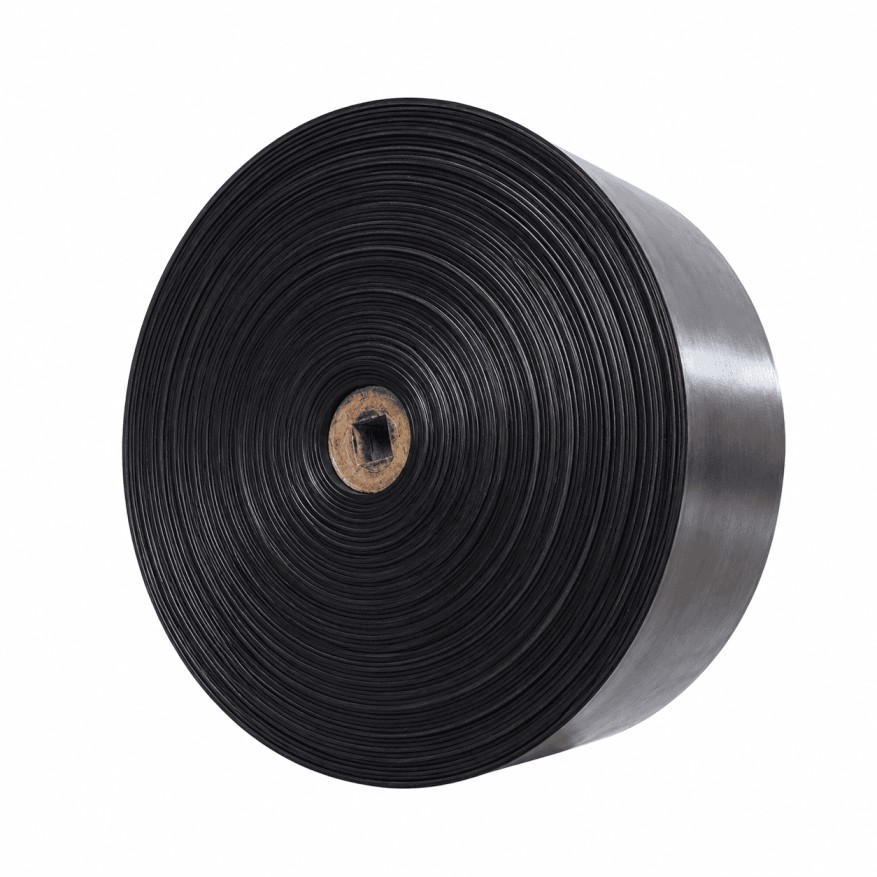
Industries that handle corrosive chemicals need conveyor systems that can withstand demanding operating conditions. An Acid and Alkali Resistant Conveyor Belt is specially designed with chemical-resistant rubber compounds to transport materials that may attack or deteriorate conventional conveyor belts. These belts are commonly used in chemical plants, fertilizer manufacturing, paper mills, mining, cement, and other process industries.
Unlike a standard belt, an acid and alkali resistant belt is engineered to reduce damage caused by chemical exposure while maintaining flexibility, strength, and reliable material handling performance.
What Is anAcid and Alkali Resistant Conveyor Belt?
An Acid and Alkali Resistant Conveyor Belt is a type of Rubber Conveyor Belt manufactured with specially formulated cover rubber and suitable reinforcement layers. The rubber cover is designed to resist chemical attack, swelling, cracking, and deterioration when conveying compatible acidic or alkaline materials.
The exact resistance depends on the chemical, concentration, temperature, exposure time, and belt compound. Therefore, belt selection should always be based on the actual material being conveyed rather than simply choosing a belt described as “chemical resistant.”
Key Features of Acid and Alkali Resistant Conveyor Belt
A properly selected chemical-resistant conveyor belt can provide several important advantages:
Resistance to chemical corrosion: Helps protect the belt from compatible acidic and alkaline materials.
Durable rubber cover: Special rubber compounds help reduce surface deterioration.
Good flexibility: Allows the belt to operate smoothly around pulleys and through conveyor loading zones.
Strong adhesion: Proper bonding between cover and carcass helps reduce the possibility of layer separation.
Reliable material handling: Suitable for continuous industrial conveying when correctly specified.
Multiple construction options: Reinforcement can be selected according to belt width, load, tension, and application requirements.
Chemical-resistant belts are available with different reinforcement structures, including EP and nylon-based constructions, depending on the required mechanical performance.
Applications of Acid and Alkali Resistant Conveyor Belts
These belts are particularly useful where conveyed materials can chemically attack ordinary rubber belts.
Chemical Industry
Chemical processing plants may handle corrosive powders, granules, salts, and other materials. A chemical-resistant belt can help provide more dependable conveying in these environments.
Fertilizer Industry
Fertilizer manufacturing and handling can involve chemically aggressive materials. Acid and alkali resistant belts are therefore used in suitable fertilizer conveying applications.
Paper Mills
Paper manufacturing facilities can have chemical-containing materials and process residues. Correctly specified chemical-resistant belting can provide protection against compatible chemical exposure.
Mining and Mineral Processing
Certain mining operations involve acidic ores, alkaline materials, or chemical processing stages. Belt selection should consider both chemical exposure and the abrasion characteristics of the material.
Cement and Related Industries
Cement and mineral-processing environments can expose belts to abrasive and chemically aggressive materials. The belt should be selected according to the combination of abrasion, chemical exposure, temperature, and load.
Acid and Alkali Resistant Belt vs Standard Rubber Conveyor Belt
A standard Rubber Conveyor Belt is suitable for many general material-handling applications, but it may not provide adequate resistance against specific corrosive chemicals.
An acid and alkali resistant belt uses a specially formulated cover compound intended for chemical exposure. This can help reduce swelling, cracking, deterioration, and premature belt failure when the belt is compatible with the chemicals involved.
The important point is that chemical resistance is application-specific. For example, resistance to one acid does not automatically mean the belt is suitable for every chemical, concentration, or operating temperature.
How to Select the Right Belt
Before purchasing an Acid and Alkali Resistant Conveyor Belt, consider:
Chemical type – Identify the exact acid, alkali, salt, solvent, or chemical mixture.
Chemical concentration – Concentration can significantly affect rubber compatibility.
Operating temperature – Chemical resistance can change as temperature increases.
Material characteristics – Consider particle size, abrasiveness, moisture, and material temperature.
Belt width and length – Select dimensions according to conveyor design and capacity.
Tensile strength and carcass – The reinforcement must withstand the required operating tension.
Cover thickness – Select suitable cover thickness according to wear and chemical exposure.
Pulley and troughing requirements – The belt construction should be compatible with the conveyor arrangement.
A reliable Conveyor Supplier in India should be able to evaluate these factors before recommending the appropriate belt construction.
Why Choose the Right Conveyor Supplier in India?
Selecting the right supplier is important for applications where belt failure can cause production interruptions. An experienced Belt Conveyor Manufacturer can help with belt selection, specifications, installation requirements, jointing, and application-specific recommendations.
For industrial buyers, it is useful to evaluate:
Manufacturing experience
Product range
Quality-control practices
Custom belt specifications
Technical support
Delivery capability
After-sales service
Experience with chemical and heavy-duty applications
SHR Conveyor Belt for Demanding Applications
The SHR Conveyor Belt can be considered when a project requires a specialized belt construction rather than a general-purpose conveyor belt. However, the correct specification should always be selected according to the conveyed material, operating environment, temperature, chemical exposure, and mechanical load.
For corrosive applications, buyers should provide the supplier with complete chemical details before finalizing the belt. This helps avoid selecting a belt based only on a generic “acid resistant” or “alkali resistant” label.
Conclusion
An Acid and Alkali Resistant Conveyor Belt is an important material-handling solution for industries dealing with chemically aggressive materials. Its specially formulated rubber cover and suitable reinforcement can provide better protection than a conventional belt when the belt compound is properly matched to the application.
Whether you are looking for a Rubber Conveyor Belt, specialized chemical-resistant belting, an SHR Conveyor Belt, or complete conveying equipment, working with an experienced Conveyor Supplier in India and Belt Conveyor Manufacturer can help ensure the belt is selected according to actual operating conditions.
The right combination of chemical compatibility, tensile strength, cover thickness, abrasion resistance, temperature capability, and conveyor design is essential for achieving dependable belt performance and longer service life.