The History and Influence of French Cuisine on Western Cooking
When thinking about fine dining and culinary arts, France is the undisputed epicenter. But how did French cuisine become the gold standard of Western cooking? Its history is a rich tapestry of innovation, royal indulgence, and technical precision that continues to shape modern gastronomy.
The Foundations: From Medieval Feasts to La Varenne
The roots of French cuisine date back to the Middle Ages, characterized by heavily spiced, communal feasts. However, the true transformation began in the 16th and 17th centuries. When Catherine de’ Medici moved from Italy to marry the future King of France, she brought Italian chefs, ingredients, and dining etiquette with her, forever altering the French palate.
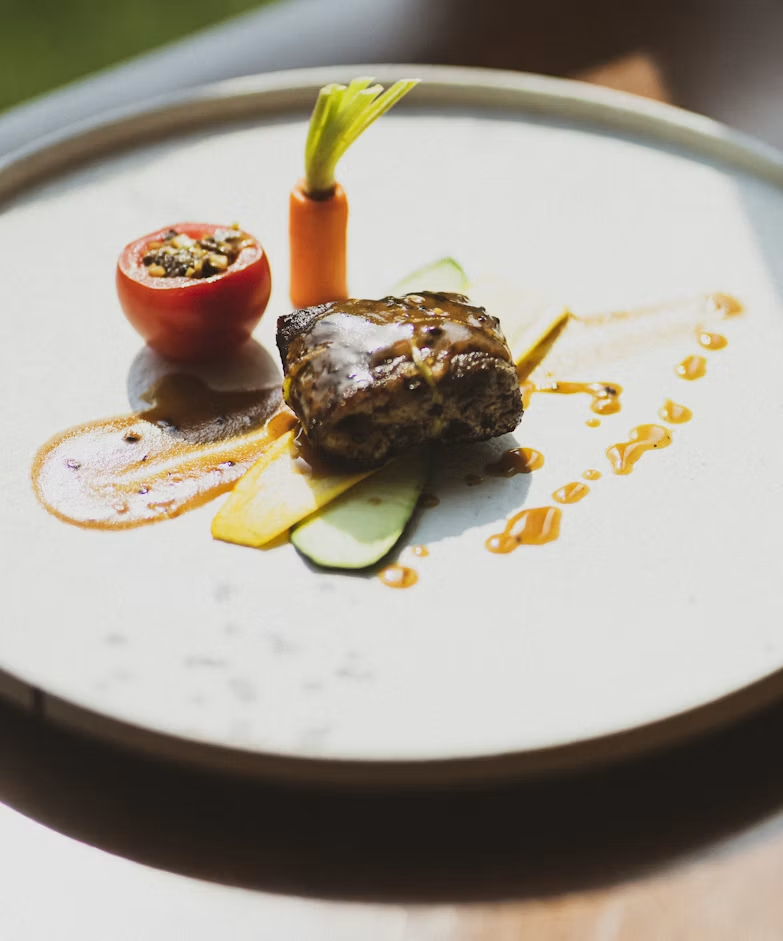
By the mid-17th century, chef François Pierre La Varenne marked the birth of modern French cuisine. In his seminal book, Le Cuisinier François, he rejected heavy medieval spices in favor of native herbs, reduced stocks, and natural flavors.
The Rise of Haute Cuisine and Auguste Escoffier
The French Revolution was a turning point. As aristocrats lost their estates, their private chefs opened restaurants for the public, democratizing gourmet food.
In the late 19th and early 20th centuries, Georges Auguste Escoffier revolutionized the culinary world. Known as the "chef of kings and king of chefs," Escoffier simplified the overly complex historical menus and modernized cooking methods.
He introduced the brigade de cuisine—the hierarchical kitchen system still used today—and codified the "five mother sauces" (Béchamel, Velouté, Espagnole, Sauce Tomate, and Hollandaise), which remain the backbone of Western culinary education.
Global Influence Today
Today, the influence of French cooking is everywhere. From culinary terminology (sauté, julienne, sous-vide) to professional kitchen organization, almost every Western chef relies on French techniques. In 2010, UNESCO recognized the "gastronomic meal of the French" as an Intangible Cultural Heritage of Humanity, cementing its status as a global art form.
Ultimately, French cuisine taught the Western world that cooking is not merely about sustenance, but about technique, passion, and the joy of shared experience.