AI and Creativity: Can Robots Be Artists?
For centuries, creativity was considered the ultimate bastion of human exceptionalism. We believed that composing a symphony, painting a masterpiece, or writing a poignant novel required a beating heart, lived experience, and a soul.
Today, that worldview is being challenged by artificial intelligence. From Midjourney generating breathtaking visual art to advanced algorithms composing poetry, the question is no longer if AI can create, but whether we can call it art.
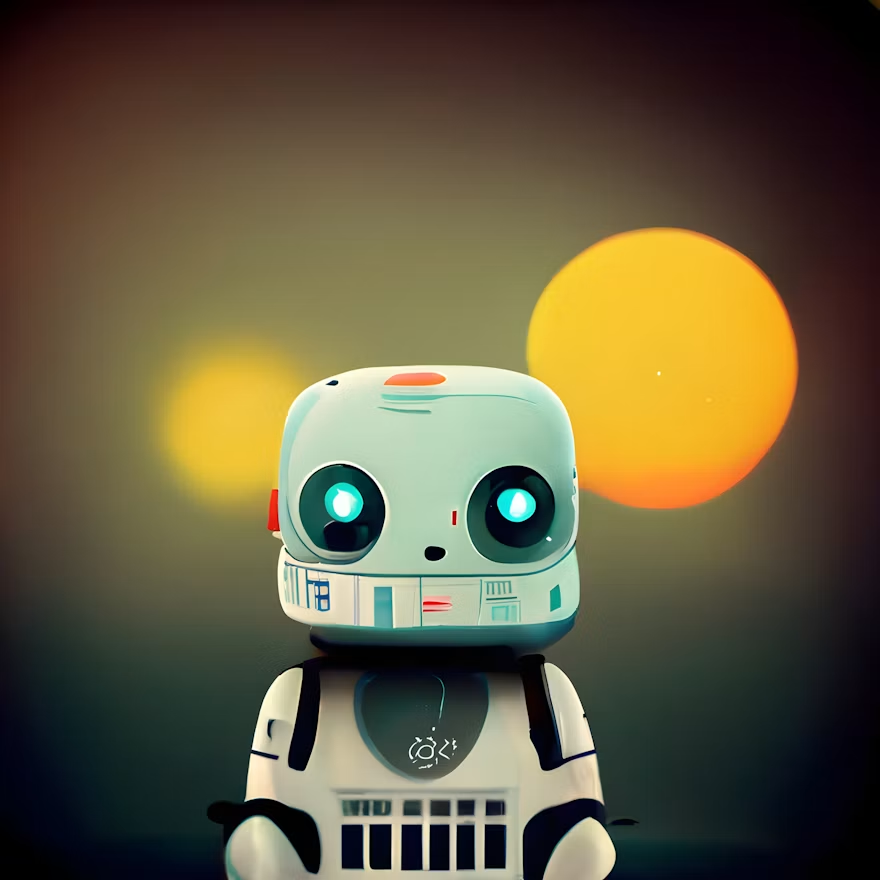
To answer this, we must first define creativity. If it is merely the recombination of existing patterns, then AI is a master artist. Trained on vast datasets of human history, neural networks can analyze the brushstrokes of Rembrandt or the lyrical structures of Taylor Swift, synthesizing new works in seconds.
Critics argue this is just high-level mimicry—a remix without consciousness or intent. A machine does not feel the heartbreak that inspired a sad song; it merely predicts the next most logical note.
However, art has always been defined by the viewer's emotional response. When a generative algorithm produces an image that moves you to tears, does the machine's lack of a soul invalidate your experience?
Many contemporary digital artists are embracing AI not as a replacement, but as a dynamic collaborator. They act as directors, guiding the algorithm through endless iterations to unearth novel aesthetic territories.
Ultimately, robots may not be "artists" in the traditional sense—they lack agency, emotion, and lived reality. Yet, they are undeniably powerful creative catalysts.
AI forces us to redefine the boundaries of imagination, proving that art is not solely about who makes it, but the dialogue it sparks within us. As technology continues to evolve, the future of creativity isn’t human versus machine, but a fascinating new canvas of human plus machine.