AI Market Correction Fuels Broader Recessionary Concerns
The recent, pronounced sell-off across the artificial intelligence sector has injected a new layer of uncertainty into global financial markets, intensifying discussions surrounding potential economic downturns. For years, AI stood as a beacon of innovation and seemingly limitless growth, attracting substantial investment and driving valuations to unprecedented levels. This market correction signifies a crucial re-evaluation of those expectations, particularly for companies operating on high-growth, yet often unprofitable, models.
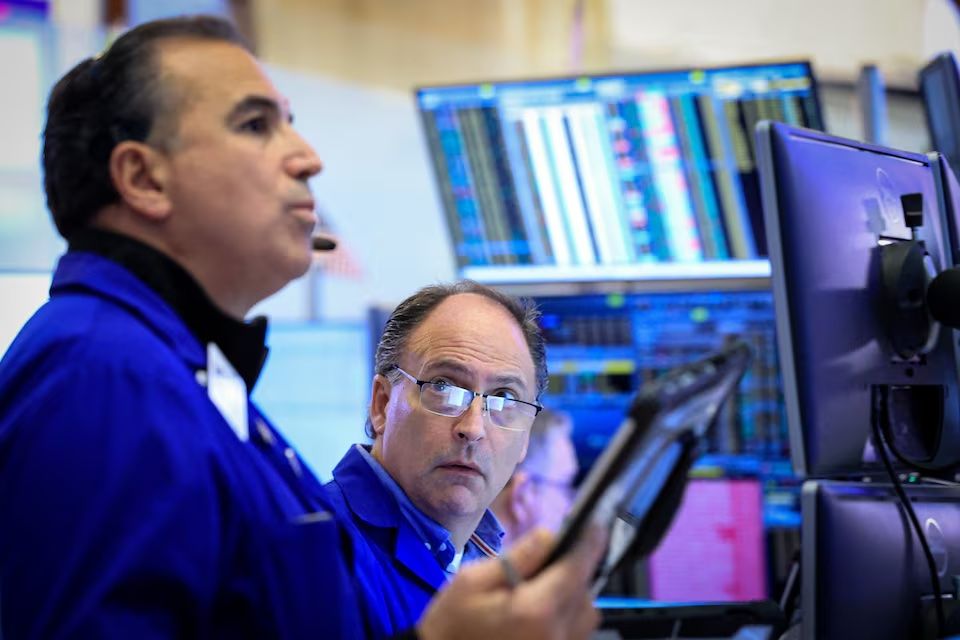
Source: www.thestar.com.my
This adjustment in investor sentiment reflects a broader macroeconomic shift from a period of abundant cheap capital to one of increasing interest rates and tighter liquidity. The enthusiasm for AI, fueled by breakthroughs in large language models and generative capabilities, perhaps outpaced the underlying commercial realities for many entrants. Venture capital firms and public market investors are now prioritizing companies with clear paths to profitability and robust revenue streams, rather than solely focusing on technological promise or user growth at any cost. This scrutiny particularly impacts firms whose value propositions remain speculative or heavily reliant on future, unproven market adoption.
For the technology industry, this correction translates into a renewed emphasis on fundamentals. Enterprises investing in AI solutions are becoming more discerning, demanding tangible return on investment and demonstrable efficiency gains. The focus is shifting from simply integrating AI for novelty to implementing it for measurable business impact, such as optimizing supply chains, enhancing customer service, or accelerating research and development. This environment favors established players and startups with mature products, strong intellectual property, and diversified client bases over those still in nascent development stages.
The broader economic implications are also significant. A cooling in a sector as central to modern innovation as AI could ripple through various industries. Reduced investment might slow the pace of certain advancements, particularly those requiring heavy capital expenditure in R&D or advanced computing infrastructure. Furthermore, as companies trim their investment portfolios and consolidate their AI strategies, the employment landscape within the tech sector could experience further adjustments. While the long-term trajectory of AI innovation remains upward, this market recalibration underscores the cyclical nature of even the most revolutionary technologies. It reinforces the market's demand for sustainable growth backed by strong financial performance, rather than solely by speculative potential.
Inspired by: https://www.thestar.com.my/business/insight/2026/11/04/brutal-artificial-intelligence-sell-off-stirs-recession-fears
El dato concreto del gráfico que muestra la caída abrupta de las acciones de IA (ver la foto de The Star) deja claro que el capital barato se está evaporando; ojo con esto, porque qué significa esto para el bolsillo de los inversores es un aumento del riesgo de pérdida. Traducido a guaraníes, esa corrección de cientos de millones de dólares supera lo que muchos pequeños fondos pueden absorber, la lección que deja es enfocarse en la rentabilidad antes que en la hype. 📉