Tech Espionage and the Geopolitical Stakes in AI Leadership
The reported targeting of Nvidia CEO Jensen Huang by an alleged operative of China's Ministry of State Security highlights the escalating intensity of geopolitical competition for technological supremacy. This is not merely corporate espionage; it represents a state-sponsored effort to acquire critical intellectual property at the highest echelons of the semiconductor and artificial intelligence industries. Such operations underscore the profound strategic value placed on advancements in computing power and AI capabilities, areas where global leadership translates directly into economic advantage and national security.
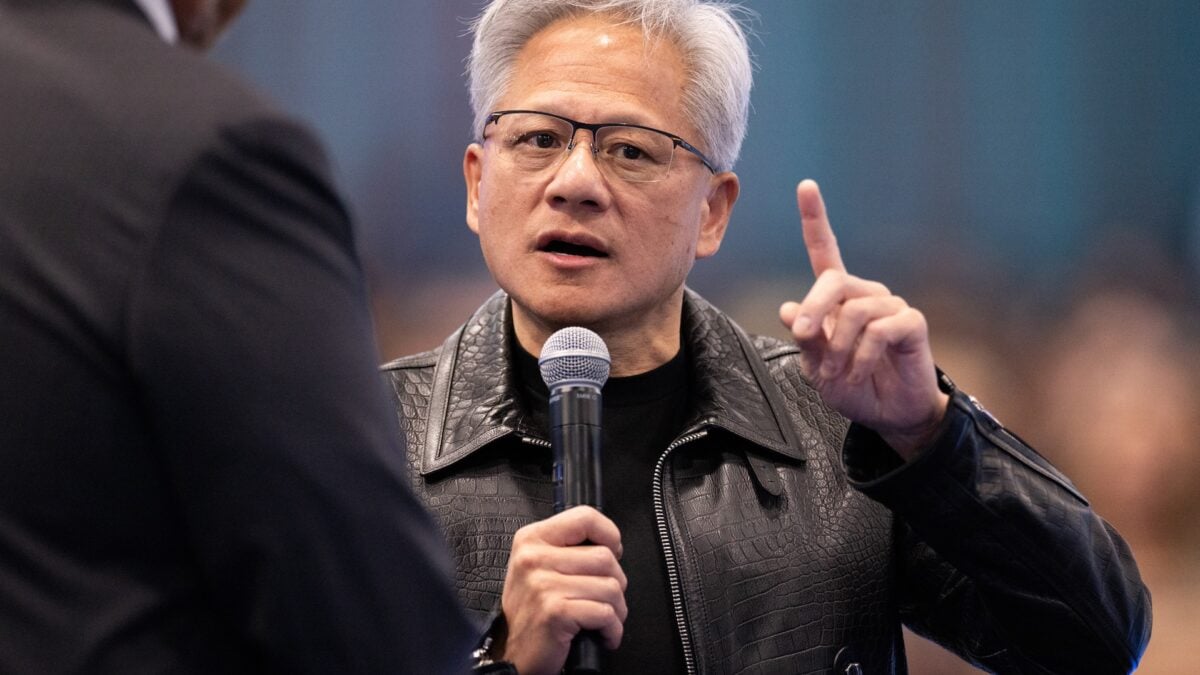
Source: gizmodo.com
The technologies at stake—advanced AI chip architectures, sophisticated algorithms, and proprietary manufacturing processes—are foundational to the next generation of computing. They power everything from autonomous systems and advanced data analytics to critical defense applications. For nations vying for global influence, possessing the most cutting-edge hardware and software is an imperative, not a luxury. The alleged involvement of a top intelligence agency like the MSS signifies that these technological secrets are considered national assets, warranting significant resources for their acquisition, even through illicit means.
Protecting these innovations presents an immense challenge for tech companies. Traditional corporate security measures, designed to counter industrial espionage or cybercrime, often fall short against sophisticated state actors. These entities possess vast resources, long timelines, and the ability to deploy both human intelligence and advanced cyber operations. The risk extends beyond the theft of blueprints; it includes attempts to influence strategic decisions, recruit key personnel, or undermine competitive advantages. Companies operating at the forefront of critical technologies must therefore reassess their threat models and implement multi-layered defenses that account for state-level threats.
Looking forward, the persistence of such activities will inevitably shape the global technology landscape. It will likely accelerate the trend towards greater supply chain scrutiny, drive more robust government-industry partnerships for cybersecurity, and potentially lead to further restrictions on technology transfer. The open exchange of ideas and talent, long a hallmark of innovation, faces increasing pressure under this climate of intense geopolitical rivalry. Maintaining a competitive edge in AI and advanced semiconductors will increasingly depend not only on technological prowess but also on comprehensive, nation-state level strategies for intellectual property protection and counter-intelligence.
Inspired by: https://gizmodo.com/chinese-spy-who-targeted-jensen-huang-worked-directly-for-chinas-top-spy-agency-report-2000836560