Ram 6.7 Cummins Delete Kits: A Buyer's Guide to Engine Compatibility
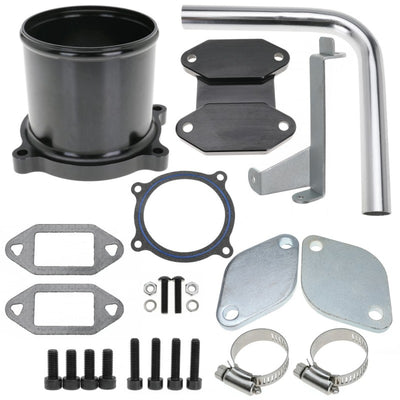
Choosing the right components for a diesel truck requires careful research, especially when engine specifications and model years affect compatibility. Buyers researching Ram 6.7 Cummins Delete Kits should first understand their truck's configuration, factory equipment, and intended application. The 6.7L Cummins diesel engine has powered various Ram heavy-duty trucks, but changes in engine management systems, exhaust layouts, and emissions equipment mean that parts designed for one model may not fit another. Understanding these differences helps owners make informed purchasing decisions.
Understanding the Ram 6.7L Cummins Engine
The 6.7L Cummins is a turbocharged inline-six diesel engine recognised for its strong torque, towing capability, and durability. It has been used in Ram 2500 and Ram 3500 trucks across multiple generations. However, engine specifications and supporting systems have changed over time, influencing replacement parts, maintenance requirements, and aftermarket compatibility.
Two trucks with the same engine displacement may have different sensors, electronic controls, exhaust components, or wiring arrangements. Buyers should therefore consider the complete vehicle configuration rather than relying on engine size alone. Checking the model year, factory specifications, and original equipment helps establish which components are suitable for the truck.
Why Model Year Matters for Compatibility
Model year is one of the most important details to verify before purchasing diesel performance equipment. Manufacturers update engine control modules, wiring connections, exhaust systems, and emissions components throughout a vehicle's production history. Even small design changes can affect whether a particular part fits correctly.
A component advertised for an earlier Ram 6.7L Cummins may have different connections or installation requirements from one designed for a newer model. Buyers should check the manufacturer's application guide and confirm the exact year range covered by the product. The production date can also be useful when a truck was manufactured around a model-year transition. Reviewing the vehicle identification number and factory documentation can help resolve uncertainty and reduce the risk of ordering incompatible parts.
Checking Engine Configuration and Factory Equipment
Engine compatibility involves more than confirming the displacement. Buyers should identify the original engine configuration, transmission type, exhaust arrangement, and factory emissions equipment. These details help determine whether a replacement component is appropriate for the intended application.
Transmission differences may affect supporting hardware, while changes in sensor placement and electronic control systems can influence compatibility. A product listing that clearly identifies supported configurations provides more useful information than a description that simply mentions Ram diesel trucks. Before ordering, compare the product specifications with the vehicle manufacturer's documentation. If important information is missing, contact the supplier and request clarification. Accurate fitment information is especially valuable when selecting parts for older trucks or less common configurations.
Evaluating Product Quality and Manufacturer Information
Product quality should remain a priority when comparing diesel components. Clear specifications, durable materials, accurate fitment details, and accessible technical support can contribute to a better ownership experience.
A reliable supplier should explain which vehicles a product supports and identify any installation requirements or limitations. Buyers should also review available instructions, warranty conditions, return policies, and replacement-part availability. Avoid relying entirely on low prices or broad performance claims. An inexpensive component may lead to additional expenses if it requires unexpected modifications or does not fit the vehicle correctly. Reviewing technical documentation before purchasing helps reduce uncertainty and supports a more informed decision.
Understanding Emissions Compliance and Legal Requirements
Emissions regulations are an essential consideration when evaluating modifications to a Ram 6.7L Cummins engine. Components designed to remove, disable, or bypass factory emissions controls may be prohibited for road use, depending on the applicable laws. In the United States, federal and state regulations can restrict tampering with emissions-control systems.
Owners should confirm whether a proposed modification is permitted for their vehicle and intended use before purchasing equipment. Components marketed for specialised competition applications may not be legal on public roads. Maintaining compliant factory emissions equipment can help owners meet applicable inspection requirements and avoid potential penalties. When regulations are unclear, consult the relevant authorities or a qualified diesel professional before making changes.
Comparing Costs Beyond the Purchase Price
The initial purchase price does not always represent the total cost of a diesel performance project. Installation labour, supporting hardware, diagnostic work, ongoing maintenance, and possible warranty implications can all affect the final expense.
When comparing Ram 6.7 Cummins Delete Kits, buyers should examine the complete product description, compatibility information, included components, and any additional requirements. They should also consider whether a proposed modification could affect emissions compliance, insurance coverage, or the manufacturer's warranty. Comparing these factors provides a clearer picture of overall value. Instead of choosing an option based only on price, truck owners should prioritise suitability, reliability, and compliance with relevant requirements.
Questions to Ask Before Making a Purchase
Before placing an order, confirm the exact model year, engine specifications, and factory configuration. Ask the supplier whether the product has been verified for the specific truck and whether professional installation or additional equipment is required.
It is also useful to review the return policy, warranty coverage, and availability of technical support. These details become particularly important when product listings cover several generations of diesel trucks. If compatibility information remains unclear, provide the supplier with the vehicle details needed to verify fitment. Requesting written confirmation can help prevent misunderstandings and make the purchasing process more straightforward.
Making an Informed Buying Decision
Choosing suitable equipment for a Ram 6.7L Cummins starts with accurate vehicle identification and a clear understanding of the intended application. Model year, engine configuration, factory emissions systems, and manufacturer specifications all influence whether a component is appropriate.
Rather than relying on general product descriptions, buyers should compare technical documentation, confirm compatibility with the supplier, and review the relevant legal requirements. Careful research can reduce purchasing mistakes and unexpected expenses while helping owners make responsible decisions. Ultimately, a good buying decision balances product quality, vehicle suitability, long-term costs, and legal compliance. Taking time to verify these details before ordering helps ensure that every maintenance or performance project begins with accurate information.