Dainty Solitaire Diamond Necklace: A Modern Approach to Fine Jewellery
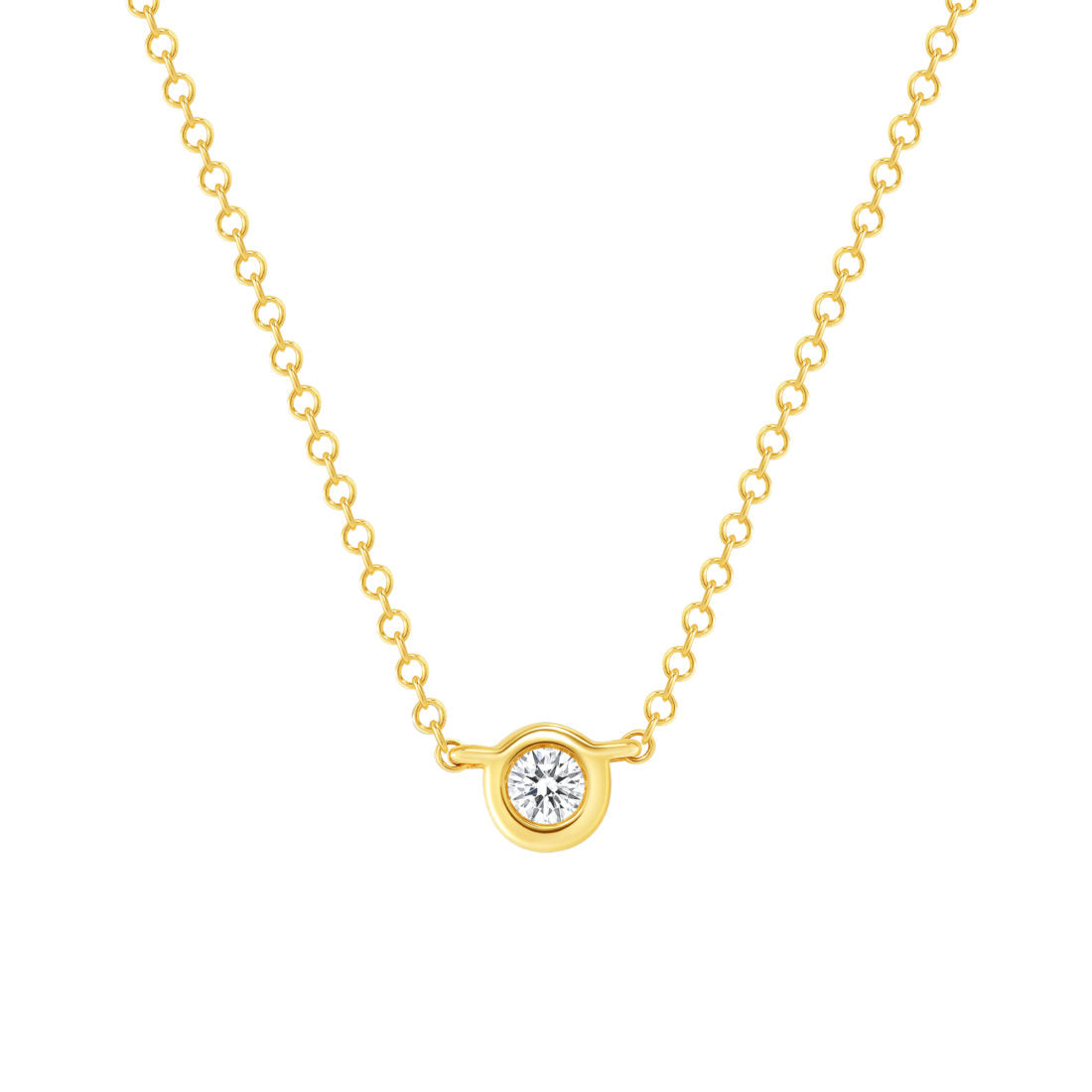
A single diamond on a thin chain may look plain at first glance. Yet, because it suits almost any outfit and budget, it has remained in vogue for decades. People want jewelry for everyday wear, not for special occasions or milestone gifts. This has led to smaller stones, finer chains, and lighter settings.
This article explains the design choices, quality factors and care habits that make a dainty solitaire diamond necklace work.
Why Single Stone Designs Last
With a solo diamond, nothing else can compete, so the stone does all the work.
A Simple Design With Long Roots
A solitaire is a single stone set in metal so light can pass through. Jewelers have used this arrangement for rings long before they coined the term pendant style.
A dainty solitaire diamond necklace takes this concept and shrinks it, trading size for ease of wear.
Built for Everyday Wear
A small pendant resting flat against the collarbone is less likely to snag knitwear or scarves. The stone is heavy, and the chain is light, so it layers well with other chains.
Choosing the Stone
Most of a diamond’s cost sits in the diamond, so it deserves a close look.
Size and the Four Cs
Delicate pendants usually use stones of around 0.10-0.50 carats. Within that price range, cut matters more than weight, since a small, well-cut diamond returns more light than a larger, poorly cut one.
If you are choosing a dainty solitaire diamond necklace, ask the store to show you the stone in daylight and under the store’s lighting.
Natural and Lab-Grown Diamonds
Whether grown in a lab or mined from nature, diamonds share the same chemical structure and hardness. Lab-grown stones are usually cheaper than naturally mined stones for the same size, cut and grade. But the main defining factor is origin. A grading report from an independent laboratory should come with either type.
Setting, Metal, and Chain
The elements surrounding the stone don’t merely affect comfort and safety; they can alter the diamond’s face-up as much as the stone itself.
Choosing a Setting
A prong or claw setting lets maximum light pass through the diamond. A bezel setting surrounds the stone with a thin metal rim that protects its edges. Bezel settings suit active people. Tulip and basket styles fall in between.
When comparing a dainty solitaire diamond necklace across settings, check whether the stone tilts. Also check if the metal holding it feels firm to your touch.
Metal Choices
These materials are usually platinum, yellow gold, white gold and rose gold. Gold is sold by purity. 14-karat gold is harder and cheaper, while 18-karat gold has a richer color and is slightly softer.
Some white gold alloys contain nickel, which can irritate sensitive skin, so ask about the alloy if you have sensitive skin.
Chain Length and Style
In necklace lengths, the 16-inch chain sits at the base of the neck. Meanwhile, the 18-inch chain sits just below the collarbone. Wearers often choose an adjustable chain with two or three loops so one piece suits many necklines.
A secure spring ring clasp adds a small amount to the cost. Wearing a dainty solitaire diamond with a chain thinner than the diamond can cause it to break.
Wearing and Caring for It
Good habits take little time and can protect a piece for decades.
Styling Ideas
This pendant works well with open necklines like V-necks, scoop tops, and open collars because it stays visible. A dainty solitaire diamond necklace adds a subtle point of light with a suit and tie, without too much impact.
Cleaning and Storage
Soak the chain in warm water with mild dish soap for fifteen minutes. Gently brush it with a soft toothbrush and pat it dry.
Remove it before swimming, at the gym and before cleaning, as chlorine can damage gold alloys. Store it in a separate pouch to avoid scratching. It is advisable to have your prongs checked by a jeweller yearly.
Conclusion
A well-chosen dainty solitaire diamond necklace depends on cut quality, setting security, chain strength for the stone, and a graded report. Request a daylight inspection, ask about the metal alloy if your skin is sensitive, and wear it often.
Gentle, regular cleaning and an annual prong check cost little. As a result, small diamonds can shine brightly for decades without falling out of their setting.