What Really Happens When You Replace a Missing Tooth From Root to Crown
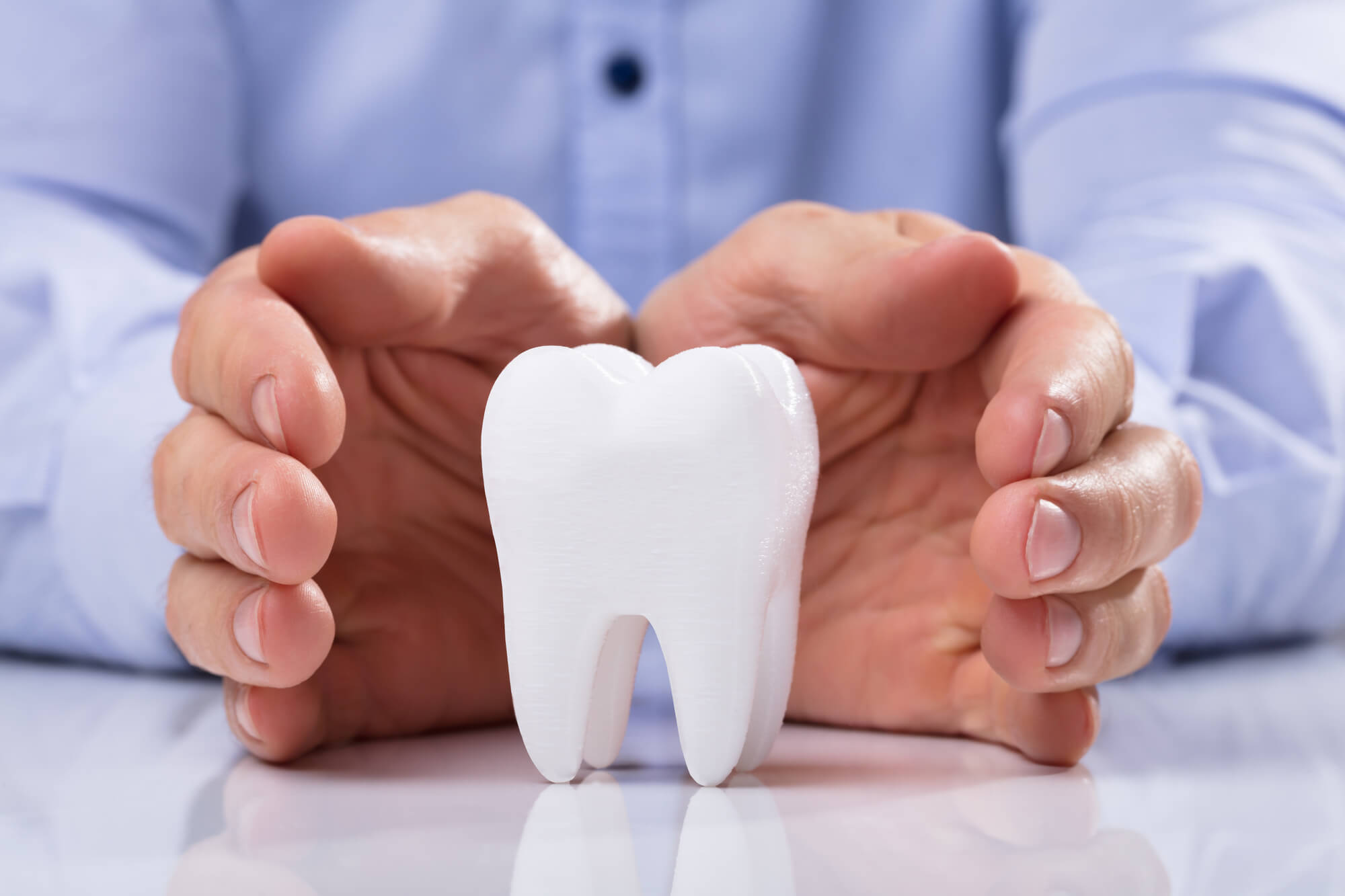
You lose a tooth and suddenly discover how much one tiny space can change the way you chew, smile, and even think about your mouth. At first, you might shrug it off. Then you catch your reflection, feel food wandering into the gap, or notice neighboring teeth behaving differently. A dental implant is designed to replace more than the visible part of a tooth. It rebuilds the support underneath, too, creating a replacement that works from root to crown.
Why Replace the Root?
A natural tooth has a root anchored in the jawbone. When that tooth disappears, the bone in the area can gradually shrink because it no longer receives the stimulation it once got from chewing.
An implant addresses this by using a small titanium or other biocompatible implant placed into the jawbone. Over time, the bone can bond with the implant through a process called osseointegration. It sounds like something from a science-fiction lab, but really, your body is simply doing its incredibly complicated body thing.
What Happens Before Surgery?
Before an implant is placed, your dentist needs to make sure the jawbone and surrounding tissues can support it. At a dental implant clinic, this may involve dental X-rays or three-dimensional scans, along with an examination of your gums, bite, and overall oral health.
If there isn’t enough bone, a bone graft or another procedure may sometimes be recommended. Gum disease, decay, or other oral problems may also need treatment first. Implant dentistry is not usually a “put it in and hope for the best” situation. Planning matters.
The Implant Is Only Part One
The implant itself sits beneath the gum and acts as the artificial root. After placement, there is a healing period while the implant integrates with the surrounding bone. This can take several months, depending on the individual and the treatment plan.
During this stage, you may have temporary options for appearance or function if appropriate. It can feel strange knowing the important work is happening underneath the surface while the outside of your mouth looks relatively normal. Quiet progress, basically.
Then Comes the Crown
Once healing is complete and the implant is stable, an abutment is typically connected to it. This small component links the implant to the final crown—the part designed to look and function like a natural tooth.
The crown is custom-made to fit your bite and blend with your surrounding teeth. Color, shape, size, and position all matter. Nobody wants one tooth announcing, “Hello, I am definitely artificial,” every time they smile.
What Does Recovery Feel Like?
Some soreness, swelling, bruising, or tenderness can occur after implant surgery. Your dental team may recommend pain relief, a softer diet, and specific instructions for cleaning the area while it heals.
Recovery is not necessarily dramatic. You may spend a few days eating softer foods and wondering why mashed potatoes suddenly seem like a gourmet experience. Follow your dentist’s instructions, attend follow-up appointments, and avoid habits that could interfere with healing.
How Long Can an Implant Last?
With proper care, dental implants can be a long-term tooth replacement option, although the crown and surrounding tissues still need regular maintenance. Brushing, flossing, or using recommended interdental cleaners, dental checkups, and good gum health all matter.
If you’re considering treatment, your dentist can explain the specific timeline, expected costs, alternatives, and potential risks. Ask questions. Lots of them. The best treatment plan is one you actually understand.
Conclusion
Replacing a missing tooth with an implant is more involved than simply filling an empty space. The process can involve planning, implant placement, healing, an abutment, and finally a carefully designed crown. But that step-by-step approach is also what makes the treatment so interesting: it addresses the missing tooth from underneath as well as above.
If you’re thinking about replacing a missing tooth, a consultation with a qualified dental professional can help you understand whether an implant is appropriate for you. The goal isn’t just to fill the gap. It’s to give your smile—and your bite—a stable new teammate.