I Tried a Digital Detox for 7 Days. Here's What I Actually Learned.
I want to be honest about the context in which I attempted this, because context matters for how seriously to take what I observed. I was not particularly addicted to my phone by clinical standards. I used it normally — morning news, occasional social media, maps, music, the usual texture of contemporary life. But I'd noticed a pattern of reaching for it without reason, reflexively, in any moment of minor boredom or mild discomfort, and I was curious about what that pattern looked like when I removed the option.
The rules I set: no social media, no news apps, no videos, phone on silent, screen time limited to calls and maps. Seven days.
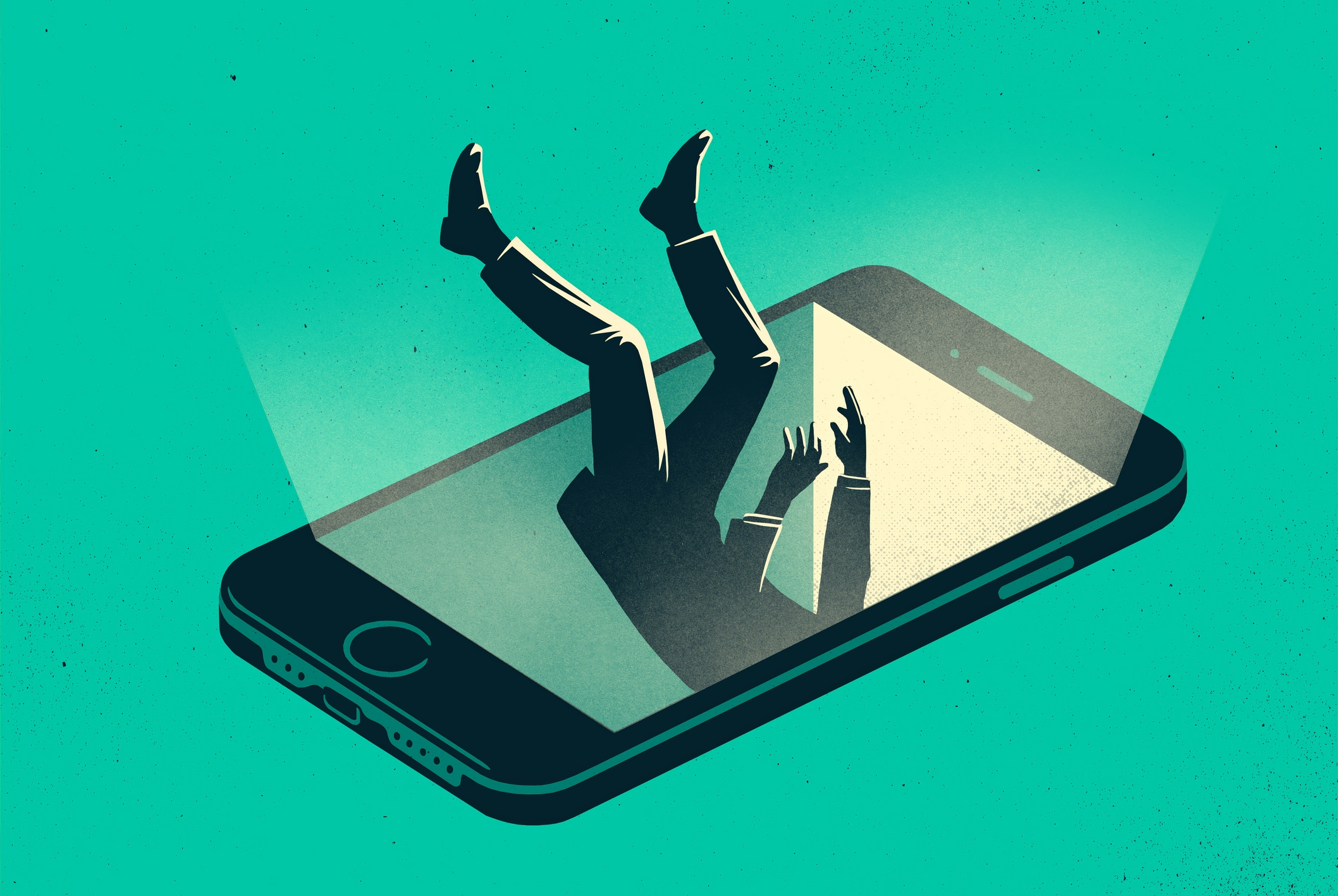
Days one and two were uncomfortable in a mildly surprising way. The discomfort wasn't severe — I wasn't in withdrawal — but the number of times I automatically reached for my phone and then remembered I wasn't using it was genuinely revealing. It was happening constantly. Not from desire, exactly, but from habit so deeply embedded I wasn't consciously initiating it.
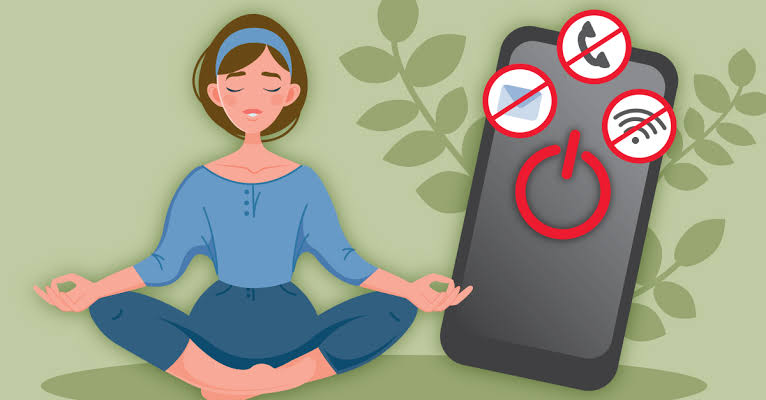
By day four, the reaching had reduced significantly. By day six, I was reading more, sleeping slightly earlier, and noticing things in my physical environment I'd apparently been filtering out for years.
Day seven was interesting: I didn't particularly want to go back to the old patterns. Not because the detox had been transformative — it hadn't, really — but because I'd become aware of the patterns in a way that made unconscious engagement with them feel different afterward.
Technology use and its effects on daily attention is something worth examining periodically rather than just accepting as fixed background to life. The health and mental clarity dimension of this is increasingly well-documented, even if the practical implications are still fairly personal and variable by individual.
What I brought back: notifications off by default, phone out of the bedroom, social media on a schedule rather than whenever. Small changes that feel, three months later, genuinely sustainable rather than performatively ascetic. How you use technology is a choice that's worth making deliberately at least once rather than just accepting whatever patterns formed by accident.