From Walkers to Wheelchairs: 4 Mobility Equipment Types That Change Outcomes
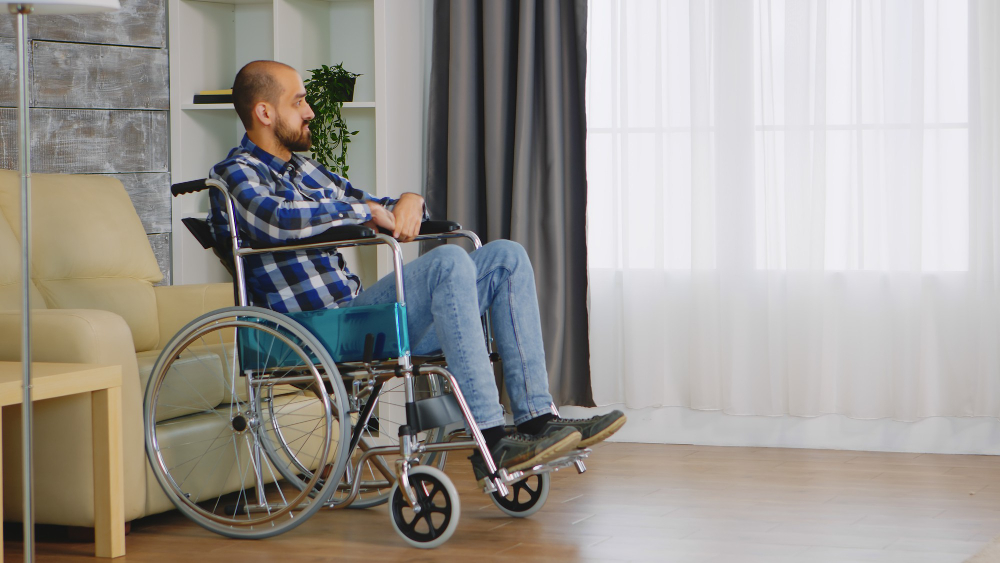
Mobility limitations impact far more than a patient's physical movement—they increase fall risks, exacerbate joint pain, restrict social engagement, and erode daily confidence. Obtaining durable medical equipment at pharmacy locations ensures patients receive professional fitting, hands-on safety training, and personalized advice tailored to their specific home environment.
4 Essential Mobility Equipment Categories
1. Canes: Light Support & Targeted Pain Relief
- Ideal For: Mild balance unsteadiness, unilateral joint pain (hip, knee, or ankle), and post-injury rehabilitation.
- Options: Standard single-point canes for light balance support, quad canes with a four-point base for enhanced stability, and offset handle canes for better weight distribution.
- Fitting Priority: The cane handle should align with the wrist crease when standing straight, creating a slight, comfortable bend in the elbow during use.
2. Walkers & Rollators: High-Stability Fall Prevention
- Ideal For: Seniors with significant balance deficits, post-operative patients, and individuals with high fall risks or rapid exertion fatigue.
- Options: Standard non-wheeled walkers for maximum stability, two-wheeled walkers for easier stride flow, and four-wheeled rollators equipped with hand brakes and integrated seating for rest breaks.
- Fitting Priority: Handle heights must be customized to prevent shoulder shrugging, and patients must be trained on lockable hand brake operation before navigating slopes or doorways.
3. Wheelchairs: Manual & Power Transport
- Ideal For: Non-ambulatory patients, severe distance fatigue, strict weight-bearing restrictions, or post-surgical recovery.
- Options: Manual wheelchairs (lightweight or transport models) for patients or caregivers with sufficient physical strength, and power wheelchairs for individuals lacking upper-body endurance.
- Fitting Priority: Proper seat width, depth, pressure-relieving seat cushions, and adjustable footrests are critical to prevent skin breakdown, pressure sores, and posture strain.
4. Mobility Scooters: Community & Long-Distance Independence
- Ideal For: Patients who retain sufficient trunk stability and hand strength but struggle with stamina during long errands or outdoor travel.
- Options: Compact travel scooters that disassemble for car storage, and heavy-duty outdoor models with higher weight capacities and extended battery ranges.
- Key Considerations: Evaluating turning radius for indoor navigation, home storage/charging space, and safe ramp access.
Key Decision Framework: Matching Needs to Equipment
- Mild Unsteadiness or Joint Pain: Recommend a Standard or Quad Cane. Priority focuses on correct handle wrist-height alignment and verifying rubber tip traction for surface grip.
- Moderate Balance Deficits or Fall Risks: Recommend a Standard Walker or Rollator. Priority focuses on mastering lockable hand brakes and measuring home doorway clearance.
- Severe Fatigue or Non-Weight Bearing Conditions: Recommend a Manual or Power Wheelchair. Priority focuses on selecting pressure-relieving seating cushions and verifying transport vehicle compatibility.
- Stamina Loss over Extended Distances: Recommend a Mobility Scooter. Priority focuses on reviewing battery charge range, indoor turning radius, and ramp accessibility.

The Pharmacy Advantage in Durable Medical Equipment
Partnering with a specialized medical supply pharmacy eliminates the risks of off-the-shelf purchasing. Clinical pharmacy staff assist with:
- Precise Sizing & Fitting: Adjusting device heights, seat dimensions, and grip designs to prevent secondary strain on shoulders, wrists, and back.
- Rental vs. Purchase Options: Helping patients select cost-effective short-term rentals for temporary surgical recovery or long-term purchases.
- Safety & Maintenance Guidance: Teaching safe transfer techniques, brake checks, and tip replacement protocols to maintain device reliability.
Restoring safe, independent movement at home begins with selecting the right assistive tools. To explore tailored options and consult with equipment specialists, visit the Durable Medical Equipment team at Citizen Pharmacy.