Streamlining Clean Water Act Permits for Critical Habitat Restoration
The imperative to restore degraded aquatic ecosystems has grown increasingly urgent as climate change impacts intensify and biodiversity declines. Wetlands, streams, and coastal habitats provide essential services, from filtering pollutants and mitigating floods to serving as critical nurseries for diverse species. However, the very legislation designed to protect these waters, the Clean Water Act (CWA), has, in some instances, presented an unforeseen administrative hurdle to their restoration.
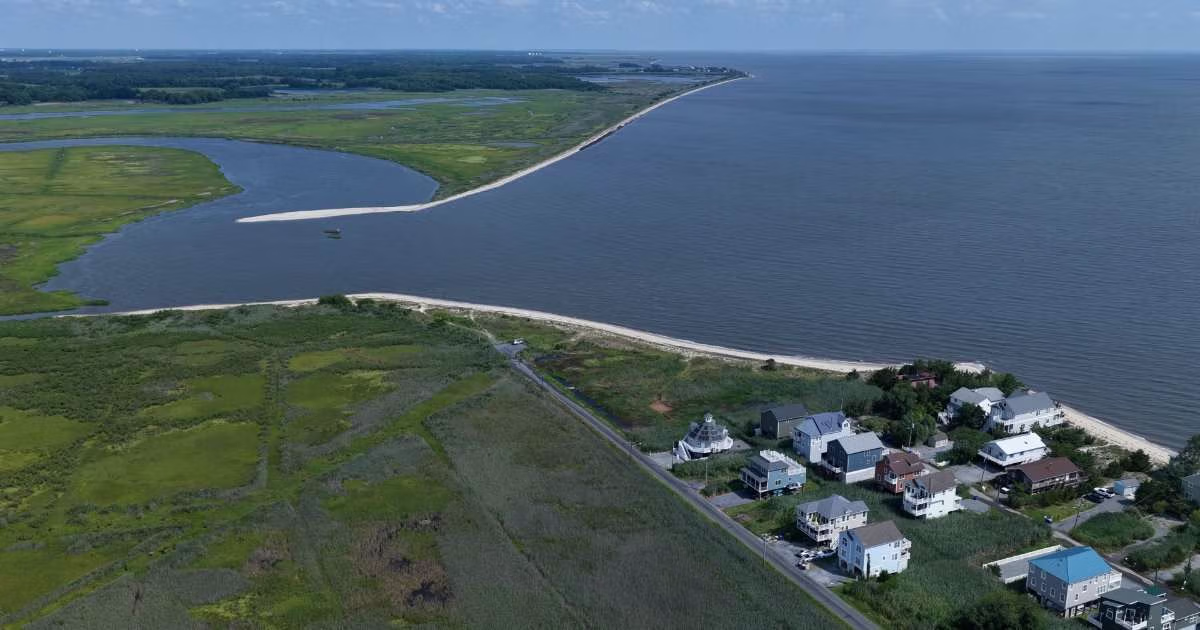
Source: ecomagazine.com
Current CWA Section 404 permitting requirements, which regulate the discharge of dredged or fill material into waters of the United States, are comprehensive. While vital for preventing environmental degradation, this framework can become protracted for projects explicitly designed for environmental uplift. Restoration initiatives, such as wetland creation, stream bank stabilization, or the development of oyster reefs, often involve temporary disturbances that trigger permit requirements. The lengthy, complex, and sometimes redundant permitting process across multiple federal agencies can significantly delay or even deter beneficial habitat projects, despite their overarching goal of improving water quality and ecological function.
New bipartisan legislative efforts, including the WATERWAYS Act and the RESTORE Act, aim to address this paradox by creating a more streamlined pathway for qualifying restoration activities. These proposed bills seek to establish a programmatic general permit (PGP) specifically tailored for low-impact habitat restoration. A PGP would standardize and expedite the review process for projects that meet predetermined criteria, allowing ecological recovery efforts to proceed more efficiently. This approach recognizes that the regulatory scrutiny required for a large-scale development project, which might permanently alter an ecosystem, is disproportionate to a project designed to enhance natural systems.
The potential benefits of such a legislative adjustment are substantial. Accelerating the implementation of restoration projects could lead to more resilient coastlines, improved inland water quality, and the faster recovery of imperiled species. Furthermore, reducing administrative burdens and associated costs could incentivize a broader range of stakeholders, from local conservation groups to state agencies, to undertake necessary ecological repairs. This represents an evolution in environmental policy, moving beyond solely preventing harm to actively facilitating healing.
However, the implementation of any streamlined permitting process requires careful consideration to maintain the robust protections of the CWA. The challenge lies in defining "low-impact" restoration effectively and ensuring that the PGP cannot be exploited for projects that masquerade as beneficial but inflict net environmental damage. Clear scientific criteria, rigorous oversight, and transparency in project evaluation will be essential to prevent unintended consequences. The objective is not to weaken environmental safeguards, but rather to refine them to better serve the dual goals of protection and active ecological restoration, allowing science-driven conservation efforts to achieve their full potential.