Are Emojis a Valid Form of Communication?
Once dismissed as digital decorations for teenagers, emojis have officially graduated to the linguistic big leagues. From boardrooms to breaking news, these colorful little icons have woven themselves into the fabric of daily digital interaction. But are emojis actually a valid form of communication, or are they just a lazy shorthand ruining modern literacy?
To answer this, we have to look at how humans communicate. Linguists note that up to 93% of communication is non-verbal. In face-to-face conversations, we rely on tone of voice, facial expressions, and body language to add context to our words. Texting strips all of that away, leaving messages vulnerable to misinterpretation. Is that sarcastic statement actually a joke? Is that blunt reply meant to be hostile? Enter the emoji.
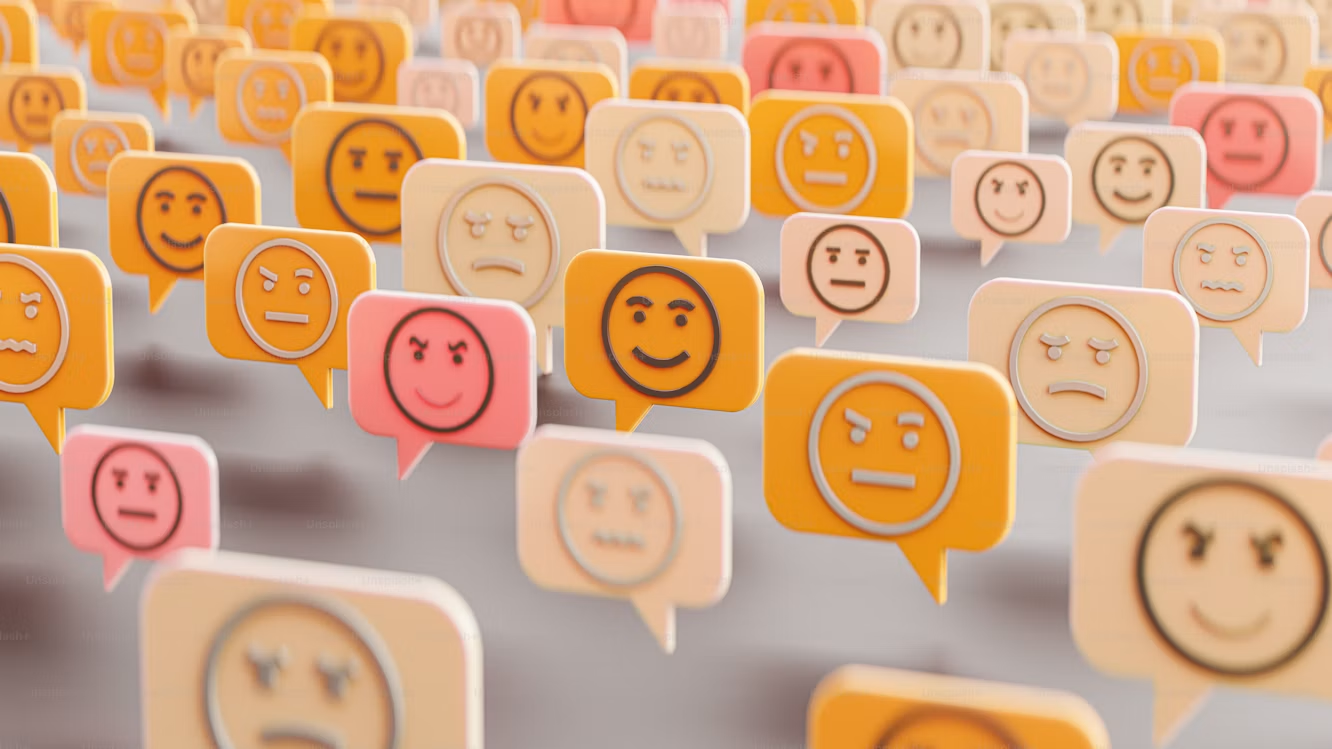
Emojis act as the digital equivalent of facial expressions and vocal inflection. A simple "Sure" feels passive-aggressive; "Sure! 👍" feels enthusiastic and warm. In this sense, emojis don't replace language—they enhance it, bridging the emotional gap inherent in text-based messaging.
Furthermore, emojis have developed their own complex grammar, syntax, and cultural nuances. People use them ironically, metaphorically, and even narratively to convey entire thoughts without a single alphabetic word. Oxford Dictionaries even named the "Face with Tears of Joy" emoji its Word of the Year in 2015, recognizing that the icon was a vital tool for global self-expression.
Of course, context matters. You wouldn't use a laughing-crying emoji in a formal legal brief or a grief-stricken condolence email. Like slang or colloquialisms, emojis have their appropriate time and place.
Ultimately, language is living and ever-evolving. Emojis are not destroying communication; they are enriching it, proving that a picture really is worth a thousand words—even in the digital age.