Circular Economy and Construction Waste Management: A Growing 2026 Trend in Saudi Arabia
Construction waste management has moved from an afterthought handled mostly for regulatory compliance to a genuine strategic priority for many project owners heading through 2026, reflecting both Saudi Arabia's broader sustainability agenda under Vision 2030 and growing economic recognition that construction waste represents genuine lost value, not just a disposal problem. Memary Gulf Contracting has adjusted our own project practices meaningfully this year to reflect this shifting priority.
What Circular Economy Thinking Actually Means for Construction
Circular economy principles, applied to construction, mean designing and managing projects specifically to minimise waste generation, maximise material reuse and recycling, and where possible, design buildings with eventual deconstruction and material recovery in mind rather than assuming demolition and landfill disposal as the inevitable endpoint. This represents a genuinely different mindset from traditional linear construction thinking, extract materials, build, eventually demolish and discard, toward a model that treats materials as valuable resources to be managed carefully throughout a building's entire lifecycle.
Among Building construction companies in Saudi Arabia, this shift has moved from a niche sustainability talking point to something increasingly reflected in actual project specifications throughout 2026, with more project owners specifically requesting waste diversion targets and material reuse strategies as part of their contractor evaluation criteria, not just as an optional sustainability add-on.
Practical Waste Reduction Strategies Gaining Traction
Several practical strategies have gained genuine momentum in 2026 Saudi construction projects. Prefabrication and modular construction, beyond their scheduling advantages, genuinely reduce on-site waste generation significantly, since factory-controlled manufacturing produces considerably less offcut and material waste than traditional on-site construction methods. Careful material quantity planning, using digital tools to calculate precise material needs rather than the traditional practice of over-ordering as a safety buffer, has also become more standard practice as project teams recognise how much excess material ordering contributes to unnecessary waste and cost.
Concrete and demolition waste recycling has matured considerably as an industry capability in 2026, with more facilities now available to process crushed concrete into aggregate suitable for reuse in new construction, closing a loop that previously sent this substantial waste stream directly to landfill. Civil contracting companies in Saudi Arabia increasingly specify recycled aggregate use where structurally appropriate, both for genuine environmental benefit and because it often delivers meaningful cost savings compared to virgin material sourcing.
Piping and Specialised Trade Waste Considerations
Even specialised trades face genuine opportunities for waste reduction under circular economy thinking. A Piping contractor in Saudi Arabia working with more precise material takeoffs and standardised component sizing generates measurably less offcut waste than traditional approaches relying on generic length ordering and significant on-site cutting waste. Similarly, Firefighting companies in KSA installing fire suppression systems increasingly focus on precise material planning and, where components allow, using standardised modular elements that reduce both installation waste and future maintenance complexity.
Why This Trend Has Genuine Economic Logic, Not Just Environmental Appeal
It's worth being candid that circular economy adoption in Saudi construction hasn't accelerated purely from environmental idealism, it's gained momentum specifically because the economics increasingly make sense. Rising material costs have made waste reduction a genuine cost-saving strategy, not just an environmental gesture. Recycled aggregate and reclaimed materials, where structurally appropriate, often cost meaningfully less than virgin alternatives. Reduced landfill disposal costs, as waste disposal fees have risen across the Kingdom, add further economic incentive for genuine waste minimisation rather than the traditional approach of treating disposal as a minor, unavoidable project cost.
How We've Integrated Circular Economy Practices
Memary Gulf Contracting has built waste reduction and material reuse consideration into our standard project planning process throughout 2026, recognising both the genuine environmental benefit and the meaningful cost advantages this approach delivers for our clients. As a Building construction companies in Saudi Arabia provider committed to this evolving standard, we specify precise material takeoffs using digital planning tools that minimise over-ordering, work with recycling facilities to divert demolition and construction waste from landfill wherever structurally and economically appropriate, and increasingly favour prefabricated components where project design allows, reducing on-site waste generation meaningfully compared to fully traditional construction methods.
What This Means for Project Owners
For project owners considering these priorities for their own upcoming projects, the genuine benefit extends beyond environmental credentials, though those increasingly matter for organisations pursuing green certification or corporate sustainability commitments. Waste reduction strategies typically deliver measurable cost savings through reduced material waste, lower disposal fees, and often faster construction timelines when prefabrication reduces on-site work. We're transparent with clients about where circular economy approaches genuinely deliver value for their specific project versus where traditional methods remain more practical, rather than presenting sustainability messaging without genuine substance behind it.
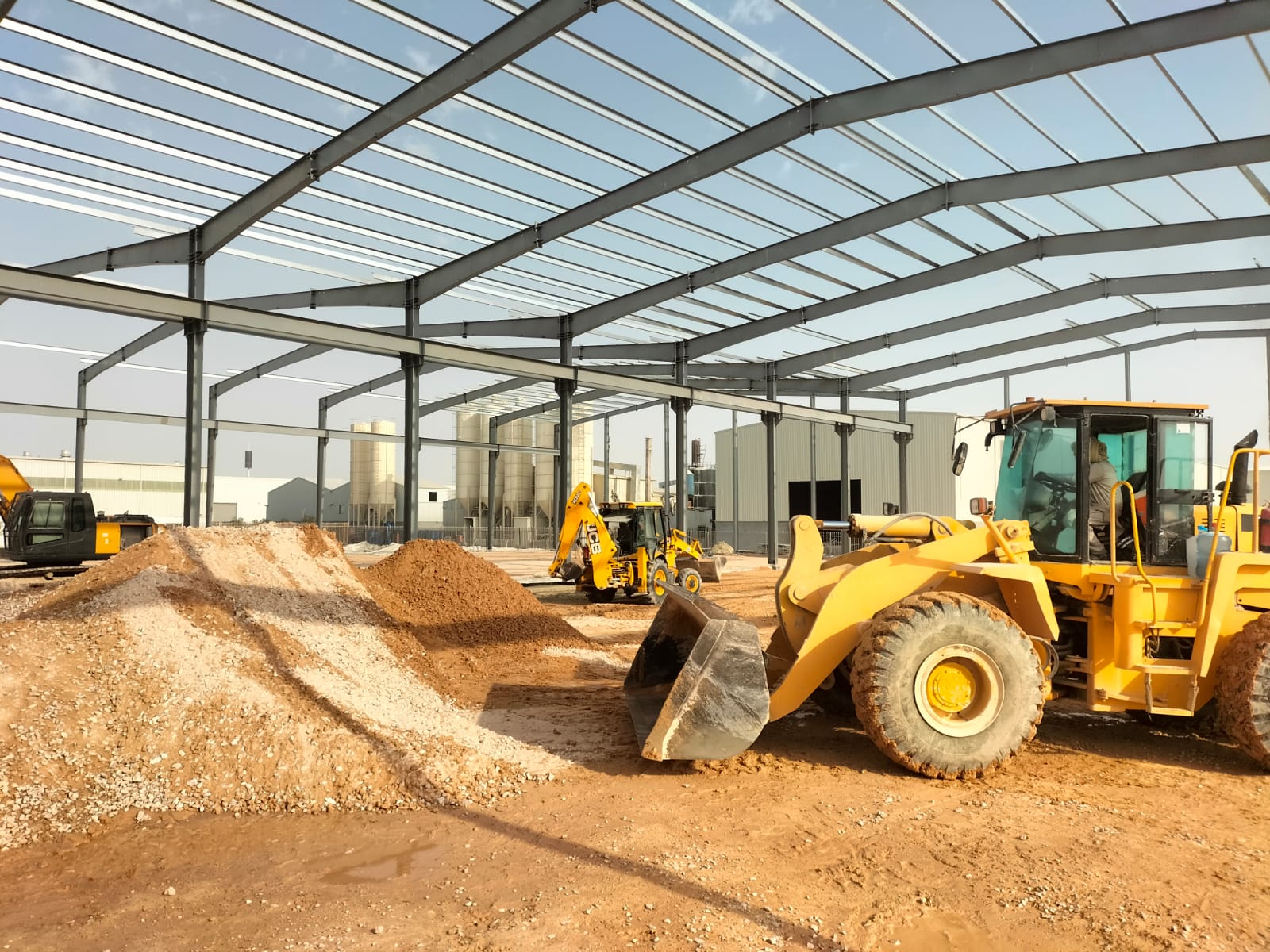
Documenting Genuine Impact
As with any sustainability-adjacent trend, genuine implementation matters considerably more than marketing language claiming environmental commitment without real substance behind it. We document actual waste diversion rates and material reuse on our projects, giving clients genuine, verifiable data about environmental impact rather than vague sustainability claims. This documentation has also become increasingly valuable for clients pursuing green building certification, where verified waste management data forms a genuine component of certification requirements under frameworks like Mostadam.
The Deconstruction Consideration
A more forward-looking element of circular economy thinking gaining some traction in 2026, though still relatively early-stage in Saudi Arabia compared to more established markets, involves designing new buildings with eventual deconstruction in mind, using connection methods and material choices that would allow easier material recovery decades from now rather than buildings designed purely for demolition. While this consideration remains a smaller part of most current project conversations compared to more immediate waste reduction during construction itself, we expect it to gain genuine momentum as the broader circular economy conversation in Saudi construction continues maturing beyond 2026.
Looking Ahead
As material costs continue their upward trajectory and Vision 2030's sustainability agenda continues shaping construction sector expectations, we expect circular economy practices to move further from a differentiating consideration toward a genuinely standard expectation across Saudi construction projects. Contractors who've built genuine waste reduction and material reuse capability into their standard process, rather than treating it as an occasional special request, will be increasingly well positioned as these expectations continue solidifying.
Picture a project delivered with measurably reduced waste, genuine cost savings from precise material planning, and documented environmental impact data, reflecting where construction practice has genuinely moved in 2026 rather than the traditional, more wasteful approach of decades past.
If reducing waste and improving material efficiency matters for your upcoming project, whether for genuine sustainability goals or the meaningful cost savings this approach delivers, Memary Gulf Contracting is happy to discuss how we've integrated these practices into our project delivery. Reach out to learn more.
https://www.memarygulf.com/civil-works
https://share.google/Ytr35A8uWbBheyoh8
https://www.memarygulf.com/