Best Books by Female Fantasy Authors
Fantasy has long been a genre of boundless imagination — where dragons soar, magic reigns, and worlds beyond our own come vividly to life. Yet, for much of its history, the fantasy realm has been shaped predominantly by male voices. In recent decades, that landscape has transformed, as a powerful wave of female authors has not only entered the scene but redefined it.
These women have woven stories that are fierce, thoughtful, subversive, and endlessly imaginative. They’ve introduced us to complex heroines, reimagined ancient myths, built empires from scratch, and shown us what happens when power, identity, and storytelling collide.
This list celebrates the best books by female fantasy authors — from timeless classics to bold new releases. Whether you’re just starting your fantasy journey or looking to expand your TBR pile with some brilliant women-led epics, you’re in for a magical ride.
Why Female Fantasy Authors Matter
Female fantasy authors have brought something profoundly transformative to the genre. While traditional fantasy often emphasized grand battles, destined heroes, and rigid archetypes, women writers have expanded that canvas, painting in shades that were often overlooked. Their stories tend to delve deeper into the emotional landscapes of their characters, challenging the idea that strength always looks like swordplay or stoicism. Instead, strength is shown in compassion, endurance, rebellion, and the quiet, powerful moments of choice.
Representation plays a key role in why these voices matter. For many readers, discovering a fantasy novel written by a woman — featuring a well-rounded female protagonist or diverse cast — can be a revelation. These stories make space for identities and experiences that have historically been marginalized, and they often ask bold questions about power, gender, and the systems we live within. Through fantasy, female authors explore these themes with nuance and creativity, often flipping the script on conventional tropes.
Beyond just inclusivity, female authors have continually pushed the boundaries of what fantasy can be. They experiment with form and structure, blend genres, and bring in rich cultural influences that reflect the vastness of human experience. From the political intricacies of courtly life to the raw survivalism of war-torn lands, their stories span every corner of the genre — and in doing so, they help fantasy reflect a more complete and vibrant version of the world.
Iconic Classics by Female Fantasy Authors
Before the current wave of modern fantasy trailblazers, there were a few women whose work carved out space in a genre that often felt like a boys’ club. These classic authors didn’t just add to the fantasy canon — they helped define it. Their stories are still read, studied, and loved today because they laid the foundation for the richness and diversity we now enjoy in the genre.
Ursula K. Le Guin is often at the forefront of this conversation. Her novel A Wizard of Earthsea (1968) introduced readers to a sprawling archipelago of magic, dragons, and deeply human struggles. Le Guin’s genius wasn’t just in her world-building but in the quiet power of her prose and the philosophical questions she explored through her characters. Her work challenged the Eurocentric, whitewashed norms of fantasy and offered readers a protagonist of color at a time when such representation was rare.
Robin Hobb, often hailed as one of the most character-driven writers in fantasy, brought us Assassin’s Apprentice and the entire Farseer Trilogy. Her stories follow FitzChivalry Farseer, a royal bastard trained as an assassin, in one of the most emotionally resonant and introspective fantasy series ever written. Hobb’s gift lies in her ability to write flawed, deeply human characters that readers connect with on an intimate level. Her worlds are immersive, her magic systems complex, and her emotional storytelling unmatched.
Another foundational voice is Marion Zimmer Bradley, whose novel The Mists of Avalon offered a radical retelling of the King Arthur legend through the eyes of the women often relegated to the margins — Morgaine (Morgan le Fay), Guinevere, and others. By centering female experiences, Bradley gave voice to characters who had been silenced for centuries and reimagined myth through a feminist lens. While her legacy is complicated by personal controversy, her literary impact on feminist fantasy is undeniable.
These authors didn’t just write great books — they challenged what fantasy could be. Their stories remain touchstones for anyone looking to understand the genre’s evolution and the early powerhouses who paved the way for a new generation of storytellers.
Modern Must-Reads
Today’s fantasy landscape is richer and more diverse than ever, thanks in large part to a powerful wave of female authors who are redefining the genre with bold ideas, inclusive storytelling, and genre-blending brilliance. These modern must-reads showcase the versatility and vision of women who are not just writing fantasy — they’re reinventing it.
One of the most celebrated voices in contemporary fantasy is N.K. Jemisin. Her Broken Earth trilogy, beginning with The Fifth Season, is a staggering achievement that made history when each book in the series won the Hugo Award for Best Novel — three years in a row. Jemisin crafts a world where the earth itself is unstable, and magic comes with immense cost. With deeply layered characters, cutting commentary on systemic oppression, and a plot that defies expectations, The Fifth Season is both a thrilling story and a profound meditation on survival and resistance.
Then there’s Samantha Shannon, whose The Priory of the Orange Tree brings back the high fantasy epic with a feminist twist. With dragons, ancient rivalries, and a beautifully diverse cast of characters, Shannon builds a sprawling standalone novel that rivals the depth of multi-book series. It’s a story where women occupy positions of power without question, love between women is normalized, and mythology is interwoven with rich cultural influence. It’s a must-read for fans of court intrigue and dragon lore alike.
Naomi Novik, known initially for her Temeraire series, turned heads with Uprooted — a dark, enchanting fairy tale rooted in Eastern European folklore. With lyrical prose and a gripping coming-of-age tale, Novik explores the tension between tradition and change, the price of magic, and the growth of a reluctant heroine. It’s a standalone that feels both intimate and epic, steeped in myth and emotion.
Another standout is Tasha Suri, whose The Jasmine Throne kicks off an Indian-inspired fantasy trilogy filled with rebellion, forbidden magic, and simmering political intrigue. Suri’s world is lush and dangerous, drawing from the aesthetics and tensions of ancient empires while centering brown, queer women in roles of power, resistance, and transformation. It’s a story that’s as much about reclaiming agency as it is about toppling tyrants.
These modern authors are not just writing fantasy — they’re changing what fantasy is. Their stories reflect a genre that is evolving, unafraid to tackle hard truths, and brimming with voices that resonate far beyond the page.
Hidden Gems and Indie Treasures
While big names often dominate fantasy shelves, some of the most inventive and exciting stories are being told by authors who fly just under the mainstream radar. These hidden gems and indie treasures may not always get blockbuster attention, but they deliver fresh voices, unique worlds, and storytelling that lingers long after the final page.
T.L. Huchu offers something refreshingly different with The Library of the Dead, the first book in the Edinburgh Nights series. Set in a dystopian, post-pandemic Edinburgh, the story follows Ropa, a teenage ghost-talker who makes a living delivering messages from the dead. Blending African spirituality with Scottish urban fantasy, Huchu creates a gritty, fast-paced world that’s both haunting and vibrant. With snappy dialogue, sharp commentary on social inequality, and an effortlessly cool protagonist, this is a must for fans of unconventional magic.
In The Poppy War, R.F. Kuang delivers a brutal, unflinching military fantasy inspired by Chinese history — specifically the Second Sino-Japanese War. Her protagonist, Rin, rises from poverty to military academy and into the heart of a devastating war. Kuang doesn’t shy away from the horrors of conflict, the complexities of power, or the trauma that follows. The result is a dark and powerful trilogy that blurs the line between fantasy and historical fiction, and challenges the reader to question who gets to be a hero.
Another standout is Andrea Stewart, whose debut novel The Bone Shard Daughter introduces a richly imaginative world where magic is powered by bone — carved into commands that animate constructs and uphold an empire. With shifting perspectives, political intrigue, and a slowly unraveling mystery at its core, Stewart’s storytelling is layered and immersive. Her world feels fresh, her magic system is wildly original, and her characters — especially the determined, secretive Lin — are impossible not to root for.
These books prove that fantasy isn’t just about sprawling epics and multi-million-dollar series. It thrives in the margins too — in the indie presses, debut releases, and overlooked corners of the bookstore. These hidden gems bring bold creativity and fierce storytelling that deserve a spotlight.
YA Fantasy Queens
Young Adult (YA) fantasy has seen an extraordinary rise over the last decade, becoming a major force within the genre — and many of the most successful and beloved titles have come from female authors. These writers have crafted immersive worlds and unforgettable characters that resonate with readers of all ages. Their books often combine fast-paced storytelling with deep emotional arcs, complex friendships, and the kind of fierce heroines who stay with you long after the final chapter.
One of the genre’s undeniable powerhouses is Leigh Bardugo, whose Six of Crows duology has become a cornerstone of modern YA fantasy. Set in the gritty, magic-infused world of Ketterdam, the story follows a group of teenage criminals on a dangerous heist. Bardugo’s talent lies in her ability to write morally gray characters with rich backstories and sharp wit, all while exploring themes of trauma, loyalty, and redemption. Her world-building is slick, stylish, and layered with political intrigue — a perfect blend of fantasy and found-family dynamics.
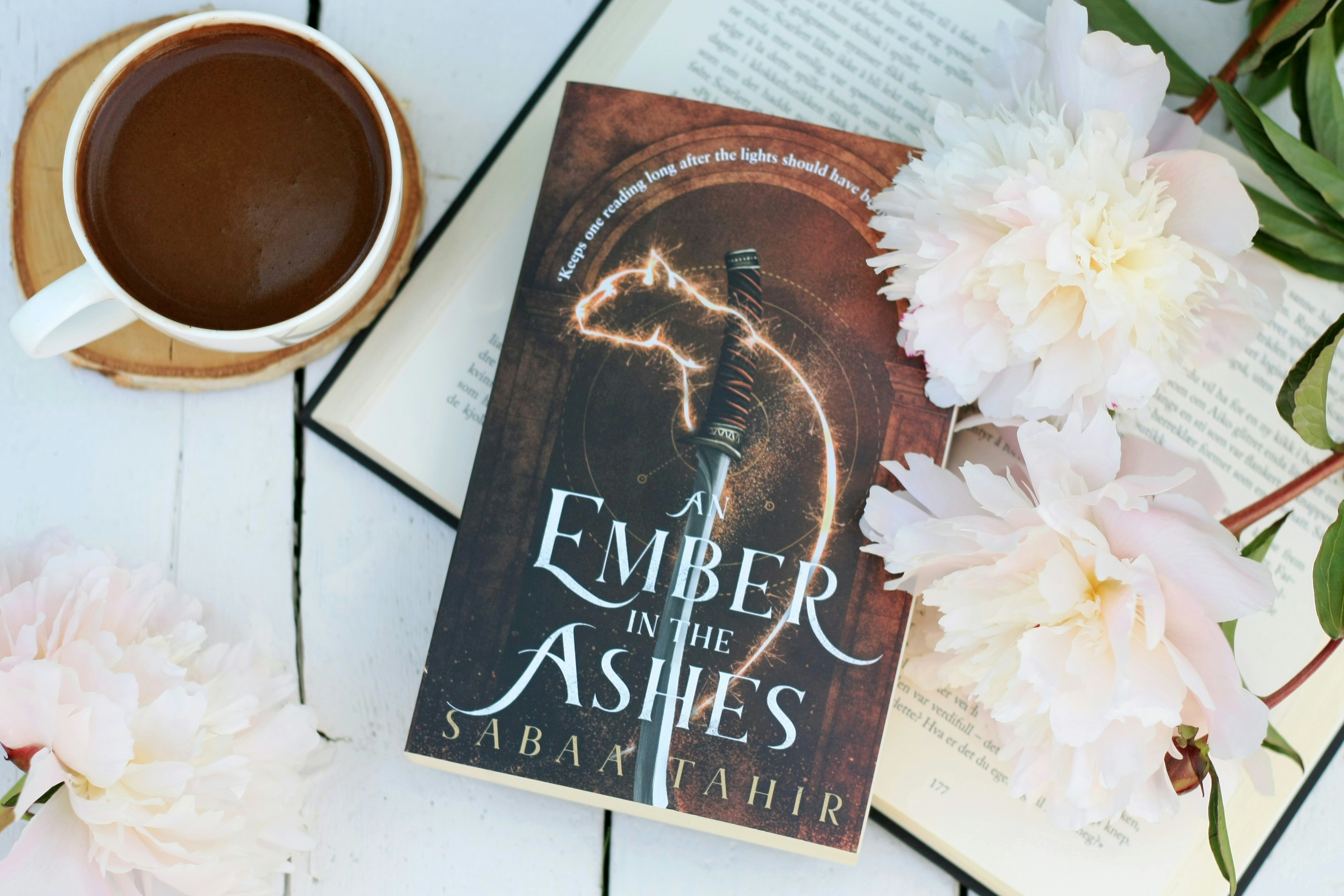
Sabaa Tahir made her mark with An Ember in the Ashes, the first book in a quartet inspired by ancient Rome and infused with themes of rebellion, oppression, and resistance. The story alternates between Laia, a Scholar girl infiltrating a brutal military academy, and Elias, a soldier struggling to escape the role the Empire has forced upon him. Tahir’s writing is tense, emotionally charged, and unapologetically honest about the cost of war and the strength it takes to fight back. The series only grows more powerful as it progresses, earning its place among the best of YA fantasy.
Then there’s Sarah J. Maas, a name that’s become practically synonymous with the modern YA-to-New-Adult fantasy boom. Throne of Glass, her debut series, started with a simple premise — a teenage assassin pulled from prison to compete for her freedom — and evolved into a sweeping epic filled with magic, romance, and world-threatening stakes. Maas’s work is often polarizing, but her influence on the genre is massive. She’s helped popularize the trend of complex female leads, intricate fantasy lore, and emotionally intense storytelling that blends fantasy with romance.
These YA fantasy queens have inspired a generation of readers and writers alike. They’ve proven that stories about young women navigating power, identity, love, and loss can be just as rich and compelling as any adult fantasy epic — and they’ve made the genre more accessible, inclusive, and exciting in the process.
Honorable Mentions
No single list could capture the full breadth of talent among female fantasy authors, so this section shines a light on even more remarkable writers whose work has enchanted readers, challenged conventions, and added depth to the genre in countless ways.
Tamora Pierce deserves recognition as a pioneer in YA fantasy long before it became a publishing phenomenon. Her Song of the Lioness quartet, beginning with Alanna: The First Adventure, was revolutionary for introducing a strong, flawed, and fiercely determined heroine who refused to be boxed in by her gender. Pierce’s novels have inspired generations of readers — especially young girls — with their messages of courage, growth, and self-discovery.
Trudi Canavan brought readers into a world of hidden magic and political tension with The Black Magician trilogy. Her approach to magic systems and class structures creates stories that are not just entertaining but thought-provoking, tackling themes of privilege, secrecy, and rebellion. Her storytelling has earned her a dedicated following and a lasting place in the fantasy world.
For those who love lyrical prose and imaginative worlds, Laini Taylor is a name to know. With books like Daughter of Smoke and Bone and Strange the Dreamer, Taylor blends magical realism, romance, and myth in a way that feels entirely her own. Her writing is poetic, dreamlike, and emotionally resonant — perfect for readers who want their fantasy served with heart and beauty.
Alix E. Harrow is a more recent standout, known for her elegant and enchanting prose. Her debut, The Ten Thousand Doors of January, and her follow-up, The Once and Future Witches, explore the power of storytelling, language, and forgotten histories. Harrow’s work sits at the intersection of fantasy and historical fiction, always grounded in deeply human struggles and rich feminist themes.
And finally, Mary Robinette Kowal, while often shelved under science fiction, deserves a nod for her Glamourist Histories series — imagine Jane Austen meets magical realism. Her elegant blend of Regency romance and subtle magic offers a refreshing alternative to the typical swords-and-sorcery fare, showing that fantasy can be as refined as it is epic.
These honorable mentions reflect just a glimpse of the incredible range found within female-authored fantasy. Each writer brings something distinct — whether it’s a fresh world, a powerful voice, or a new way of seeing the genre. They remind us that fantasy thrives when it embraces variety, and that the magic women bring to storytelling is endlessly worth celebrating.
Conclusion
Fantasy has always been about escape, wonder, and the limitless potential of imagination — but when women take the reins of that imagination, something truly transformative happens. Female fantasy authors bring new dimensions to the genre: emotionally complex characters, richly diverse worlds, and narratives that challenge long-held conventions. They show us that epic battles don’t always happen on bloody fields — sometimes, they happen within hearts, homes, and histories.
This list is just a starting point, a celebration of the women who have shaped fantasy’s past, are leading its present, and will no doubt continue to reinvent its future. Whether you’re drawn to sweeping epics, intimate character studies, folklore-inspired tales, or genre-defying hybrids, there’s a book — and an author — here for you.
So, if you’re building your next reading list or searching for a story that resonates on a deeper level, consider picking up a book by one of these incredible women. You’ll find magic, yes — but you’ll also find truth, resilience, rebellion, and hope. And if you already have a favorite female fantasy author who isn’t on this list, drop their name in the comments — we’re always looking for the next great adventure.
Frequently Asked Questions (FAQs)
1. Why focus specifically on female fantasy authors?
Highlighting female fantasy authors helps shine a light on voices that have historically been underrepresented in the genre. Women have brought fresh perspectives, diverse characters, and innovative storytelling techniques that challenge traditional fantasy tropes — and their work deserves to be celebrated and widely read.
2. Are these books only for female readers?
Not at all! Great fantasy transcends gender. The stories written by women often explore universal themes — identity, power, love, loss, resistance — that resonate with readers of all backgrounds. If you love rich world-building, compelling characters, and thought-provoking themes, you’ll find something to love in these books, no matter who you are.
3. What if I’m new to fantasy — where should I start?
If you’re just diving into the genre, A Wizard of Earthsea by Ursula K. Le Guin or Uprooted by Naomi Novik are excellent entry points. They offer rich storytelling without overwhelming complexity. For something fast-paced and character-driven, try Six of Crows by Leigh Bardugo or The Bone Shard Daughter by Andrea Stewart.
4. How can I support female fantasy authors?
Reading and recommending their books is a great start! You can also leave reviews on platforms like Goodreads or Amazon, follow them on social media, join book clubs that highlight their work, and support indie bookstores and small publishers that amplify diverse voices.