Best Fantasy Books for Beginners: A Starter Guide to Magical Reads
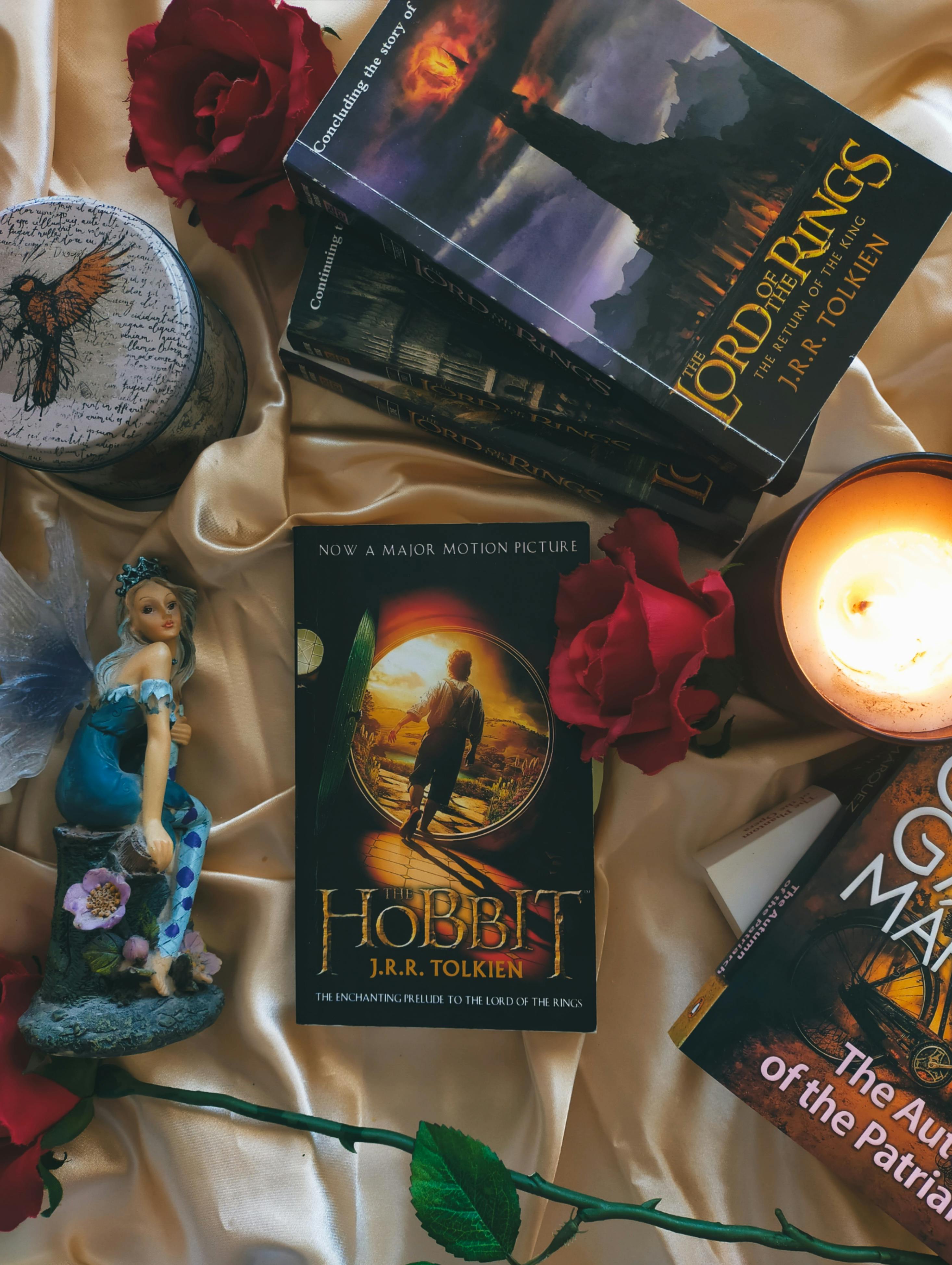
So, you want to dip your toes into the world of fantasy books, but you’re not sure where to start? You’re not alone. With its sprawling worlds, complex magic systems, and thousand-page tomes, the fantasy genre can seem a little overwhelming at first glance. But here’s the good news: fantasy isn’t just about dragons and epic quests (though those are awesome too). It’s about wonder, adventure, and stepping into worlds where anything is possible.
Whether you’re looking for magical coming-of-age tales, whimsical adventures, or gripping stories set in worlds just a little different from our own, there’s a fantasy book out there perfect for your reading style. This guide is here to help you find those beginner-friendly reads — stories that are rich and imaginative without being too dense or complicated.
Ready to escape into a world of magic, mystery, and unforgettable characters? Let’s turn the first page on your fantasy journey.
What Makes a Good Fantasy Book for Beginners?
Getting into fantasy doesn’t mean you need to start with massive epics or encyclopedic world-building. In fact, one of the best ways to fall in love with the genre is to start small — with stories that ease you into the magic rather than throw you into the deep end. So, what exactly makes a fantasy book beginner-friendly?
First and foremost, approachable world-building is key. A good starter fantasy introduces its world gradually, weaving in the rules and lore without overwhelming you. Instead of pages of dense exposition or unfamiliar terminology, beginner-friendly books tend to build their worlds in ways that feel natural and intuitive — letting you learn alongside the characters.
Another important element is character relatability. As magical as a story might be, it’s the human (or sometimes not-so-human) experiences that draw readers in. When characters face struggles, growth, and choices that feel real, it’s much easier to connect with them, no matter how fantastical their surroundings may be.
Length can also play a big role. Many classic fantasy series are epic in both scope and page count, which can be intimidating for new readers. Standalone books or shorter series provide a more digestible introduction without requiring a long-term commitment. It’s like a sampler platter of what fantasy has to offer — giving you a taste without the pressure.
Finally, a clear or “light” magic system can make a huge difference. While complex magical mechanics are fascinating, they’re often easier to appreciate once you’ve read a few fantasy books. Beginners tend to enjoy stories where the magic enhances the plot without needing a manual to understand how it works.
In short, the best fantasy books for beginners are those that welcome you in with wonder, not confusion. They’re stories that open the door to new worlds and make you feel right at home, even if that home is a castle floating in the sky.
Top Beginner-Friendly Fantasy Books
Now that we’ve talked about what makes a fantasy book accessible, let’s dive into some of the best beginner-friendly reads. These stories are magical, immersive, and perfectly suited for anyone just starting their fantasy journey — no prior knowledge of elves, spells, or ancient prophecies required.
One of the most iconic entry points into fantasy is Harry Potter and the Sorcerer’s Stone by J.K. Rowling. Love it or hate it, there’s no denying its role in getting millions of readers hooked on fantasy. With its magical school setting, lovable characters, and simple but engaging writing, it’s an easy way to step into a world of magic that feels both wondrous and familiar. Plus, starting with a younger protagonist makes it perfect for readers of all ages.
If you’re looking for something a bit more whimsical and fairy tale-like, Stardust by Neil Gaiman is a gem. It’s a standalone novel that reads like a modern-day fairy tale, filled with falling stars, witches, and daring quests — all told in Gaiman’s lyrical, accessible prose. It’s romantic, funny, and magical without being too heavy or complex.
For those curious about high fantasy but hesitant to commit to a massive series, The Hobbit by J.R.R. Tolkien is a classic worth exploring. While The Lord of the Rings can be a bit dense for first-timers, The Hobbit is a more straightforward adventure with a charming tone and plenty of excitement. Bilbo’s journey from his quiet home to the heart of a dragon’s lair is a perfect introduction to Tolkien’s world.
Looking for something with a bit more grit and action? Mistborn: The Final Empire by Brandon Sanderson is a modern fantasy staple that balances deep world-building with fast-paced storytelling. Its magic system, based on metals, is incredibly well thought out but explained in a way that’s easy to follow. With a heist plot, a strong female lead, and plenty of twists, it’s a fantastic choice for readers who want something a little darker without feeling overwhelmed.
Another accessible pick, especially for younger readers or those who enjoy a classic “chosen one” narrative, is Eragon by Christopher Paolini. Written by a teenager, it has a youthful voice and leans into familiar fantasy tropes like dragons, ancient prophecies, and sword fights. It’s not groundbreaking, but it’s fun, engaging, and has helped many readers fall in love with the genre.
If urban fantasy is more your vibe, A Darker Shade of Magic by V.E. Schwab offers a fresh twist. Set in a world where multiple versions of London exist — some magical, some mundane — this fast-paced story features a coat-wearing magician who can travel between them. With sleek writing and cinematic pacing, it’s perfect for readers who want fantasy with a modern edge.
Lastly, Howl’s Moving Castle by Diana Wynne Jones is a delightfully quirky read that mixes magic, romance, and humor. It’s often overlooked, but this standalone novel is a great pick for those who enjoy Studio Ghibli vibes, unpredictable characters, and lighthearted storytelling. It’s especially great for teens or readers who want something less intense but still full of wonder.
Each of these books opens a different door into the fantasy genre, whether you’re craving magical schools, sweeping adventures, or fairy-tale charm. The best part? They all prove that fantasy doesn’t have to be complicated to be magical.
Tips for Getting Into Fantasy
Diving into a new genre can feel daunting, especially when that genre is known for sprawling worlds and multi-book series. But getting into fantasy doesn’t have to be complicated or intimidating. A few simple tips can help you ease into the genre and actually enjoy the ride — rather than feel like you’re studying for a test every time a new magic system is introduced.
One of the best tips for beginners is to start with standalone novels or short series. Fantasy doesn’t always mean committing to a 10-book saga. There are countless one-off stories and trilogies that still deliver that immersive magic without the long-term commitment. These books tend to be more focused, with tighter plots and simpler world-building — perfect for new readers who want to dip their toes in without getting overwhelmed.
Audiobooks can also be a game-changer, especially in a genre where pronunciation and pacing can make a big difference. A great narrator brings characters to life and helps make unfamiliar names or places feel more natural. Listening to fantasy stories — especially on a commute or while relaxing — can create a cinematic experience that draws you in without feeling like hard work.
It’s also totally okay to take your time or even set a book aside if it’s not clicking with you. Not every fantasy book is for every reader. If you find yourself confused or slogging through the first few chapters with no enjoyment, don’t be afraid to try something else. There’s no one-size-fits-all approach to fantasy, and what feels like a slog to one reader might be magical to another.
Another helpful strategy is to explore different subgenres within fantasy. Not all fantasy looks the same — there’s urban fantasy set in modern cities, romantic fantasy with strong emotional arcs, cozy fantasy that feels like a warm hug, and dark fantasy for those who like their magic with a touch of horror. Finding the flavor that fits your reading style can make a huge difference in how you connect with the story.
Lastly, don’t hesitate to ask for recommendations or read reviews from people who enjoy the kind of stories you like. Whether it’s through book blogs, social media, or even asking a local librarian, getting suggestions based on your personal tastes can help you find the perfect entry point.
Remember, fantasy is about escapism and wonder — it’s meant to be enjoyed, not studied. With the right starting point and an open mind, your journey into the genre can be just as magical as the stories themselves.
Where to Go After These Books
Once you’ve dipped your toes into the world of beginner-friendly fantasy and discovered what you like, the fun really begins — because the genre is incredibly vast and diverse. From epic sagas to experimental worlds, there’s so much to explore once you’re feeling more confident in navigating magical realms.
A natural next step for many readers is to dive into some of the bigger fantasy series that might have felt intimidating at first. The Lord of the Rings by J.R.R. Tolkien is a foundational epic with rich lore and deep themes, perfect for those who enjoyed The Hobbit and want a grander scale. Similarly, Brandon Sanderson’s full Mistborn trilogy or his larger Cosmere universe offers a vast, interconnected world for readers who loved his accessible writing and smart world-building.
If you’re up for a challenge, A Song of Ice and Fire by George R.R. Martin (Game of Thrones) presents a gritty, politically complex world filled with intrigue, morally grey characters, and jaw-dropping twists. It’s not for the faint of heart, but it’s incredibly rewarding for readers looking to dig deeper into the darker, more nuanced side of fantasy.
This is also a great time to explore subgenres that might align with your personal taste. If you enjoy fast-paced, real-world settings with a magical twist, urban fantasy series like The Dresden Files by Jim Butcher or Rivers of London by Ben Aaronovitch could be a perfect fit. Prefer something cozy and heartwarming? Try books like Legends & Lattes by Travis Baldree — a delightful low-stakes fantasy that reads like comfort food.
Don’t forget to branch out into diverse voices and global fantasy traditions, too. Authors like N.K. Jemisin, R.F. Kuang, and Silvia Moreno-Garcia bring fresh perspectives, cultural depth, and innovative storytelling to the genre. Their books may be more complex than beginner picks, but they offer powerful, unforgettable narratives that expand what fantasy can be.
As your confidence grows, you’ll start recognizing patterns in fantasy storytelling — archetypes, world-building styles, and common tropes — and that familiarity makes diving into more ambitious stories much easier. And remember, there’s no rush. Let your interests guide you. Whether you’re reading for epic adventure, emotional depth, or just a bit of magic to brighten your day, there’s always another portal waiting to be opened.
Conclusion
Starting your journey into fantasy doesn’t have to be overwhelming — in fact, it should be exciting. Whether you’re craving magical schools, dragons, parallel worlds, or simply stories that offer an escape from the everyday, fantasy has something for everyone. The key is finding that first book — the one that pulls you in and reminds you why storytelling is such a powerful thing.
The titles we’ve explored in this guide are just the beginning. They’re accessible, immersive, and designed to show you the magic of fantasy without the confusion or commitment that some of the more complex series might demand. Once you find your footing, you’ll be amazed at how quickly you start recognizing the patterns, falling in love with the tropes, and craving more expansive worlds.
Don’t worry about reading what everyone else says you should read. Fantasy is personal. Whether you’re into lighthearted tales, dark epics, romantic adventures, or genre-bending twists, your perfect fantasy book is out there — and probably more than one.
So go ahead, pick one from the list, find a cozy spot, and start turning the pages. Who knows? That first book might just be the beginning of your own lifelong adventure through realms unknown.
And hey — I’d love to hear from you! What was your first fantasy read? Do you have a beginner-friendly favorite I didn’t mention? Drop it in the comments and let’s build a magical starter list together.
Frequently Asked Questions (FAQs)
1. What’s the best fantasy book to start with if I don’t usually read fantasy?
If you’re not sure about fantasy or find the genre intimidating, Harry Potter and the Sorcerer’s Stone, Stardust by Neil Gaiman, or The Hobbit are great starting points. They have clear narratives, accessible language, and just the right amount of magic to ease you in.
2. Are fantasy books only about dragons, magic, and medieval worlds?
Not at all! Fantasy is a wide genre. While some stories feature dragons and knights, others take place in modern cities, futuristic settings, or cozy villages. There’s urban fantasy, magical realism, romantic fantasy, and more — the genre is much more versatile than most people think.
3. Do I need to read long series to enjoy fantasy?
Nope! While there are many epic series in fantasy, there are also fantastic standalone novels and short trilogies. Starting with standalone books is a great way to see if you enjoy the genre before committing to a multi-book series.
4. What if I get confused by all the names, places, and magic systems?
That’s totally normal, especially at first. Many authors include glossaries, maps, or character lists. Audiobooks can also help with pronunciation and pacing. And remember, it’s okay to pause, look things up, or even re-read a section — you’re not expected to memorize everything.
5. Can adults read YA (Young Adult) fantasy books?
Absolutely. Many YA fantasy books are beloved by readers of all ages. They often focus on fast-paced plots, character growth, and emotional arcs, making them great for adult readers looking for accessible and engaging reads.
6. Are there fantasy books without a lot of violence or dark themes?
Yes! If you’re looking for lighter or cozier reads, try books like Howl’s Moving Castle or Legends & Lattes. There’s a growing subgenre known as “cozy fantasy” that focuses on comfort, community, and character-driven stories rather than conflict-heavy plots.
7. How do I know what kind of fantasy I’ll like?
Think about what you already enjoy in other genres. Like thrillers? Try fast-paced urban fantasy. Enjoy romance? Look for romantic or fantasy-with-romance titles. Love folklore and mythology? Look into myth-inspired fantasy. Matching your interests with the right subgenre is a great way to find your fit.
You Might Also Like:
~