Best Fantasy Trilogies of All Time
There’s something undeniably magical about a great fantasy trilogy. Three books to build a rich world, develop unforgettable characters, and take readers on a journey that crescendos into an epic finale — what’s not to love? Trilogies are the beating heart of fantasy fiction, offering just the right amount of space to tell a sweeping tale without overstaying their welcome.
From ancient prophecies and magical realms to morally gray heroes and apocalyptic showdowns, the fantasy genre has delivered some of the most beloved trilogies in literary history. Whether you’re a seasoned fantasy reader or just dipping your toes into the genre, finding a trilogy that hits all the right notes can be a game-changer.
In this post, we’re diving into the best fantasy trilogies of all time — timeless classics, modern masterpieces, underrated gems, and everything in between. These are the trilogies that left a mark, changed the game, and continue to inspire readers and writers alike. So grab your cloak, summon your courage, and let’s explore the realms of imagination one trilogy at a time.
Criteria for Selection
With so many fantasy trilogies out there, choosing the best of all time is no small feat. To narrow it down, we looked at several key elements that elevate a trilogy from simply enjoyable to truly unforgettable. First and foremost is storytelling quality — a compelling narrative that spans all three books with strong pacing, engaging plots, and satisfying payoffs. Each trilogy on this list knows how to hook readers from page one and keep them invested until the very last chapter.
World-building is another crucial component. Fantasy thrives on immersive settings, and the trilogies we’ve included all feature intricately crafted worlds that feel alive and believable. Whether it’s a sweeping high fantasy realm, a gritty city full of political intrigue, or a reimagined version of our own world steeped in magic, each series transports readers in unique and memorable ways.
We also considered character development, especially across the arc of a trilogy. The best fantasy series allow their characters to evolve — emotionally, morally, and sometimes even physically — over the course of their journey. Flawed heroes, complex villains, and unforgettable side characters all contribute to the emotional weight of a great trilogy.
Cultural impact and reader reception played a role, too. Some trilogies have shaped the genre for decades, while others broke new ground in theme, voice, or representation. Awards, critical acclaim, and the passionate responses of fans around the world helped us gauge just how influential and enduring these trilogies truly are.
Lastly, we looked for consistency. A great trilogy doesn’t fizzle out halfway through — it builds momentum. All three books need to hold their own, contributing meaningfully to the overarching narrative and delivering a conclusion that feels both earned and impactful.
With those criteria in mind, let’s dive into the fantasy trilogies that truly stand the test of time.
The All-Time Greats (Timeless Classics)
Some fantasy trilogies don’t just tell incredible stories — they define the genre. These are the trailblazers, the foundational works that influenced generations of writers and set the standard for what a fantasy trilogy can achieve. Whether you’ve read them once or return to them again and again, these trilogies are timeless for a reason.
1. The Lord of the Rings — J.R.R. Tolkien
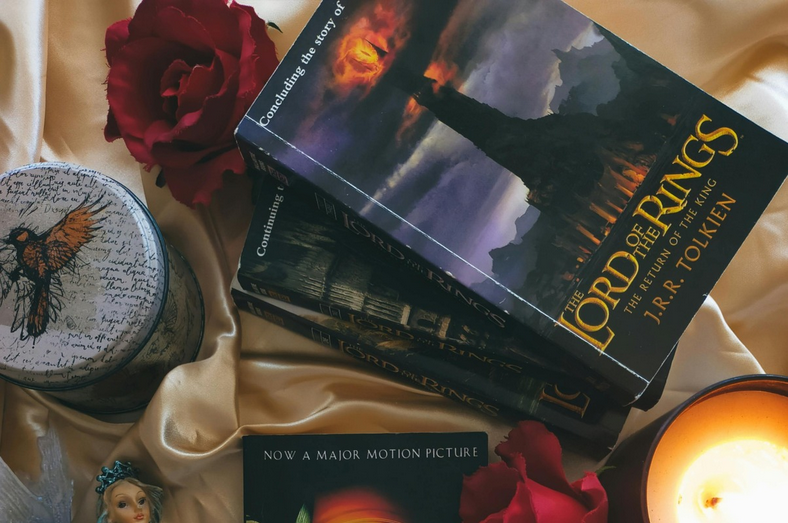
No list of fantasy trilogies would be complete without The Lord of the Rings. Though technically published as one long novel in three volumes, Tolkien’s masterpiece has become the template for epic fantasy storytelling. From the Shire to Mount Doom, Frodo and the Fellowship’s journey is one of heroism, sacrifice, and the enduring power of hope. Tolkien’s world-building remains unparalleled, with meticulously crafted languages, histories, and cultures that still awe readers decades later. More than just a story about good versus evil, The Lord of the Rings explores the cost of power, the strength of friendship, and the quiet resilience of the overlooked. It’s not just a classic — it’s the cornerstone of modern fantasy.
2. His Dark Materials — Philip Pullman
Philip Pullman’s His Dark Materials trilogy broke new ground when it emerged in the late 1990s. Far from your typical fantasy fare, these books tackle weighty philosophical and theological themes through the lens of a riveting coming-of-age adventure. Set across parallel worlds, the trilogy follows young Lyra Belacqua and Will Parry as they uncover secrets that challenge the very foundations of authority, religion, and reality itself. Pullman weaves science, magic, and metaphysics into a story that is both emotionally resonant and intellectually provocative. It’s a rare trilogy that grows in depth the more you reflect on it, making it as impactful for adults as it is for younger readers.
3. The Fionavar Tapestry — Guy Gavriel Kay
Often called “Canada’s Tolkien,” Guy Gavriel Kay’s The Fionavar Tapestry is a stunning homage to epic fantasy while also carving out its own mythic identity. Drawing heavily on Arthurian legends, Norse mythology, and original world-building, this trilogy takes five university students from our world and plunges them into Fionavar — the first world, from which all others spring. Kay’s lyrical prose and emotional depth elevate this trilogy into something more than mere fantasy adventure. It is tragic, heroic, romantic, and deeply human. While it may not have the same name recognition as Tolkien or Pullman, The Fionavar Tapestry is a hidden treasure for fans of classic high fantasy.
Modern Masterpieces
While the classics laid the foundation, modern fantasy trilogies have taken the genre in bold new directions. From gritty realism to revolutionary world-building, today’s authors are pushing boundaries and redefining what fantasy can be. These trilogies stand out not just for their innovation, but for how powerfully they connect with readers in the here and now.
1. The Broken Earth Trilogy — N.K. Jemisin
Few trilogies in any genre have garnered as much critical acclaim as The Broken Earth series. N.K. Jemisin made history by winning the Hugo Award for Best Novel three years in a row — one for each book in the trilogy (The Fifth Season, The Obelisk Gate, and The Stone Sky). Set in a world plagued by apocalyptic earthquakes and governed by oppressive power structures, the story follows a mother on a desperate quest to save her daughter, while unraveling the mysteries of a dying planet. Jemisin’s prose is lyrical, fierce, and emotionally charged. With themes of systemic injustice, trauma, and survival, The Broken Earth Trilogy doesn’t just entertain — it challenges. It’s modern fantasy at its most ambitious and important.
2. Mistborn (Original Trilogy) — Brandon Sanderson
Brandon Sanderson’s Mistborn trilogy is a masterclass in plot twists, magic systems, and long-form storytelling. Set in a world where ash falls from the sky and the Dark Lord has already won, the trilogy flips classic fantasy tropes on their head. At its core is Vin, a street urchin turned revolutionary, who uncovers her immense powers and the secrets of a broken world. What makes Mistborn truly special is its unique system of magic — Allomancy — based on ingesting and “burning” metals to gain abilities. Combined with intricate politics, unforgettable characters, and a finale that redefines epic, Mistborn is a must-read for anyone looking to fall headfirst into a fresh and satisfying fantasy universe.
3. The First Law Trilogy — Joe Abercrombie
If Tolkien gave us noble quests and shining heroes, Joe Abercrombie drags us through the mud and makes us love every moment of it. The First Law Trilogy (The Blade Itself, Before They Are Hanged, and Last Argument of Kings) is a brutal, darkly humorous, and fiercely character-driven series that redefines grimdark fantasy. Its cast of morally ambiguous (if not outright despicable) characters — like the tortured torturer Glokta or the barbarian with a conscience, Logen Ninefingers — feels unsettlingly real. Abercrombie subverts traditional fantasy archetypes, delivering a narrative that’s equal parts thrilling and gut-wrenching. With sharp dialogue and unflinching honesty, this trilogy shows that not all fantasy needs dragons and prophecies — sometimes, it’s the politics, pain, and imperfect people that make the magic.
YA & Cross-Genre Favorites
Fantasy is a wonderfully flexible genre, and some of its most compelling trilogies blur the lines between young adult, historical fiction, dystopia, and folklore. These stories might feature younger protagonists, but their emotional depth, imaginative scope, and powerful themes resonate with readers of all ages. Whether you’re in it for the adventure, the romance, or the social commentary, these trilogies strike a balance between accessibility and literary strength.
1. The Hunger Games — Suzanne Collins
Few trilogies have had the cultural impact of The Hunger Games. Suzanne Collins’ dystopian saga redefined young adult fiction and ushered in a wave of socially conscious fantasy. Set in the totalitarian world of Panem, the trilogy follows Katniss Everdeen, a teenage girl forced into a brutal televised death match that becomes the spark for a national rebellion. While it features the high stakes and page-turning drama of classic fantasy, it’s the story’s underlying critique of media, class disparity, and state violence that gives it enduring weight. The Hunger Games proves that YA fantasy can be just as thought-provoking — and just as gripping — as its adult counterparts.
2. The Inheritance Trilogy — N.K. Jemisin
Not to be confused with Christopher Paolini’s Inheritance Cycle, The Inheritance Trilogy is a lush, mythic tale that further cemented N.K. Jemisin’s place as one of fantasy’s most powerful voices. Set in a world where gods once ruled and now live as slaves to mortals, this series (The Hundred Thousand Kingdoms, The Broken Kingdoms, and The Kingdom of Gods) explores themes of power, identity, divinity, and love. Jemisin blends lyrical prose with inventive world-building and emotionally rich characters — especially the godling Nahadoth, who is equal parts terrifying and tragic. The trilogy doesn’t shy away from complexity, but it wraps its big ideas in an intimate, character-driven narrative that makes the divine feel deeply personal.
3. The Winternight Trilogy — Katherine Arden
Inspired by Russian folklore and steeped in wintry atmosphere, Katherine Arden’s Winternight Trilogy (The Bear and the Nightingale, The Girl in the Tower, and The Winter of the Witch) is a spellbinding blend of historical fiction and magical realism. Set in medieval Russia, the story follows Vasilisa Petrovna, a girl with the rare ability to see the spirits of the forest and hearth — ancient beings fading in a world increasingly ruled by fear and organized religion. Arden’s prose is beautifully poetic, immersing readers in a world where snowdrifts, superstition, and storytelling reign. This trilogy is a quiet kind of magic — more whisper than roar — but it lingers long after the final page.
Underrated or Hidden Gems
While some fantasy trilogies dominate bestseller lists and inspire blockbuster adaptations, others quietly build devoted followings and earn critical praise without as much mainstream attention. These underrated or overlooked gems may not be the first titles that come to mind, but they offer rich storytelling, inventive world-building, and emotional depth that deserve a place on any fantasy lover’s shelf. If you’re looking to discover something new and exceptional, these trilogies are a great place to start.
1. The Night Angel Trilogy — Brent Weeks
Brent Weeks’ Night Angel Trilogy (The Way of Shadows, Shadow’s Edge, Beyond the Shadows) is a dark and fast-paced fantasy centered around assassins, political corruption, and the cost of power. It follows Azoth, a street orphan who becomes the apprentice of the legendary assassin Durzo Blint. What starts as a gritty tale of survival soon evolves into a layered story about identity, sacrifice, and redemption. Weeks combines brutal action with moments of surprising tenderness, and his morally complex characters keep readers hooked. This trilogy is often overshadowed by more polished epics, but for fans of darker fantasy with relentless pacing and high emotional stakes, it’s an underrated classic.
2. The Poppy War Trilogy — R.F. Kuang
Inspired by 20th-century Chinese history and mythology, R.F. Kuang’s Poppy War Trilogy (The Poppy War, The Dragon Republic, The Burning God) is a brutal, unflinching military fantasy that doesn’t pull its punches. The story centers on Rin, a war orphan who rises through the ranks of a military academy and discovers an uncontrollable source of shamanic power. What begins as a familiar underdog tale quickly spirals into a harrowing examination of war, trauma, colonialism, and the moral cost of vengeance. Kuang’s prose is direct and devastating, and the trilogy’s refusal to offer easy answers makes it as thought-provoking as it is intense. It’s not an easy read — but it’s an unforgettable one.
3. The Books of Babel — Josiah Bancroft (Technically four books, but often read as a trilogy with a final act)
Though The Books of Babel consists of four volumes, the arc of the first three — Senlin Ascends, Arm of the Sphinx, and The Hod King — reads like a tightly constructed trilogy. Set in the mysterious and enormous Tower of Babel, the series follows mild-mannered headmaster Thomas Senlin as he searches for his missing wife through a labyrinthine world of floating cities, strange societies, and hidden truths. Bancroft’s writing is witty, poetic, and often deeply philosophical, blending steampunk aesthetics with Dickensian character work. What makes this series shine is its emotional core — Senlin’s evolution from an anxious academic to a determined and compassionate hero is one of the most satisfying arcs in recent fantasy. Quietly brilliant and beautifully written, this series deserves much more attention.
Honorable Mentions
While the trilogies mentioned above represent some of the finest the fantasy genre has to offer, there are many more that, while not making the core list, still deserve recognition. These honorable mentions range from groundbreaking older works to innovative modern stories that continue to inspire and entertain readers across generations.
1. The Earthsea Trilogy — Ursula K. Le Guin
Before it expanded into a longer series, A Wizard of Earthsea, The Tombs of Atuan, and The Farthest Shore formed the original Earthsea Trilogy. Ursula K. Le Guin’s influence on fantasy literature is profound, and Earthsea stands as one of her greatest achievements. With a deeply philosophical undercurrent, the series explores themes of balance, identity, and the consequences of power. Le Guin’s prose is spare yet poetic, and her nuanced portrayal of magic feels more like a spiritual force than a tool. Often quieter and more introspective than mainstream fantasy, Earthsea is a touchstone for thoughtful, character-driven storytelling.
2. The Chronicles of Thomas Covenant — Stephen R. Donaldson
Controversial, challenging, and undeniably original, Stephen R. Donaldson’s Thomas Covenant trilogy is a difficult but important read in fantasy’s literary evolution. Beginning with Lord Foul’s Bane, the series tells the story of Thomas Covenant, a leper from the real world who is transported to a mystical land and hailed as a hero — despite his complete resistance to the idea. Donaldson subverts fantasy tropes at every turn, confronting readers with a deeply flawed and often unlikable protagonist. This trilogy paved the way for the darker, more morally ambiguous storytelling seen in today’s grimdark fantasies, and while it’s not for everyone, its impact is hard to deny.
3. The Powder Mage Trilogy — Brian McClellan
Blending muskets with magic, revolution with sorcery, The Powder Mage Trilogy brings something refreshingly new to the fantasy table. Beginning with Promise of Blood, Brian McClellan crafts a world where gunpowder and arcane abilities coexist, and revolutions are sparked not by prophecy, but by politics and betrayal. The series features an ensemble cast of soldiers, detectives, and rogues trying to survive in a world where old gods may be returning — and not in a good way. With explosive action, intriguing magic systems, and complex alliances, this trilogy bridges traditional and modern fantasy in all the right ways.
4. The Red Queen’s War — Mark Lawrence
Set in the same world as The Broken Empire trilogy, The Red Queen’s War offers a different, slightly more humorous tone while still diving into dark and deadly territory. It follows Jalan Kendeth, a cowardly prince more interested in wine and women than heroism — until fate, and a Viking warrior named Snorri, drag him into an adventure full of necromancers, monsters, and ancient magic. Mark Lawrence excels at balancing sarcasm and soul, and this trilogy proves that grimdark fantasy can still have heart, humor, and moments of genuine hope.
Conclusion
From the misty peaks of Middle-earth to the shattered earth of post-apocalyptic empires, fantasy trilogies invite us to lose ourselves in worlds that challenge, inspire, and transform us. Whether you gravitate toward sweeping epics, gritty realism, mythic storytelling, or genre-defying innovation, there’s a trilogy out there that will speak directly to your imagination.
The trilogies we’ve explored — both legendary and lesser-known — showcase the remarkable range and richness of fantasy literature. Some are defined by world-changing quests; others by quiet, personal revolutions. Some invite us to wrestle with the darkest parts of humanity, while others give us the comfort of magic, wonder, and hope. But they all share one thing in common: the power to stay with us long after we’ve turned the final page.
So whether you’re new to fantasy or a lifelong fan looking for your next great read, consider diving into one of these trilogies. You might find yourself discovering a new favorite — or rediscovering why you fell in love with fantasy in the first place.
After all, three books is often all it takes to change how we see the world.
Frequently Asked Questions (FAQs)
1. What defines a fantasy trilogy?
A fantasy trilogy typically consists of three interconnected novels set in a fictional world that often includes magical elements, mythical creatures, or supernatural forces. The books usually follow a continuous story arc with evolving characters and high-stakes conflicts, though some trilogies can also be loosely connected by theme or setting.
2. Why do authors write trilogies instead of standalones or longer series?
Trilogies strike a balance between depth and manageability. They give authors enough space to develop complex worlds and character arcs, while still keeping the story tight and focused. Many readers also find trilogies less intimidating than longer series, making them a popular format for both authors and publishers.
3. Are all fantasy trilogies part of larger universes?
Not necessarily. While some trilogies exist within broader fictional universes (like Brandon Sanderson’s Cosmere), many are self-contained stories with a definitive beginning, middle, and end. That said, successful trilogies often inspire spin-offs, prequels, or companion novels set in the same world.
4. What’s the difference between high fantasy and grimdark fantasy trilogies?
High fantasy typically features expansive, imaginative worlds with noble quests and a clear moral compass — think The Lord of the Rings. Grimdark fantasy, on the other hand, is darker and more morally ambiguous, focusing on flawed characters, harsh realities, and gray areas of good and evil, like in The First Law Trilogy.
5. Can young adult fantasy trilogies be enjoyed by adults?
Absolutely. YA fantasy may center on younger protagonists, but the best of these trilogies explore universal themes like identity, power, love, and loss. Series like His Dark Materials and The Hunger Games resonate with readers of all ages because of their emotional depth and sharp storytelling.
6. What’s a good fantasy trilogy for beginners?
If you’re new to the genre, Mistborn by Brandon Sanderson is an excellent starting point — it combines a fast-paced plot with a unique magic system and engaging characters. The Winternight Trilogy by Katherine Arden is also a great choice for those who enjoy folklore-infused, lyrical fantasy that doesn’t overwhelm with complexity.
You Might Also Like:
~