Fantasy Books with Morally Grey Heroes You Can’t Help but Love
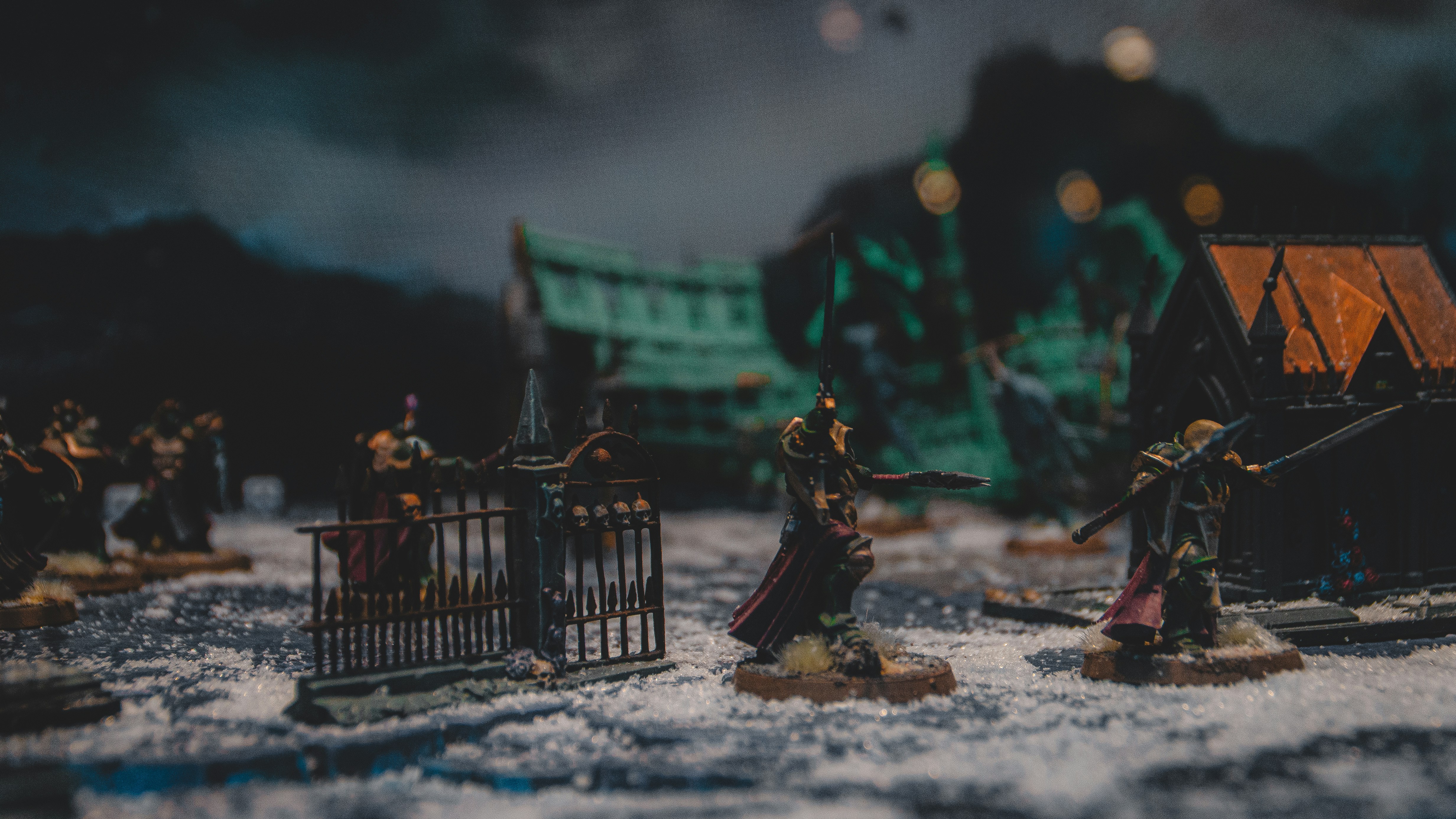
Not all heroes wear shining armor or follow a clear moral compass.
In the world of fantasy, the most unforgettable characters are often the ones who blur the lines between right and wrong. These morally grey heroes don’t fit neatly into the “good guy” mold. They lie, they kill, they make questionable choices — but they also save lives, fight for causes they believe in, and carry emotional scars that make them achingly human.
Whether they’re reluctant saviors, vengeful antiheroes, or cunning strategists with a soft spot, morally grey protagonists keep us turning pages. They make us question our own ethics, challenge traditional fantasy tropes, and show us that sometimes, doing the right thing comes at a terrible cost.
In this post, we’re diving into some of the best fantasy books that feature complex, morally ambiguous heroes. If you love your protagonists flawed, fierce, and fascinating, this list is for you.
What Makes a Hero Morally Grey?
A morally grey hero isn’t your standard noble warrior or selfless savior. They’re the characters who operate in that murky middle ground where ethics bend, personal survival trumps principle, and decisions are made in shades of gray rather than black and white. These are the protagonists who might save a village one day and burn down a city the next, all in the name of a cause they believe is just or simply because it served their interests.
What sets them apart is their internal conflict. They often struggle with guilt, trauma, or a painful past that shapes their worldview. They aren’t evil for evil’s sake, nor are they paragons of virtue. Instead, they’re shaped by harsh realities: war, betrayal, power, vengeance, or a broken system. Their motivations may be noble protecting loved ones, seeking justice, or surviving at all costs but their actions often cross lines that traditional heroes would never even approach.
These characters are unpredictable, and that’s a big part of their appeal. You never quite know what they’ll do next, and that tension keeps readers deeply invested. They reflect the complexity of real human nature how good people can do bad things and bad people can show startling kindness. In fantasy, where clear-cut good vs. evil once dominated the genre, morally grey heroes add depth, nuance, and realism.
Ultimately, what makes a hero morally grey is the refusal to conform to the fantasy archetype of the righteous savior. Instead, they forge their own path flawed, messy, and sometimes dangerous but always captivating.
Top Fantasy Books Featuring Morally Grey Heroes
Fantasy literature is brimming with unforgettable characters, but there’s something especially gripping about those who walk the line between hero and villain. These morally grey protagonists challenge our loyalty and keep us questioning their every move. Here are some standout books that feature complex, layered heroes who refuse to play by the rules.
1. The First Law Trilogy by Joe Abercrombie
If there’s a modern master of grimdark fantasy, it’s Joe Abercrombie. His First Law trilogy is a parade of deeply flawed, captivating characters. Take Logen Ninefingers — a barbarian with a terrifying alter ego known as the Bloody-Nine or Sand dan Glokta, a crippled torturer who used to be a noble swordsman. Both men are shaped by pain, war, and bitterness, and neither is what you’d traditionally call a hero. Yet, they’re magnetic. Abercrombie’s world is gritty and morally bankrupt, and his characters reflect that doing what they must to survive and occasionally, almost reluctantly, doing the right thing.
2. Mistborn Trilogy by Brandon Sanderson
Brandon Sanderson is best known for his intricate magic systems and plot twists, but in Mistborn, he also gives us Kelsier a charismatic leader, skilled Mistborn, and former slave turned revolutionary. Kelsier is easy to love and just as easy to question. He inspires a rebellion against a godlike tyrant, but he’s also manipulative, brutal when necessary, and more interested in symbols than people. His methods blur the line between savior and fanatic, and that’s what makes him so compelling. He’s fighting for freedom, but he’s not afraid to become the monster to take down another.
3. The Poppy War by R.F. Kuang
Rin, the protagonist of The Poppy War, starts as an underdog a war orphan determined to rise above her circumstances. But what begins as a story of empowerment quickly descends into a harrowing tale of power, addiction, and moral decay. As Rin discovers the brutal realities of war and the godlike power within her, she makes increasingly devastating choices. She’s not just morally grey she’s a full-on storm of trauma, rage, and unchecked power. Kuang doesn’t flinch from showing Rin’s descent, making her one of the most haunting characters in modern fantasy.
4. Prince of Thorns by Mark Lawrence
Jorg Ancrath isn’t just morally grey he’s pitch black, soaked in blood and revenge. At thirteen, he’s already committed atrocities, and by the time he’s older, he’s only gotten more dangerous. But through the brutality, Lawrence weaves a tragic backstory that makes Jorg more than a monster. He’s a prince broken by loss, obsessed with power, and driven by a need to never feel powerless again. Readers won’t always like him — but they’ll understand him, and that’s the secret to his allure. You may flinch at his choices, but you’ll keep turning the page.
5. A Song of Ice and Fire by George R.R. Martin
You can’t talk about morally grey characters without mentioning George R.R. Martin’s sprawling epic. In Westeros, no one is entirely good or entirely bad. Jaime Lannister begins as a villain but evolves into one of the most tragic and complex figures in the series. Arya Stark turns her thirst for justice into a cold, calculated path of vengeance. And then there’s Sandor Clegane, the Hound, who’s as much a brute as he is a reluctant protector. Martin’s genius lies in his refusal to give us heroes. Instead, he gives us people deeply human, morally torn, and endlessly fascinating.
6. The Lies of Locke Lamora by Scott Lynch
Locke Lamora isn’t your typical fantasy hero. He’s a master thief, a con artist, and a liar with a silver tongue. But he also has a strange sense of honor one that only applies to those he considers worthy. His schemes often walk the edge of ruin, and his motivations are rarely pure. Yet Locke’s charm, wit, and loyalty to his found family make him impossible to root against. Lynch’s world of heists, politics, and underworld intrigue is the perfect stage for a hero who’s always one step from disaster and one moment from redemption.
The Allure of Ambiguity: Why We Root for the Grey Ones
There’s something deeply satisfying about rooting for characters who don’t always do the right thing. In fact, the appeal of morally grey heroes often lies in their unpredictability. Unlike traditional fantasy protagonists, who may always choose the noble path, these characters are governed by their own internal codes messy, inconsistent, and utterly human. Watching them navigate impossible choices makes for far more compelling storytelling because we’re not sure how they’ll act when the stakes are high. That tension keeps us emotionally hooked.
Part of the allure is relatability. Perfect heroes can feel distant, like ideals we’re meant to admire rather than connect with. Morally grey characters, on the other hand, reflect our own struggles with right and wrong. They’re shaped by trauma, survival instincts, conflicting loyalties, and the consequences of past actions just like real people. When they falter, it feels authentic. When they rise above their darker nature, even momentarily, it’s all the more rewarding.
They also challenge us as readers. We’re forced to grapple with difficult questions: Is the end ever worth the means? Can someone do terrible things and still be good? Do circumstances excuse immorality? These are uncomfortable inquiries, but they elevate the reading experience by making it emotionally and intellectually engaging. Fantasy becomes more than escapism it becomes a reflection of ethical complexity.
Moreover, morally grey heroes often subvert genre tropes. They don’t always win cleanly, and when they do succeed, it’s rarely without cost. This subversion keeps stories fresh and unpredictable. In worlds filled with dragons, gods, and magic, it’s the raw humanity of these flawed characters that feels the most real and sometimes, the most magical.
Honorable Mentions
While the spotlight often falls on big-name protagonists, the fantasy genre is rich with lesser-known or more subtly grey heroes who deserve recognition. These characters may not always take center stage in discussions of moral ambiguity, but they leave a lasting impact with their layered decisions and conflicted hearts.
1. Geralt of Rivia — The Witcher Series by Andrzej Sapkowski
Geralt of Rivia might claim neutrality, but his actions say otherwise. As a monster slayer for hire, he operates on a strict personal code, often refusing to kill sentient creatures or involve himself in human politics. But the world rarely lets him stay neutral. Over the course of the series, Geralt is forced to choose sides, take lives, and confront injustices despite his attempts to stay aloof. What makes him so compelling is that he never seeks to be a hero, yet time and again, he’s forced into that role. And often, doing the “right” thing brings nothing but suffering.
2. Jalan Kendeth — The Red Queen’s War by Mark Lawrence
If Jorg Ancrath is a prince soaked in blood, Jalan Kendeth is the cowardly noble trying to avoid it altogether. Jalan is self-serving, vain, and more interested in pleasure than power hardly heroic qualities. But his journey is one of reluctant growth. Forced into perilous situations alongside a deadly Viking warrior, Jalan’s cowardice slowly peels away to reveal something braver, though not exactly noble. He’s a reminder that heroes aren’t always brave from the start sometimes, they’re dragged into courage kicking and screaming.
3. Orka — The Shadow of the Gods by John Gwynne
In Gwynne’s Norse-inspired epic, Orka stands out as a mother on a brutal quest for vengeance. She’s a seasoned warrior with a dark past, and her single-minded pursuit of her kidnapped son leads her down some morally questionable roads. Orka’s decisions are driven by fierce love and seething rage, and she’s more than willing to shed blood to get what she wants. Her humanity, however, lies in the cracks her grief, her regrets, and the line she’s constantly toeing between protector and executioner.
4. Croaker — The Black Company by Glen Cook
Croaker, the narrator of The Black Company, serves in a mercenary group known for its moral fluidity. As a soldier in a company hired by dark sorcerers, Croaker walks a fine line between loyalty, survival, and conscience. His internal monologue often reflects his discomfort with the choices he and his brothers-in-arms must make. But he continues anyway, because in a world ruled by cruel empires and darker magic, there are rarely clean choices. Croaker’s strength lies in his reflection and doubt, making him one of the earliest examples of a morally complex narrator in modern fantasy.
These honorable mentions prove that fantasy doesn’t need to revolve around crystal-clear definitions of good and evil. Sometimes the most powerful journeys are those taken by characters who stumble, fall, and get back up with blood on their hands and fire in their hearts.
Conclusion
Morally grey heroes are the heart and soul of modern fantasy. They break the mold of traditional storytelling, stepping outside the confines of pure good and evil to explore the raw, complex realities of human nature. These characters don’t always make the right choices. Sometimes, they don’t even try. But in their struggle, their contradictions, and their deeply personal motivations, we find something that feels startlingly real even in the most fantastical of worlds.
What makes these heroes unforgettable isn’t just their darkness it’s the tension between who they are and who they might become. Whether they’re trying to outrun a violent past, justify the cost of a revolution, or simply survive in an unforgiving world, they make us care. We cheer for them not because they’re perfect, but because they are flawed in all the ways that matter.
In the end, morally grey characters remind us that heroism isn’t a straight path. It’s messy, painful, and often paved with compromise. But it’s in that mess in those hard choices and haunted stares that we find some of the most powerful stories in fantasy.
So whether you’re drawn to cunning thieves, brutal warriors, or broken souls trying to do right in a wrong world, there’s a morally grey hero out there waiting to challenge your perspective and steal your heart.
Now it’s your turn: Who are your favorite morally grey characters? Drop your recommendations in the comments let’s build a reading list full of complex, unforgettable antiheroes.
Frequently Asked Questions (FAQs)
1. What does it mean for a character to be “morally grey”?
A morally grey character is someone who doesn’t clearly fall into the traditional categories of “hero” or “villain.” They often make ethically questionable choices, act out of self-interest, or follow personal codes rather than societal norms. These characters may commit dark deeds for what they see as a greater good or vice versa. What makes them compelling is the internal conflict and the realism they bring to the story.
2. Are morally grey characters always antiheroes?
Not necessarily. While many morally grey characters fall into the category of antiheroes, the two terms aren’t completely interchangeable. An antihero typically lacks traditional heroic qualities like nobility, selflessness, or courage, while a morally grey character might still possess those traits but use them in questionable ways. Some morally grey characters can still be considered heroes or even villains depending on the reader’s interpretation.
3. Why are morally grey characters so popular in fantasy fiction?
They resonate with readers because they reflect real-life complexity. In contrast to purely noble or purely evil characters, morally grey protagonists feel more human. They make mistakes, wrestle with their conscience, and grow in unpredictable ways. In the morally complex settings of many fantasy worlds, these characters often feel more authentic and relatable.
4. Is it okay to root for characters who do bad things?
Yes! One of the joys of fiction is exploring moral ambiguity in a safe space. Rooting for a morally grey character doesn’t mean you approve of everything they do it means you’re invested in their story, curious about their choices, and empathetic to their struggles. These characters often challenge readers to think critically about morality, justice, and redemption.
5. Where should I start if I’m new to morally grey heroes in fantasy?
If you’re just diving in, Mistborn by Brandon Sanderson and The Lies of Locke Lamora by Scott Lynch are great starting points. They balance accessible storytelling with complex characters. For darker, more intense reads, try The First Law trilogy by Joe Abercrombie or The Poppy War by R.F. Kuang. Each of these books offers a unique flavor of moral ambiguity.