Fantasy Novels for History Buffs
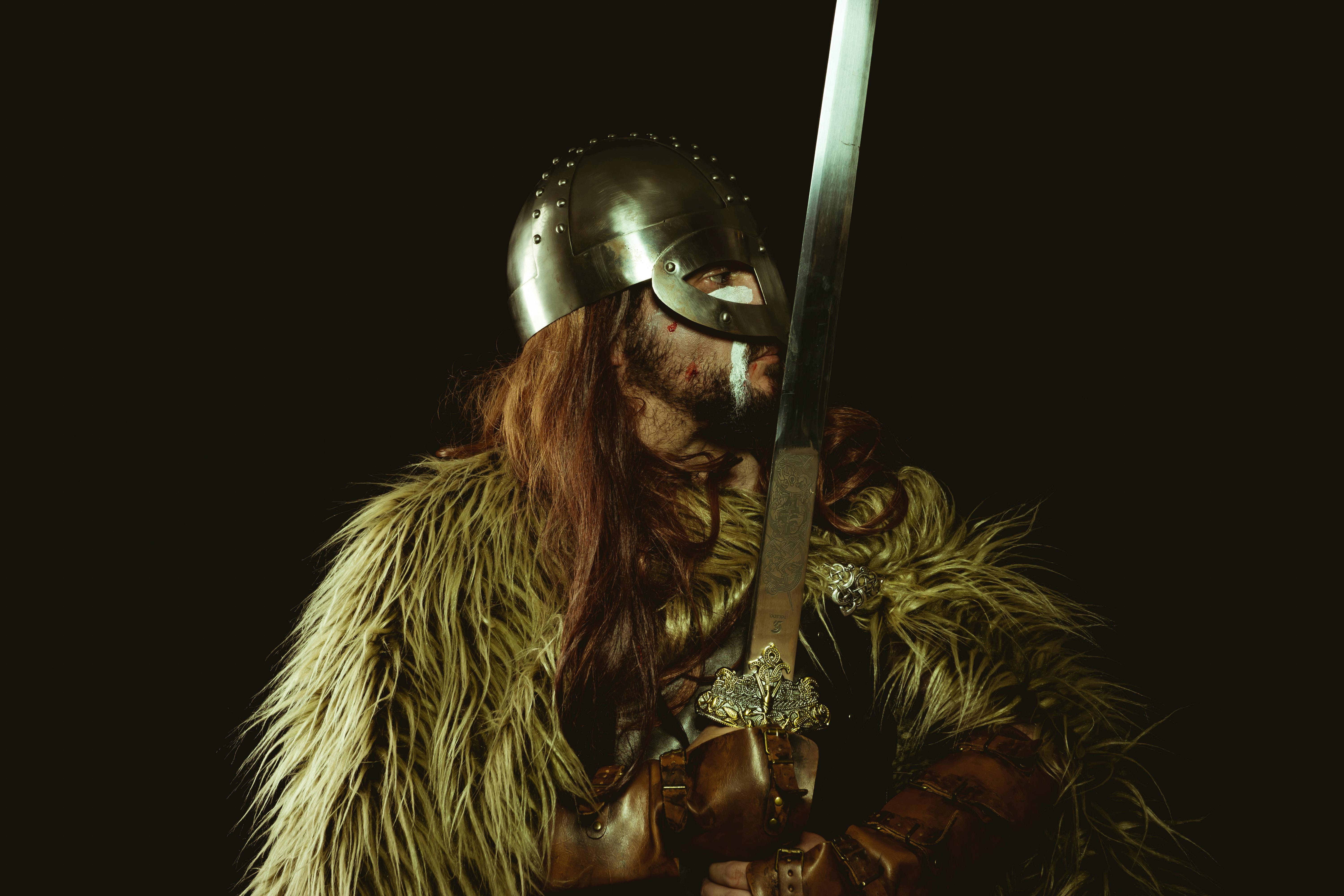
For lovers of history, few things rival the thrill of uncovering the intricate details of ancient empires, epic wars, or long-forgotten dynasties. But what if you could pair that rich historical texture with the wonder of magic, mythical creatures, and fantastical realms? Enter the world of historical-inspired fantasy a genre where meticulously researched timelines and believable politics meet sorcery and swordplay.
Fantasy and history may seem like opposites on the surface one rooted in imagination, the other in facts but the best fantasy novels for history buffs prove otherwise. Many authors draw deep inspiration from real-world events, cultures, and figures, crafting stories that feel both epic and eerily familiar. Whether you’re fascinated by medieval intrigue, fascinated by ancient civilizations, or curious about reimagined revolutions, there’s a fantasy novel that speaks your language.
In this post, we’ll explore a selection of fantasy books that not only offer gripping narratives and immersive worldbuilding, but also echo the rhythms and complexities of actual historical eras. So if you’ve ever wished your history textbook had a bit more magic in it you’re in the right place.
Why History Buffs Will Love These Fantasy Novels
At first glance, history and fantasy might seem like distant cousins one grounded in real-world facts, the other in boundless imagination. But for readers who love the richness of the past, certain fantasy novels offer an experience that’s both deeply familiar and thrillingly new. These stories don’t just invent magical realms; they resurrect the spirit of ancient empires, echo the tensions of religious schisms, and reimagine revolutions with swords and sorcery at their core.
What sets these fantasy novels apart is their commitment to worldbuilding that mirrors the depth and intricacy of actual civilizations. Authors often draw from specific historical periods such as feudal Japan, Renaissance Italy, or 20th-century China using these as blueprints to create societies with layered politics, social hierarchies, and cultural customs. For the history enthusiast, this makes the fantasy world feel not only immersive but plausible, as if it might have once existed in a shadow corner of our own timeline.
Characters in historical-inspired fantasy also tend to reflect real-world complexities. They’re not just heroes and villains they’re diplomats, revolutionaries, generals, and scholars shaped by the ideologies and events of their time. Many of these protagonists navigate the same moral gray areas as figures from history books: they make compromises, forge alliances, and sometimes betray their ideals for the sake of survival or power. This level of depth can be incredibly satisfying for readers who enjoy peeling back the layers of political and personal motivation.
Another point of appeal is the way these novels handle conflict. Instead of relying solely on magical battles or good-versus-evil showdowns, the tension often arises from imperial expansion, religious reformations, class struggles, and nationalist uprisings. These themes so rooted in human history are reframed through a fantastical lens, offering fresh perspectives while still honoring the weight and consequences of historical events.
In short, fantasy novels with historical depth offer the best of both worlds. They allow readers to lose themselves in imagined universes while still engaging with the ideas, structures, and struggles that have defined real human societies. For history buffs, it’s like exploring an alternate past one where dragons may soar overhead, but the political intrigue is all too real.
Top Fantasy Novels with Historical Depth
For the historically inclined reader, not just any fantasy will do. The novels that truly resonate are the ones that pull from real-world events and breathe new life into them through imaginative storytelling. Below are some standout titles that blend historical influence with gripping fantasy elements perfect for readers who crave both accuracy and adventure.
1. The Lions of Al-Rassan by Guy Gavriel Kay
Few authors blend history and fantasy as seamlessly as Guy Gavriel Kay. In The Lions of Al-Rassan, he draws inspiration from medieval Spain during the Reconquista, crafting a world shaped by religious conflict, cultural exchange, and political intrigue. The story centers on three characters from different faiths mirroring Muslims, Christians, and Jews whose personal relationships reflect the broader tensions of their time. While the magic is subtle, the emotional and political stakes are high, making it a poignant exploration of identity, loyalty, and coexistence.
2. Jonathan Strange & Mr Norrell by Susanna Clarke
Set in an alternate version of early 19th-century England, Clarke’s novel immerses readers in a world where magic is returning just as Britain battles Napoleon. Through footnotes, historical figures, and carefully detailed scenes, Jonathan Strange & Mr Norrell evokes the style of a genuine period piece. Its meticulous blend of magical lore and Regency-era manners creates a slow-burning, richly atmospheric tale that reads like Jane Austen with a touch of the arcane. For readers who enjoy the rhythm of historical fiction and the wonder of the supernatural, this is a rare gem.
3. The Poppy War by R.F. Kuang
Inspired by Chinese history particularly the Second Sino-Japanese War and the atrocities of the Rape of Nanking The Poppy War doesn’t shy away from the brutal realities of conflict. R.F. Kuang, a scholar of modern Chinese history, channels that knowledge into a harrowing, high-stakes narrative about power, trauma, and resistance. The protagonist, Rin, rises from poverty to train at a military academy, only to face horrors that blur the line between myth and madness. This is historical fantasy at its most intense: a gut-wrenching, thought-provoking examination of war and empire.
4. The Traitor Baru Cormorant by Seth Dickinson
In this cerebral and emotionally gripping novel, Seth Dickinson explores themes of imperialism, colonialism, and rebellion through the eyes of Baru, a brilliant economist determined to dismantle the empire that conquered her homeland. While the world is fictional, the structures of power and cultural erasure feel painfully real, echoing the strategies of historical colonial regimes. The Traitor Baru Cormorant is less about traditional fantasy and more about systemic oppression, making it a powerful read for those interested in the mechanics of empire and the cost of resistance.
5. A Song of Ice and Fire series by George R.R. Martin
George R.R. Martin’s sprawling epic is arguably the most famous example of fantasy grounded in history. Inspired in part by the Wars of the Roses, the series portrays the deadly game of dynastic power in a world that feels as lived-in and politically complex as medieval Europe. Magic exists, but it’s often overshadowed by brutal warfare, political maneuvering, and personal ambition. Characters face real consequences, and no one is safe a fact that history buffs will recognize from countless real-world power struggles.
6. The Curse of Chalion by Lois McMaster Bujold
Lois McMaster Bujold’s fantasy world takes cues from medieval Spain, specifically during the time of the Reconquista. The Curse of Chalion blends religious mysticism with political drama, centering on a weary nobleman entangled in divine interference and royal intrigue. What makes this novel stand out is its portrayal of a functional religious system that shapes both the characters’ worldview and the course of the plot echoing how faith influenced real historical governance. It’s a thoughtful, character-driven story with just enough divine intervention to blur the line between miracle and manipulation.
Hidden Gems & Lesser-Known Titles
While the spotlight often shines on big-name fantasy series, there’s a treasure trove of lesser-known works that offer just as much historical richness and storytelling brilliance. These hidden gems may not dominate bestseller lists, but for history buffs craving something fresh and immersive, they’re well worth discovering.
1. Under Heaven by Guy Gavriel Kay
Though Kay is a familiar name in historical fantasy, Under Heaven is one of his quieter masterpieces. Loosely inspired by Tang Dynasty China, the novel follows Shen Tai, a man gifted with 250 rare and symbolic horses an honor that quickly entangles him in the perilous politics of the imperial court. Kay’s prose is lyrical and haunting, capturing the grandeur and fragility of a golden age on the verge of collapse. For readers fascinated by dynastic intrigue and poetic philosophy, this novel is a deeply rewarding experience.
2. Between Two Fires by Christopher Buehlman
A dark, atmospheric blend of horror and fantasy, Between Two Fires takes place in plague-ravaged 14th-century France. The protagonist, a disgraced knight, finds himself escorting a mysterious girl who may be the key to humanity’s salvation or its doom. Buehlman doesn’t shy away from the grim realities of the medieval world: famine, superstition, and the ever-present fear of damnation. Yet amidst the bleakness, there’s a strange beauty in the story’s mysticism and moral complexity. History buffs with a taste for the macabre will find this one unforgettable.
3. The Warlord Chronicles by Bernard Cornwell
Though Cornwell is better known for his historical fiction, The Warlord Chronicles trilogy straddles the line between history and myth with masterful precision. A gritty, grounded retelling of the Arthurian legends, the series is set during the collapse of Roman Britain, a time of fractured kingdoms and cultural upheaval. There’s a sense of realism that permeates every battle, political alliance, and religious dispute. Magic exists but it’s ambiguous, filtered through the lens of belief and propaganda. It’s a perfect choice for readers who want their legends served with a side of archaeological plausibility.
These lesser-known titles prove that you don’t need dragons on every page to find fantasy that resonates with historical depth. They take quieter, more contemplative routes through the genre often tackling themes of mortality, legacy, and the cost of belief and in doing so, they offer something profoundly human beneath their fantastical veneers.
Themes to Look Out For
What truly sets historical-inspired fantasy apart isn’t just the settings or historical parallels it’s the themes that echo through time. These novels often explore the same grand ideas that history itself wrestles with: power, identity, belief, and the human cost of change. For readers with a passion for the past, these recurring themes can feel like stepping into familiar territory only with the added dimension of magical or mythical resonance.
Empire and colonialism are central in many of these stories, often depicted through the lens of conquest, cultural assimilation, or resistance. Whether it’s the slow, suffocating tactics of an imperial force in The Traitor Baru Cormorant or the violent upheavals seen in The Poppy War, these narratives provide a way to engage with the consequences of domination and rebellion, filtered through new yet eerily recognizable worlds.
Religious schisms and reformations also appear frequently, especially in books that mirror periods of great societal transformation. In The Curse of Chalion, the divine takes an active role in politics, much like religion often did in medieval Europe. Similarly, Between Two Fires wrestles with faith in a time of plague and despair, painting a picture of a world struggling to reconcile suffering with salvation.
Another recurring theme is dynastic power and succession, particularly in novels that emulate the tangled family trees and brutal feuds of real-world monarchies. A Song of Ice and Fire famously thrives on these elements, but even quieter novels like Under Heaven show how a single inheritance or lack thereof can shift the fate of an empire. These power struggles are never simple, and their complexity is part of what makes them so compelling to readers fascinated by royal history or political drama.
Many of these stories also examine warfare, strategy, and diplomacy in ways that reflect historical realism more than fantasy escapism. Battles are rarely clean or glorious; they’re costly, chaotic, and morally fraught. In The Warlord Chronicles, for instance, Cornwell strips away the glamour of Arthurian combat, presenting it as gritty, desperate survival. This grounding in realism makes even the most fantastical moments feel earned.
Finally, a more subtle but ever-present theme is the idea of cultural clash and synthesis. History is full of moments where civilizations met through trade, conquest, migration, or ideology and reshaped each other. Many of these fantasy novels reflect that same tension and exchange. The Lions of Al-Rassan, for instance, is as much about shared beauty and lost harmony as it is about war. These stories remind us that history isn’t just about conflict it’s also about connection, evolution, and memory.
By recognizing these themes, readers can appreciate how fantasy far from being pure escapism often mirrors the complexity of the real world. These books don’t just entertain; they invite us to reflect on the forces that have shaped our past and continue to shape our present.
Tips for History Buffs Exploring Fantasy
If you’re a history enthusiast who’s curious about stepping into fantasy, the genre can feel both exciting and a little overwhelming. With countless books set in wildly imaginative worlds, it’s not always easy to know where to begin especially if your tastes lean toward historical realism, political nuance, or cultural authenticity. But with a thoughtful approach, fantasy can become a deeply satisfying extension of your historical interests.
A great starting point is low-magic or historical fantasy, where the supernatural elements are minimal or woven so seamlessly into the world that they don’t overshadow the historical core. Books like Jonathan Strange & Mr Norrell or The Curse of Chalion are excellent examples grounded in realistic societies, yet touched by subtle, believable magic. This type of fantasy often mirrors historical fiction in tone and structure, making it more approachable for readers used to nonfiction or straight historical novels.
It also helps to seek out authors with academic or research backgrounds in history or related fields. Writers like R.F. Kuang, Guy Gavriel Kay, and Bernard Cornwell bring a scholar’s eye to their worldbuilding, crafting cultures and conflicts that reflect deep historical knowledge. Their works often feel more authentic because they’re rooted in real-world timelines, ideologies, and human experiences even when dragons or gods make an appearance.
Another strategy is to read with a dual lens exploring both the fantasy novel and the real history that inspired it. For example, while reading The Poppy War, you might dig into the Second Sino-Japanese War or the history of Chinese shamanism. This kind of parallel reading not only deepens your appreciation of the novel, but also gives historical events a new emotional texture. Suddenly, names and dates from a textbook become stories with stakes, characters, and moral ambiguity.
Don’t be afraid to venture outside the Western canon, either. Many of the most innovative historical-inspired fantasy novels pull from underrepresented cultures and time periods ranging from Tang Dynasty China to Islamic Spain. These books often provide fresh perspectives and challenge the familiar tropes of European-centric fantasy, offering something new for even the most well-read history buffs.
Lastly, be open to reinterpretation and myth-making. One of the great joys of historical fantasy is seeing familiar events or eras reimagined with new symbolic or metaphorical layers. Whether it’s a sorcerer shaping the tides of war, or a goddess subtly influencing a royal bloodline, these twists invite us to think more deeply about the stories we tell ourselves about the past and why those stories still matter.
Fantasy, at its best, doesn’t distract from history it illuminates it. With the right approach, even the most fact-focused reader can find themselves enchanted by fictional worlds that echo with the truths of our own.
Conclusion
At their core, both history and fantasy are about stories stories of empires rising and falling, of people caught in the currents of power, belief, and destiny. For history buffs, fantasy offers a unique opportunity to experience those grand themes in vivid, imaginative ways. It allows us to re-examine the past not just as it was, but as it might have been infused with magic, layered with myth, and pulsing with emotional resonance.
The best historical-inspired fantasy novels don’t just borrow aesthetics from the past; they understand it. They dig into the nuances of politics, the weight of tradition, and the fragile nature of cultural identity. These stories are more than escapism they’re mirrors reflecting back the triumphs, tragedies, and complexities of human history.
So whether you’re drawn to the dynastic drama of Westeros, the philosophical depths of ancient China, or the shadowy echoes of plague-era France, fantasy has something profound to offer. It’s a genre where history is not merely remembered but reimagined where swords clash alongside ideologies, and where even the most fantastical worlds feel grounded in something real.
If you’re a history lover who’s yet to explore this genre, consider this your invitation. There’s a vast, magical library waiting for you filled with stories that feel like echoes of the past and glimpses of something greater. All you have to do is open the first page.
Frequently Asked Questions (FAQs)
1. I love historical fiction. Will I really enjoy fantasy?
Yes - especially if you choose fantasy novels grounded in real historical periods or inspired by historical themes. Many fantasy books feature political intrigue, cultural detail, and realistic character development that mirror the best elements of historical fiction. You might be surprised by how much overlap there is.
2. What’s the difference between historical fantasy and fantasy inspired by history?
Historical fantasy typically takes place in a recognizable historical setting but adds magical or supernatural elements (e.g., Jonathan Strange & Mr Norrell in Napoleonic England). Fantasy inspired by history, on the other hand, often builds an entirely fictional world that draws heavily from real cultures or events (like The Poppy War or The Lions of Al-Rassan).
3. I prefer low-magic or no-magic stories. Are there options for me?
Absolutely. Many historical-inspired fantasy novels use magic sparingly or treat it with a sense of realism. Books like The Traitor Baru Cormorant or The Warlord Chronicles focus more on politics, warfare, and human drama, with little to no overt magical elements.
4. Do I need to know the real history behind a book to enjoy it?
Not at all! These books stand on their own. However, if you’re familiar with the historical inspirations, you might pick up on subtle references, parallels, or reimaginings that enrich your reading experience. For many readers, exploring the historical context afterward adds an extra layer of appreciation.
5. Are there fantasy books based on non-European histories?
Yes, and they’re some of the most exciting works in the genre. The Poppy War draws from 20th-century Chinese history, Under Heaven is based on Tang Dynasty China, and The Lions of Al-Rassan mirrors the Islamic and Christian interactions in medieval Spain. Exploring these books can offer a fresh and diverse take on both history and fantasy.
6. Where should I start if I’m new to fantasy?
A great entry point is The Curse of Chalion by Lois McMaster Bujold or Jonathan Strange & Mr Norrell by Susanna Clarke. Both are thoughtful, richly written, and don’t overwhelm with heavy magical systems. If you’re open to a more intense, military-driven narrative, The Poppy War is another strong (though darker) choice.
7. Are these books historically accurate?
While these novels are fiction, many are meticulously researched and reflect historical realities in terms of culture, politics, or conflict. Think of them as imaginative reconstructions or “what if” scenarios fictional worlds built on historical foundations.