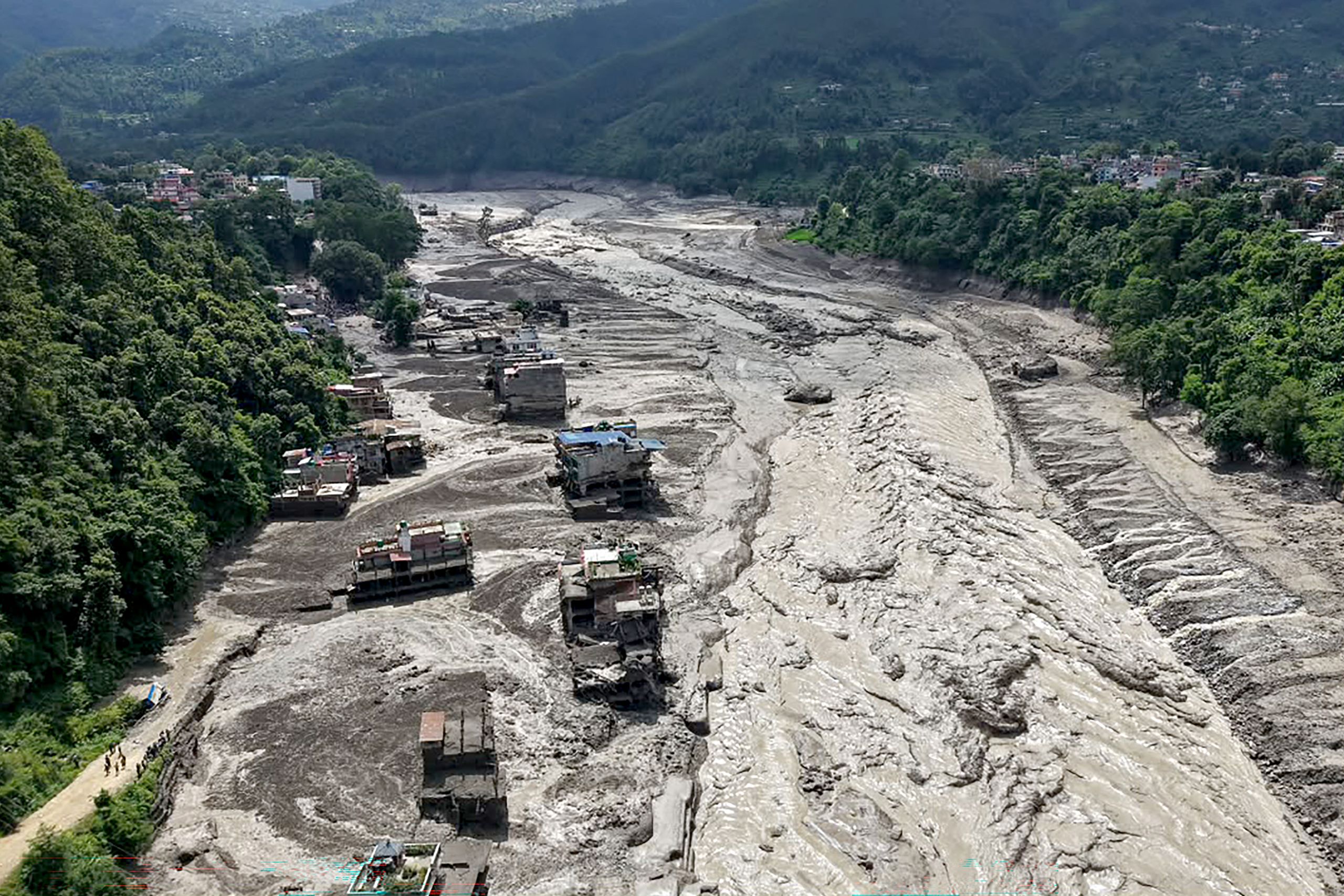
Flood death toll continues to rise as Nepal reels from one of its worst disasters in years
An avalanche on the Chinese side of the border triggered a wall of water with no warning, sweeping through trekking routes and towns along the Bhotekoshi river.
Flood death toll continues to rise as Nepal reels from one of its worst disasters in years
Based on the scale of those unaccounted for, security officials and disaster experts say Wednesday’s flood may rank among the deadliest in Nepal’s modern history.
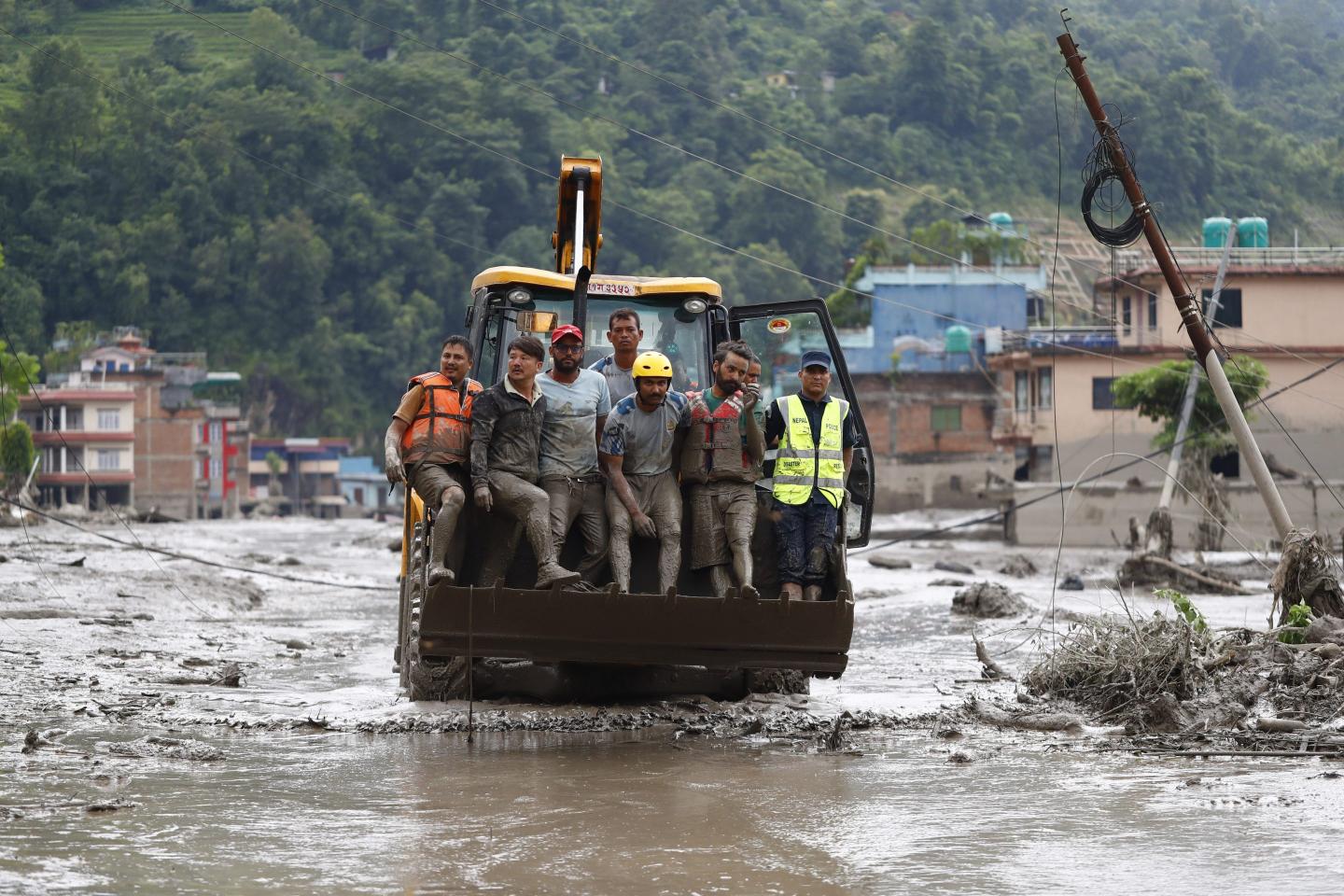
A mid-morning flash flood on the Bhotekoshi river wreaked havoc across three districts on Wednesday, killing scores of people, leaving hundreds, including security personnel and foreign tourists, missing, and sweeping away private and public property in one of the country’s worst disasters in recent years.
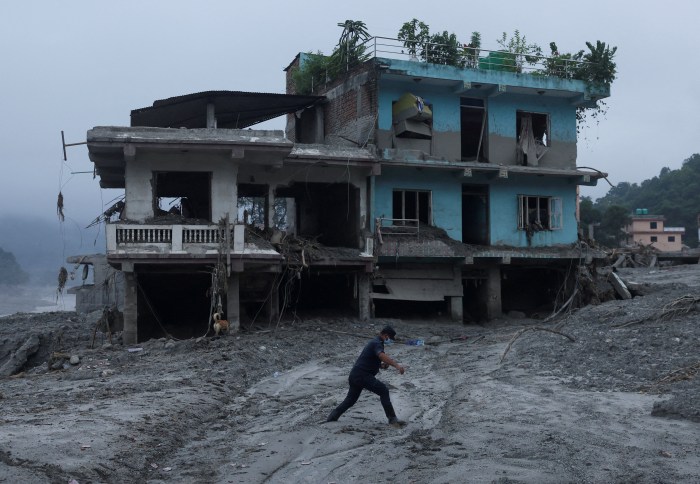
The flood was caused after an avalanche blocked the flow of the Lhende tributary of the Bhotekoshi and first hit Timure, near Nepal’s border with China at Rasuwagadhi. Much of the settlement, home to hundreds of people, was swept away before the flood surged downstream. With no rainfall reported in the area, residents had no warning of the disaster and were going about their daily routines when the flood struck.
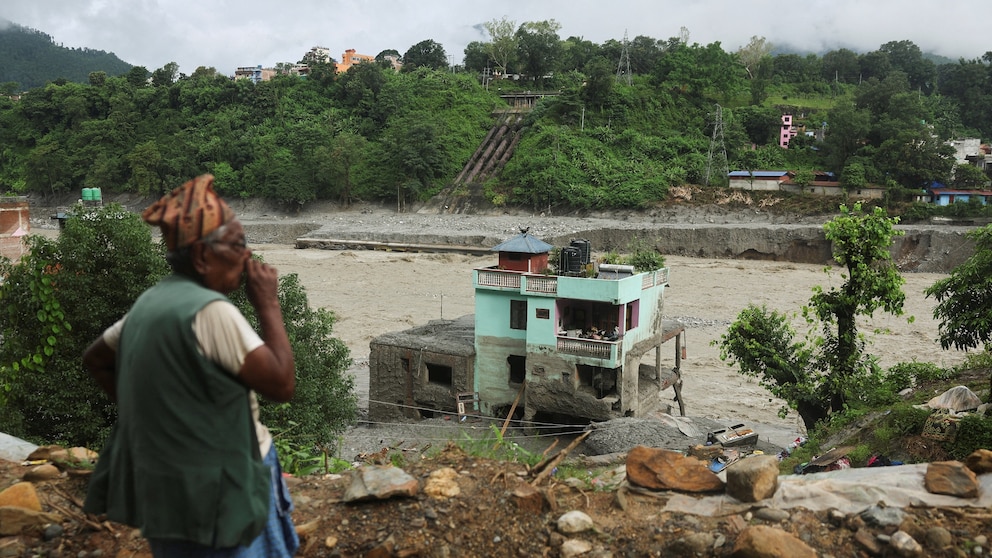
Rajendra Dhungana, chief customs officer in Rasuwa, said he first thought an earthquake had occurred when he felt the ground shake on Wednesday morning. When he ran outside, he saw a wall of water, trailing what looked like a plume of smoke, crashing down from upstream, bearing down on the Timure bazaar.
“It was the flood, rising like a wave nearly 100 metres high and sweeping through the market,” Dhungana told the Post. “Within moments, the market was gone.”
As the scale of the disaster became apparent, Dhungana and dozens of others fled into the nearby forest. More than 300 vehicles and trucks waiting at the customs checkpoint were washed away.
As the flood moved towards Syaphrubesi and downstream, it devoured almost everything in its path along the river, including people, animals, buildings and public infrastructure. A statement from the Prime Minister’s Office shows hundreds of individuals, including 391 foreigners and 44 security personnel, have gone missing.
The automatic flood-monitoring stations installed in the upper reaches of the Bhotekoshi river were also swept away by the flood. Post Photo
Wednesday’s floods have destroyed nine hydropower projects and an equal number of branches of commercial banks. A preliminary report shows 19 motorable bridges and 40 kilometres of highway have been swept away in the flood, with no accounts of the private and public properties so far.
Based on the scale of those unaccounted for, security officials and disaster experts say Wednesday’s flood may rank among the deadliest in Nepal’s modern history—potentially surpassing every disaster since the 1993 floods in Sarlahi, Rautahat and Makawanpur, which killed 1,400 people and have long stood as the country’s benchmark disaster.
Ravindra Nepal, ward 7 chair of Bidur Municipality in Nuwakot, said the flood wiped out hundreds of houses from Sole to Akkare Bazaar. He said some people managed to escape to safety, but many elderly people and children remain unaccounted for.
“I have been stranded at the municipal building since early morning,” he said. “There is no road or bridge left to get home.”
Gokarna Adhikari, a resident of Dandathok Tupche in Bidur Municipality-7, said nothing was left in his village. Most of the people he knew were still unaccounted for. Only a few houses in Karmetar, between Sole and Akkare Bazaar, remain standing, he added. “Even the houses that look intact from a distance are completely covered in mud and debris.”
A flood struck the same river last year and the destroyed areas had yet to return to normal. Last year’s flood in the Lhende river on July 8 had killed at least 11 people while washing away sections of the road at several places along this stretch. It had swept away the Miteri Bridge connecting Nepal and China.
Authorities say a lack of proper information about the flash flood caused the huge loss of life and property. Officials at the Rasuwa District Administration Office say they had no clue about the flood that originated in Tibet.
The incident has raised a fundamental question: Should downstream communities be warned only after a major flood has entered Nepal’s rivers, or should there be a mechanism to receive information as soon as an incident occurs in the vulnerable Himalayan region? The problem is not limited to information sharing between Nepal and China. Even equipment installed by Nepal on its own territory appears to have failed to send warnings before the flood struck.
Anil Pokhrel, former executive chief of the National Disaster Risk Reduction and Management Authority, said similar problems had occurred in the past when floods originated on the Chinese side but the issue was not taken seriously enough. “We still don’t know how much risk remains,” he told Kantipur. “Unless the Foreign Ministry of Nepal coordinates with the relevant Chinese authorities and creates a system through which early warnings reach our disaster management authority, this problem will continue.”