Brighten Your Garden with Cheerful Black-Eyed Susans
If you are looking to inject a burst of sunny yellow into your garden with minimal effort, look no further than the Black-Eyed Susan (Rudbeckia hirta). A staple of North American wildflowers, this hardy perennial is a favorite among both novice gardeners and seasoned landscapers.
Here is why you need these golden beauties in your yard this season.
Why Grow Black-Eyed Susans?
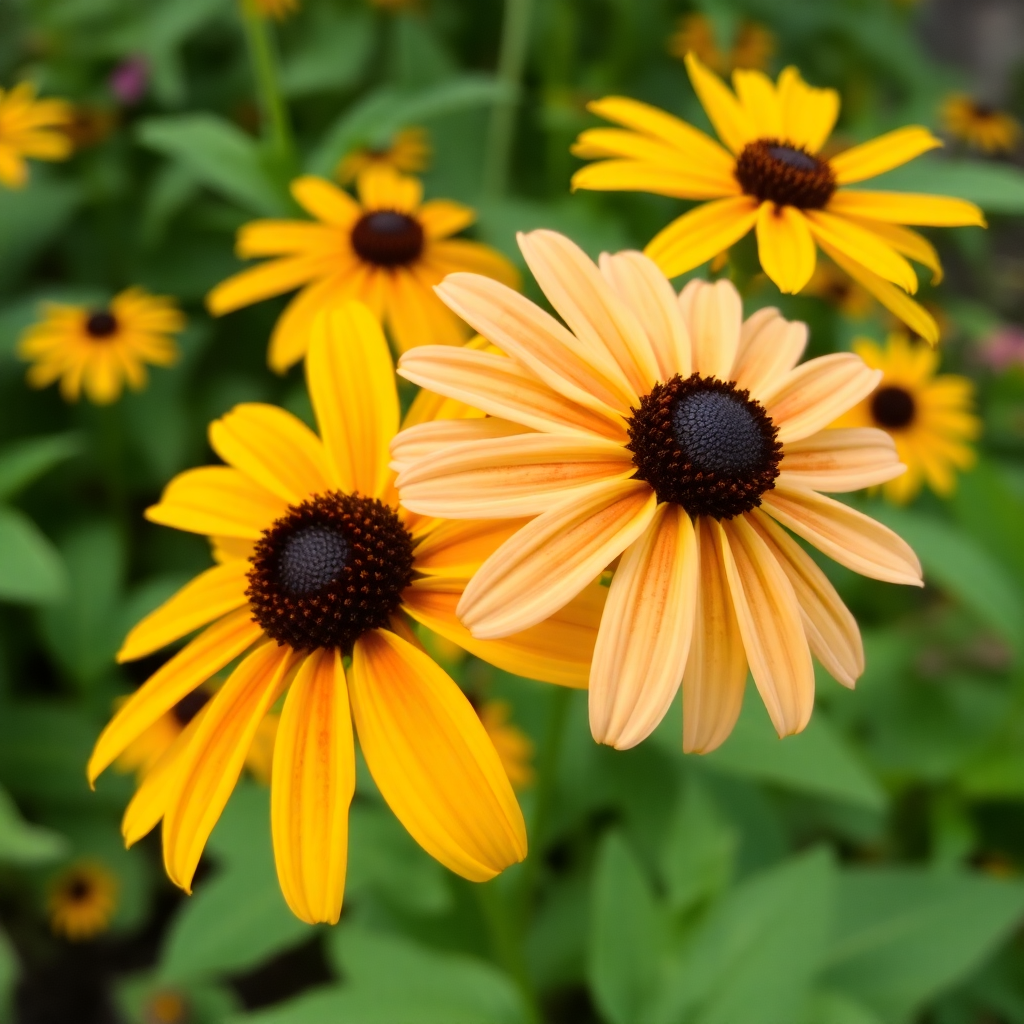
Dazzling Aesthetics: Featuring bright golden-yellow petals surrounding a distinctive dark brown or black central cone, these flowers truly live up to their name. They bring a classic, rustic charm to any landscape.
Low Maintenance: Once established, Black-Eyed Susans are remarkably drought-tolerant. They thrive in full sun and well-draining soil, making them an ideal choice for busy gardeners or xeriscaping.
Pollinator Magnets: If you want to support local wildlife, these blooms are essential. Bees, butterflies, and other beneficial pollinators flock to their nectar-rich centers throughout the summer.
Exceptional Longevity: Blooming from mid-summer well into the fall, Black-Eyed Susans provide long-lasting color when many other spring flowers have already faded. Plus, they make fantastic, long-lasting cut flowers for indoor bouquets!
Tips for Success
Plant your seeds or transplants in the spring after the last threat of frost has passed. While they are tough plants, giving them a layer of mulch helps retain moisture during the hottest summer months. Deadheading—snipping off spent blooms—will encourage even more flowers to sprout, extending your garden’s vibrant display right up until the first autumn frost.
Bring Sunshine Home
Whether planted in a sprawling wildflower meadow, a structured cottage garden, or a simple patio container, Black-Eyed Susans offer effortless beauty. Plant a patch today and enjoy seasons of resilient, golden cheer right outside your window!