Brighten Up Your Garden With the Dazzling Ranunculus Flower
If you are looking to add a pop of vibrant, multi-layered color to your garden or floral arrangements, look no further than the Ranunculus flower. Often referred to as Persian buttercups, these stunning blooms are a favorite among florists and gardeners alike for their striking resemblance to miniature roses or peonies.
Why You’ll Love Ranunculus
Native to Central and Southwestern Asia, ranunculus flowers are renowned for their densely packed, tissue-paper-thin petals. Available in an almost dizzying array of colors—ranging from soft pastels like blush pink and cream to bold, dramatic shades of red, orange, and yellow—they make a breathtaking statement wherever they are planted.
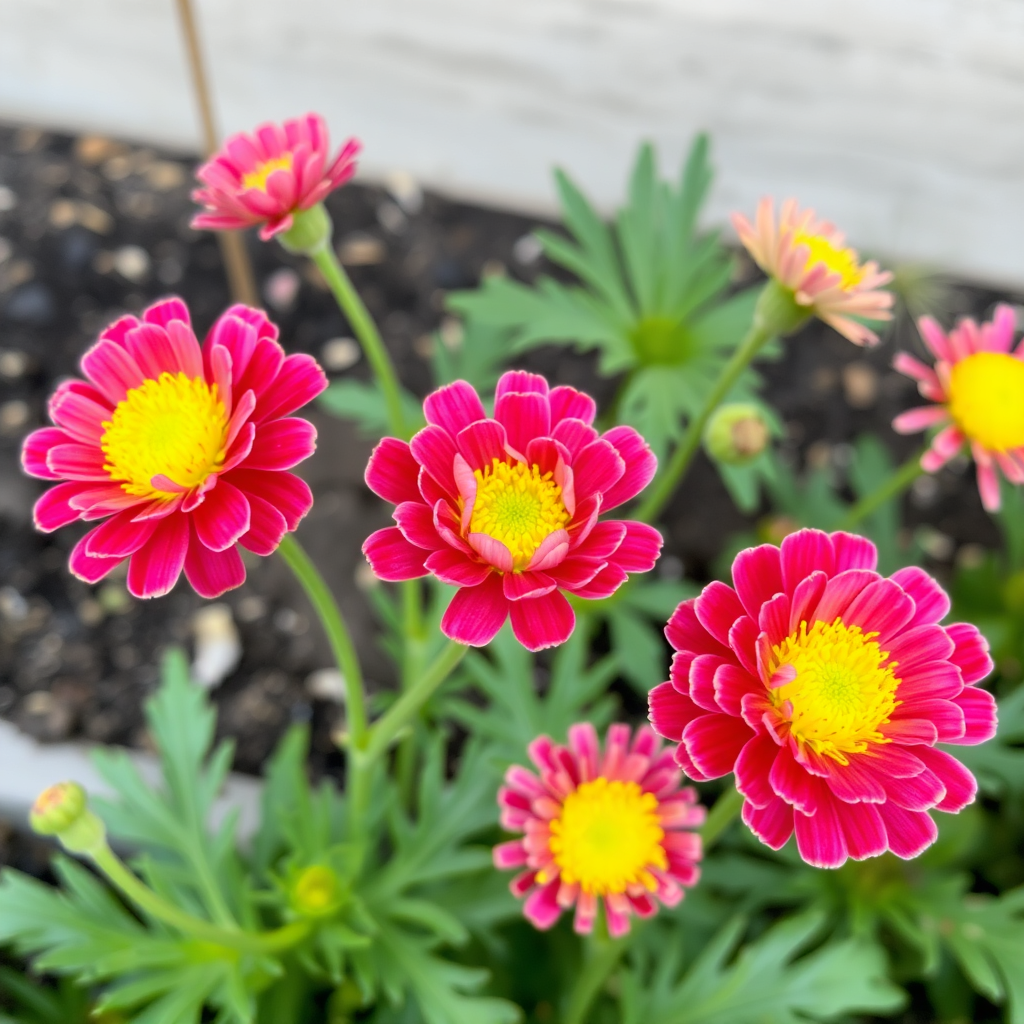
Beyond their undeniable beauty, ranunculus blooms boast impressive vase life. When cut, they can easily last up to a week or two, making them a staple in springtime bouquets and wedding floral design.
Growing Tips for Success
While they look delicate, growing ranunculus is quite rewarding if you follow a few basic guidelines:
- Timing: In cooler climates, plant ranunculus corms (which look like tiny claws) in the early spring. In milder winter regions, you can plant them in the fall for an earlier spring bloom.
- Sunlight: These flowers thrive in full sun, requiring at least six hours of direct sunlight daily.
- Soil: They prefer well-draining soil. Soggy soil is the number one enemy of ranunculus, as it can cause the tubers to rot.
- Watering: Water them moderately once growth appears, keeping the soil evenly moist but never waterlogged.
Whether you plant them in garden beds, borders, or patio containers, the cheerful ranunculus is guaranteed to elevate your outdoor space. Add these showstoppers to your planting list this season, and enjoy a garden bursting with layered elegance!
Ranunculus flowers are absolute showstoppers! Their paper-thin, layered petals really do look like nature’s masterpiece almost like a cross between a rose and a peony. Thanks for including the practical growing tips; keeping the soil well-drained is definitely key to avoiding root rot with those claw-like corms. Excellent write-up and inspiration for the upcoming planting season!
0.00 SBD,
9.46 STEEM,
9.46 SP