Title: Food and Literature: How Meals Shape Narrative
Food is rarely just food in literature. From the madeleines that unlock Marcel Proust’s childhood in In Search of Lost Time to the elaborate feasts in the Harry Potter series, meals serve as powerful literary devices. Across genres, authors use food to define character, drive plot, and explore deep cultural themes.
Revealing Character and Culture
What characters eat—and how they eat—tells readers volumes about who they are. In Jane Austen’s novels, the distribution of tea and dinner invitations highlights social hierarchy and manners. A lavish banquet in fantasy literature can signal opulence, decadence, or impending doom, while a meager crust of bread shared in a dystopian novel emphasizes survival and solidarity.
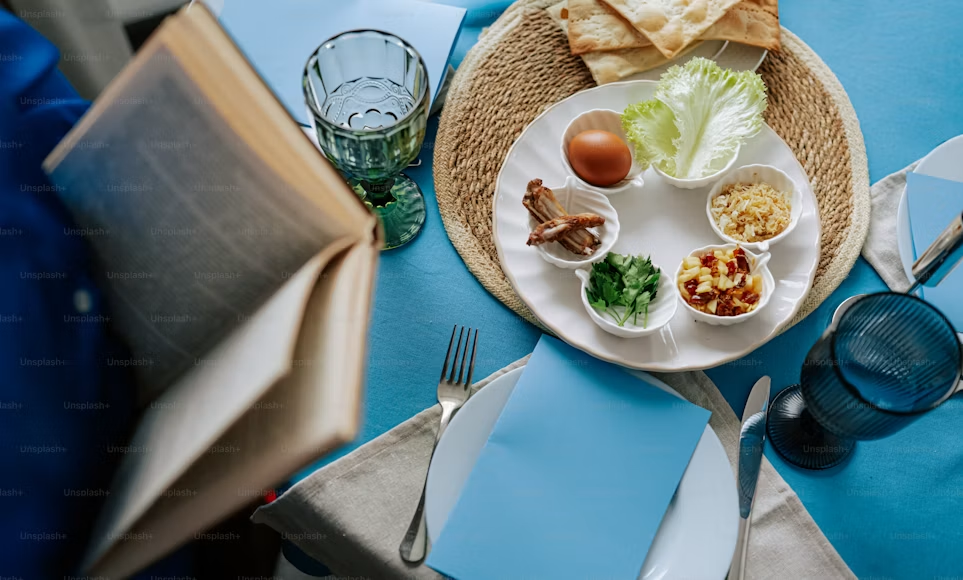
Food also roots a narrative in a specific time and place. Culinary descriptions engage the senses, transforming abstract settings into vibrant, living worlds. When Laura Esquivel weaves traditional Mexican recipes into each chapter of Like Water for Chocolate, food becomes an emotional language, directly transferring the cook's feelings to those who consume the meal.
Advancing the Plot
Meals are natural catalysts for conflict and connection. Think of the tension-filled family dinners in contemporary drama or the celebratory banquets that mark the resolution of a quest in epic fantasy. Dining scenes bring characters together in a confined space, forcing interaction. Secrets are revealed over wine, alliances are forged over breakfast, and betrayals happen across the banquet table.
The Ultimate Comfort
Ultimately, food in literature acts as a universal bridge. It connects the fictional world to the reader’s own lived experience, invoking nostalgia, hunger, and empathy. As long as stories are told, sharing a meal on the page will remain one of the most intimate ways to bring characters—and readers—together.