The Role of Probiotics in Human Health
Probiotics—live microorganisms that confer a health benefit when consumed in adequate amounts—have moved from niche supplement to mainstream wellness staple. Their influence stretches far beyond “good gut bacteria,” touching everything from digestion to immune resilience and even mental balance. Below, we unpack why the science backs probiotics and how to make them work for you.
- Gut Microbiome Balance
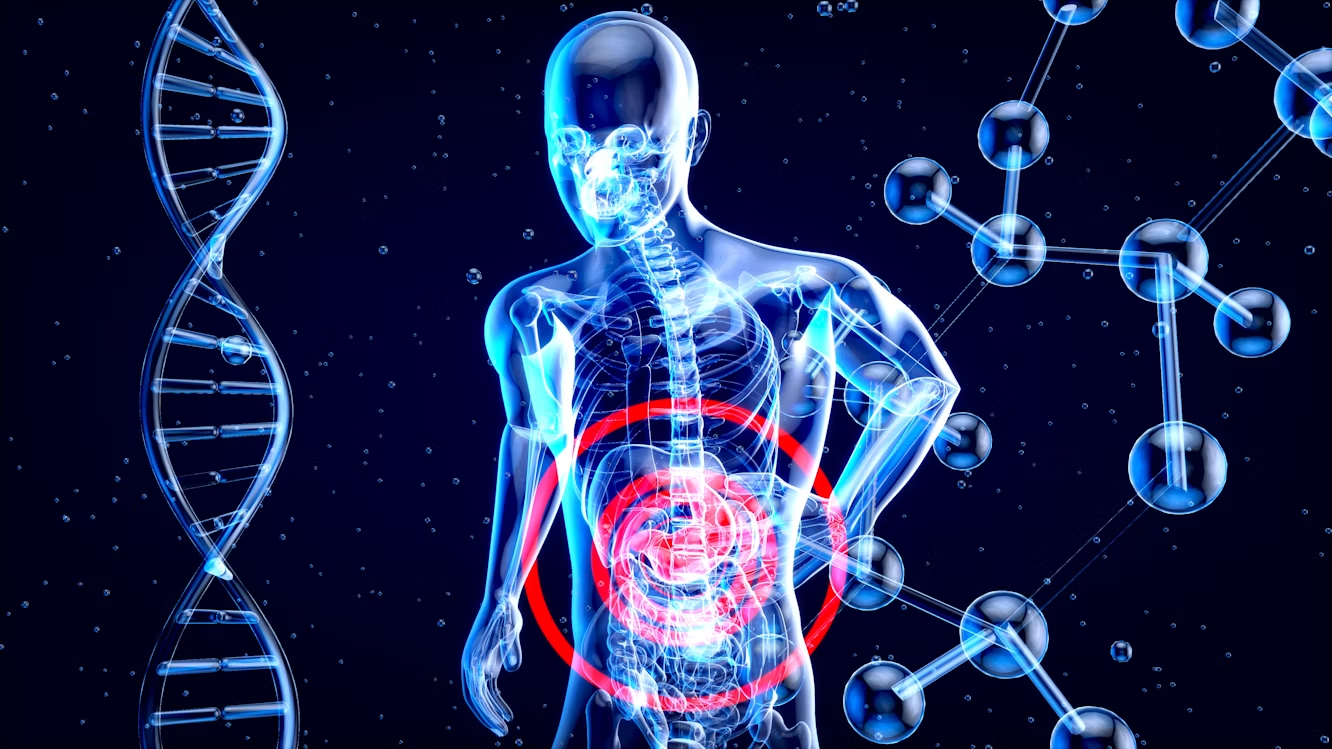
The human gut hosts ~ 100 trillion microbes that help break down food, synthesize vitamins, and fend off pathogens. When this ecosystem is disrupted (by antibiotics, stress, poor diet), dysbiosis can trigger bloating, irregular bowel movements, and nutrient malabsorption. Targeted probiotic strains—Lactobacillus and Bifidobacterium—re‑populate the colon, restoring a diverse, stable microbiome and promoting smooth digestion.
- Immune System Support
Roughly 70 % of the body’s immune cells reside in the intestines. Probiotics interact with gut‑associated lymphoid tissue, stimulating the production of anti‑inflammatory cytokines and enhancing the barrier function of the intestinal lining. Studies consistently show that regular probiotic intake can reduce the duration of common colds and lessen the severity of seasonal allergies.
- Metabolic & Weight Management
Certain probiotic strains influence how the body processes fats and sugars. For example, Lactobacillus gasseri has been linked to modest reductions in abdominal fat, while Bifidobacterium species help regulate appetite‑related hormones such as GLP‑1 and peptide YY. Incorporating probiotics with a balanced diet may aid weight‑maintenance goals.
- Mental Health Connections
The “gut‑brain axis” is a two‑way communication highway between the gastrointestinal tract and the central nervous system. Probiotic consumption has been associated with lower scores on anxiety and depression scales, likely via the production of neurotransmitters (e.g., serotonin) and reduction of systemic inflammation.
How to Choose the Right Probiotic
Factor Recommendation
Strain specificity Look for products that list exact strains (e.g., Lactobacillus rhamnosus GG).
CFU count 5–10 billion CFU per serving is a solid baseline for general health.
Survivability Choose formulations with enteric coating or freeze‑dry technology to ensure bacteria reach the colon alive.
Third‑party testing Verify potency and purity through independent lab results.
Bottom line: Probiotics are a scientifically validated tool for nurturing a balanced gut microbiome, bolstering immunity, supporting metabolism, and even enhancing mood. Pair a high‑quality probiotic with fiber‑rich foods, adequate hydration, and a low‑stress lifestyle to unlock their full potential.
Keywords: probiotics, human health, gut microbiome, immune system, digestive health, benefits of probiotics, probiotic strains, gut‑brain axis.
En la foto del microbioma aparecen ~100 trillones de microbios; la ciencia dice que esa cifra respalda la necesidad de re‑poblar con cepas como Lactobacillus gasseri, que en mi rutina uso para apoyar la gestión de grasa abdominal. Cada cuerpo responde distinto, pero el beneficio de una barrera intestinal más fuerte es evidente.