France Protests 2026: Macron Tightens Restrictions Amid Violent Unrest
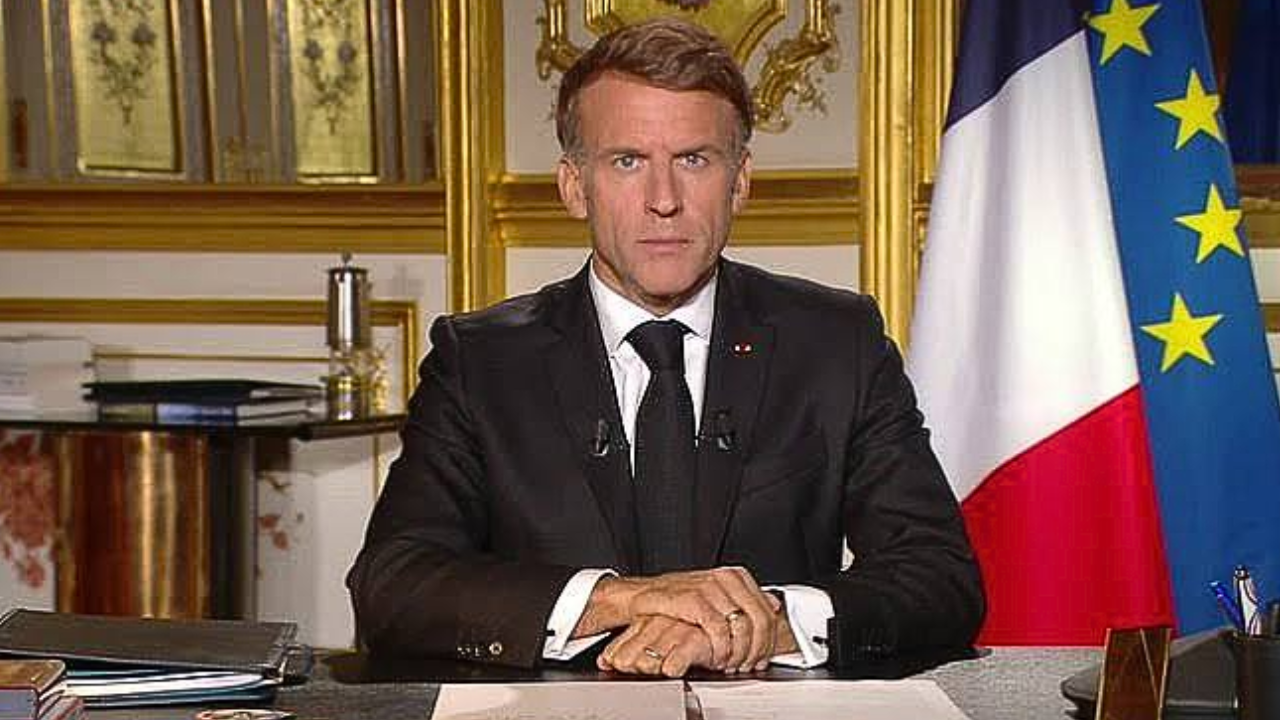
French president emmanuel macron has announced tougher restrictions on demonstrations following violent unrest and looting across france. the decision comes as authorities prepare for fresh protests and attempt to restore public order ahead of the 2027 presidential election.
Macron Announces New Protest Restrictions
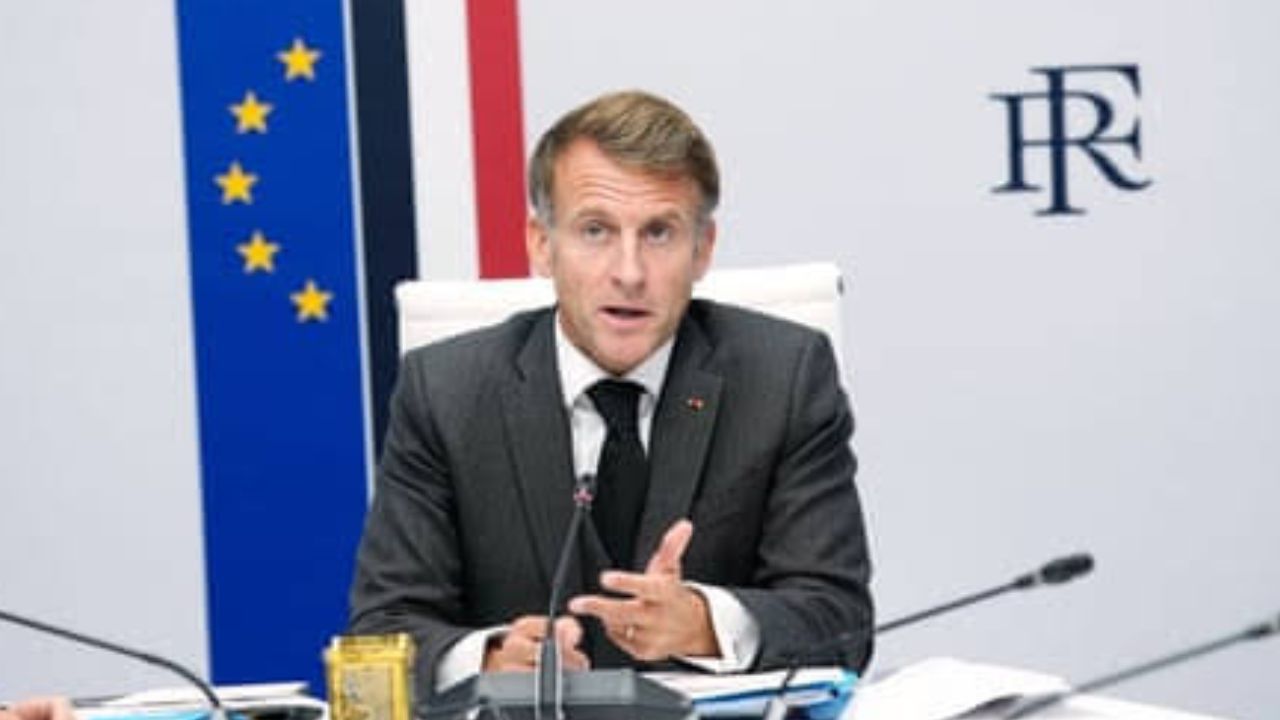
On october 22, macron said demonstrations considered illegitimate would be banned in the coming days. he blamed far-left groups and vandals for the recent violence, while confirming that authorised trade union demonstrations could continue, potentially using alternative routes to protect businesses and public buildings.
Authorities in lyon have already banned demonstrations planned for saturday. in paris, businesses are strengthening security measures as student organisations and the yellow vest movement prepare further rallies.
France Faces Growing Public Anger
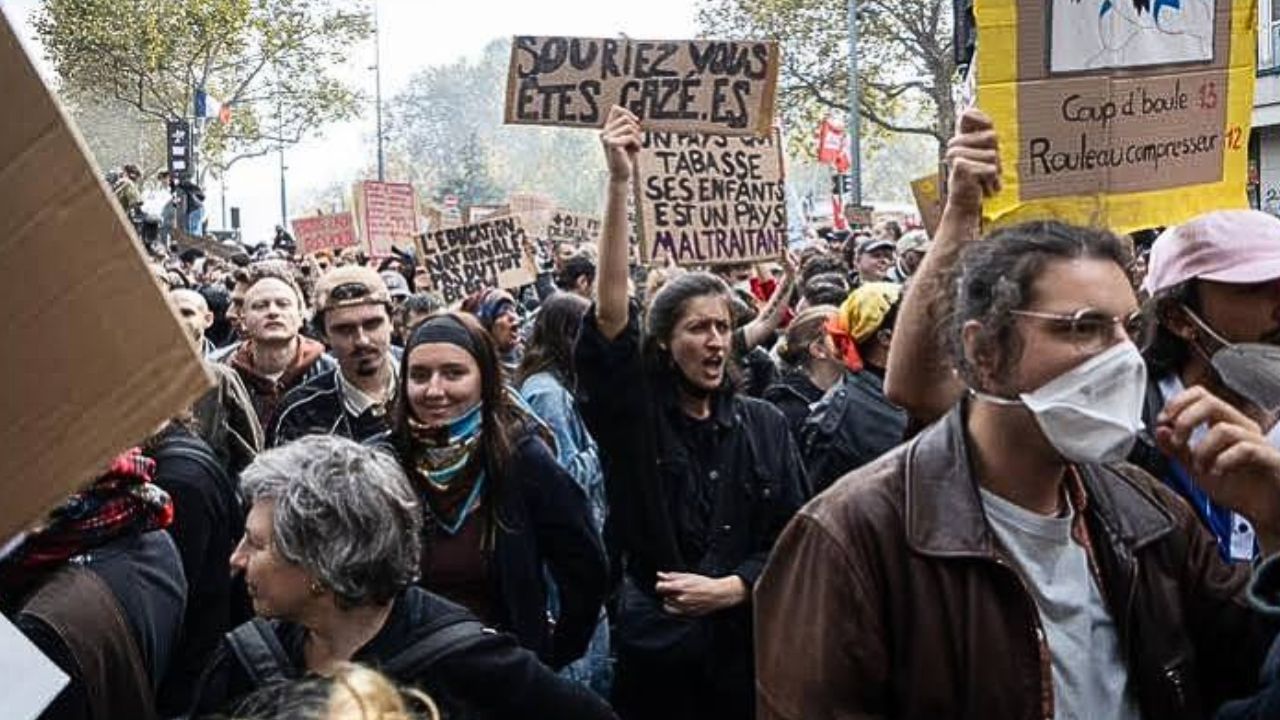
The latest unrest follows violent incidents on october 17, when demonstrations in several french cities escalated into clashes, looting and property damage. the events raised concerns about public safety and the effectiveness of police responses.
However, the crisis extends beyond law-and-order concerns. rising energy prices, pressure on household budgets and dissatisfaction with public services have contributed to growing frustration among workers and young people.
Political Tensions Increase Ahead of 2027
The french government has accused far-left groups of encouraging disorder, while critics argue that economic and social grievances require political solutions rather than restrictions alone.
The unrest presents a major challenge for macron's government as france approaches its next presidential election. authorities must balance public security with citizens' democratic right to peaceful protest.
Conclusion
France protests in 2026 highlight growing political divisions and economic concerns. macron's stricter measures aim to prevent further violence, but the government's response and its ability to address public dissatisfaction will remain central issues in the coming months.