How to Prepare Furniture for a Safe Move
Furniture moving often looks simple until a sofa blocks a stairwell, a table will not fit through a doorway, or a heavy cabinet needs to cross a narrow hallway. Good planning protects the furniture, the home, and the people handling the move.
Start by measuring, sorting, and documenting each large item. Then compare movers by reviewing packing methods, access plans, equipment, and written terms.
Create a Furniture Inventory
Walk through every room and list the items that need moving.
Include:
• Sofas and sectionals
• Beds and mattresses
• Dining tables
• Desks
• Bookcases
• Dressers
• Cabinets
• Patio furniture
• Artwork and mirrors
• Pianos
• Pool tables
• Exercise equipment
• Antiques
Note the condition of each piece. Take photos of scratches, dents, loose joints, and worn fabric before moving day.
An inventory helps the mover plan truck space, labor, padding, and special handling. It also supports a clear review after delivery.
Measure Furniture and Openings
Measure the width, height, and depth of each bulky item. Then measure doorways, hallways, stair turns, elevators, and gates.
Do not forget:
• Door handles
• Railings
• Ceiling height above stairs
• Tight landings
• Low light fixtures
• Elevator doors
• Loading dock clearances
• Building entry steps
A sofa that fits through a doorway might fail at the next turn. A tall cabinet might need to travel on its side, which changes the required space.
Share measurements with the mover before the job. Photos of stairs and entry routes also help.
Decide What Should Move
Moving every item is not always practical. Large furniture takes truck space and adds labor. Some pieces also fit the old home better than the new one.
Ask yourself:
• Does it fit the new room?
• Does it fit through the new entry?
• Is it worth repairing?
• Does it need special handling?
• Will it survive disassembly?
• Is storage needed?
• Does it hold personal or resale value?
Arrange donation, sale, recycling, or removal before moving day. Do not leave these decisions until the crew arrives.
Plan Disassembly
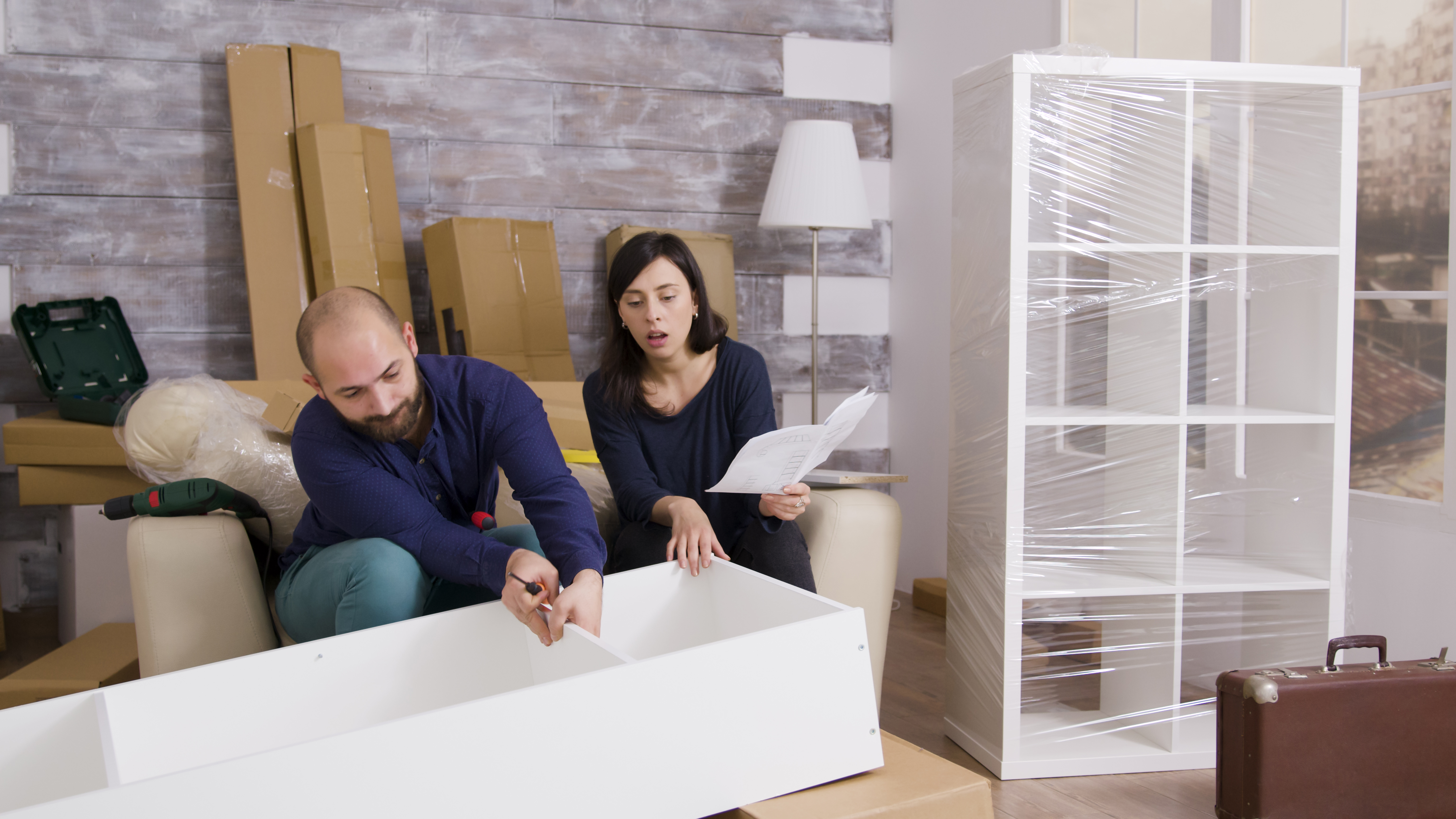
Many beds, tables, shelving units, and sectional sofas move more safely after disassembly.
Check manufacturer instructions when available. Photograph connections before taking pieces apart.
Place screws, bolts, brackets, and small parts in labeled bags. Attach each bag to the matching furniture piece or place all hardware in one marked container.
Do not disassemble antiques or complex mechanisms without proper knowledge. Some furniture relies on glued joints, delicate veneers, or hidden fasteners.
Ask the mover which pieces the crew will disassemble and reassemble. Confirm whether this work appears in the estimate.
Empty Furniture Before Moving
Remove items from drawers, cabinets, desks, and shelves unless the mover gives different written instructions.
Books, dishes, tools, and loose objects add weight. They also shift during transport and damage interiors.
Remove:
• Glass shelves
• Loose drawers
• Adjustable shelves
• Electronics
• Lamps
• Framed photos
• Liquids
• Cleaning products
• Personal records
• Jewelry and cash
Pack removable parts separately. Label them by room and furniture item.
Protect Fragile Surfaces
Wood, glass, stone, metal, leather, and fabric need different protection.
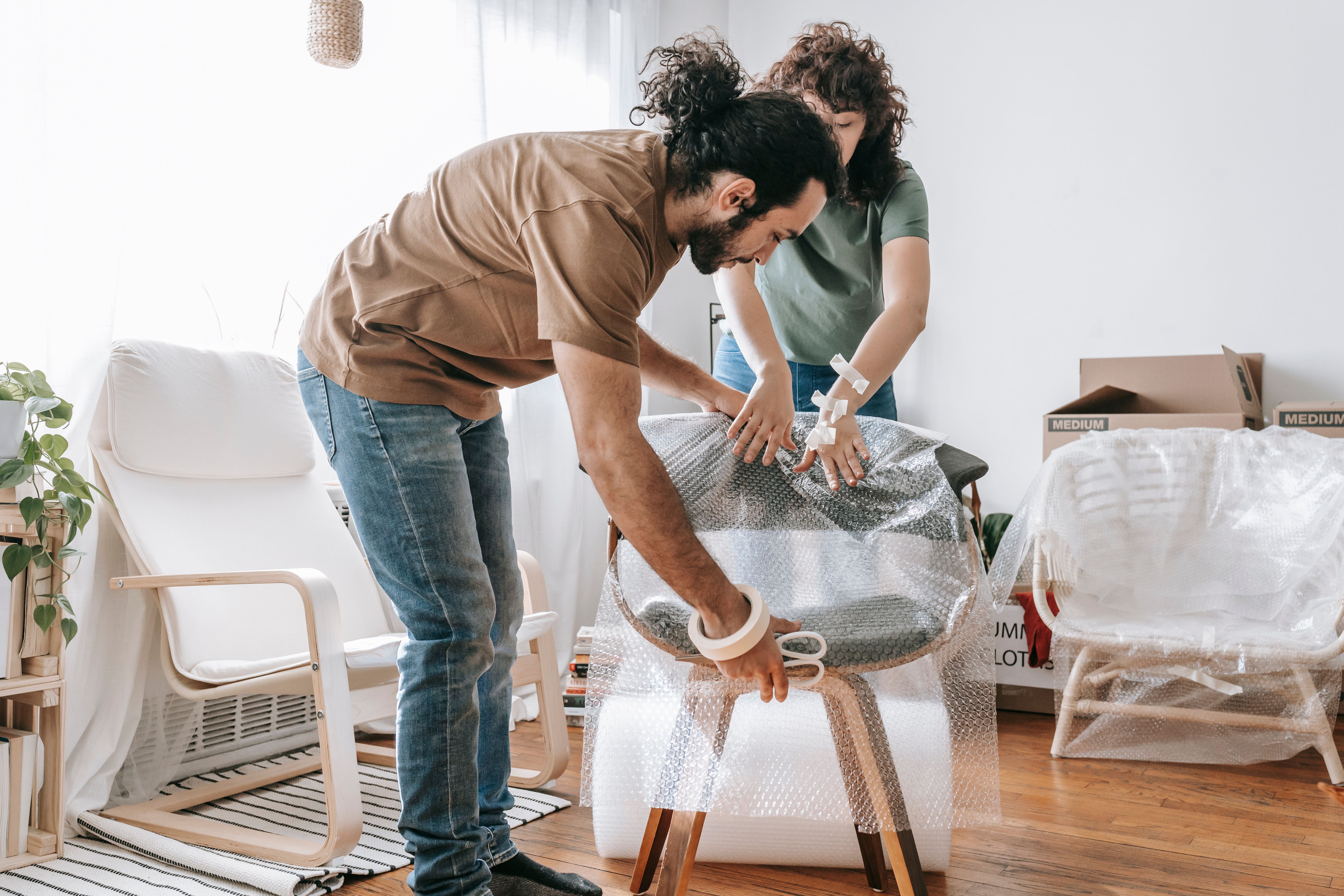
Moving blankets help guard finished surfaces. Stretch wrap helps hold drawers and doors closed, though it should not rest directly against certain delicate finishes for long periods. Corner guards protect sharp edges. Mattress bags reduce dirt and moisture exposure.
Glass tabletops and mirrors need upright handling with suitable padding. Stone tops need support because weight and weak points create breakage risk.
Ask how the mover will protect:
• Polished wood
• Painted furniture
• Leather
• Marble or stone
• Glass
• Upholstery
• Antiques
• Metal legs and frames
Do not tape directly onto finished furniture.
Protect the Home
Furniture damage is only part of the risk. Walls, floors, doors, railings, and elevators also need protection.
Ask whether the crew will bring:
• Floor runners
• Door jamb guards
• Corner protection
• Stair rail padding
• Elevator wall pads
• Ramp protection
• Weather covers
Check building rules before moving day. Condominiums and apartments often require elevator reservations, insurance documents, assigned loading areas, and limited work hours.
In San Francisco and other Bay Area cities, narrow streets, steep hills, tight driveways, and limited parking affect truck access. A mover needs the address details before arrival.
Review Parking and Access
A moving truck needs safe space near the entry. Long carries from the truck to the door add work and expose furniture to weather and street activity.
Check:
• Street parking rules
• Loading zones
• Driveway clearance
• Overhead branches
• Gate width
• Building docks
• Elevator reservations
• Stairs
• Steep slopes
• Shared entrances
Tell the mover about hills and sharp turns. A large truck might not fit every Bay Area street or driveway.
Ask who handles parking permits where required. Confirm the planned truck size and loading location.
Plan for Weather
Rain, fog, heat, and wind affect furniture moving.
Cover upholstered items before they leave the building during wet weather. Keep wood furniture away from standing water. Protect boxes and fabrics from damp pavement.
Strong wind creates trouble with mattresses, large panels, and lightweight furniture. Inland Bay Area heat also affects crews and items left inside a parked truck.
Ask how the mover handles weather delays and exposure. Keep towels, floor coverings, and an indoor staging area ready.
Identify Special Items
Some objects need extra labor, equipment, or outside specialists.
Examples include:
• Pianos
• Pool tables
• Safes
• Large artwork
• Aquariums
• Motorized beds
• Oversized cabinets
• Medical equipment
• Antique clocks
• Heavy stone tables
Give the mover exact dimensions, estimated weight, photos, and access details. Do not assume these items belong in a standard furniture move.
Pool tables often need disassembly and leveling. Pianos need suitable equipment and route planning. Safes place concentrated weight on floors and ramps.
Compare Moving Providers
Give each mover the same inventory, photos, addresses, dates, and access notes.
While comparing furniture moving providers, the Advantage Moving & Storage company report offers a neutral research reference for service categories such as furniture moving, packing, local and long-distance moves, piano moving, pool table moving, and storage.
Ask each provider:
• Who performs the move?
• What packing materials belong in the estimate?
• Which items need special handling?
• Does the crew disassemble furniture?
• How is damage documented?
• What access charges apply?
• What happens after a delay?
• Does the move involve storage?
• Which tasks fall outside the estimate?
Use written answers when comparing scopes.
Understand the Estimate
A moving estimate should explain how charges are determined. Review labor, travel, packing materials, storage, special items, stairs, elevators, and long carries.
Look for:
• Pickup and delivery addresses
• Move date
• Inventory
• Crew size
• Truck details
• Expected work scope
• Packing services
• Disassembly
• Storage
• Added access charges
• Valuation or liability terms
• Payment terms
• Cancellation terms
• Claims process
Ask what triggers added charges. An incomplete inventory often leads to changes on moving day.
Review Protection Terms
Moving agreements often include different levels of liability or valuation coverage. Read the terms before signing.
Ask how loss or damage claims work. Confirm deadlines, required photos, repair steps, and exclusions.
Homeowners or renters insurance might offer limited moving coverage. Review your policy before the move.
Keep valuable papers, medication, identification, keys, and irreplaceable small items with you.
Prepare Moving Day Zones
Create a clear path from each room to the exit. Remove rugs, cords, toys, plants, and small furniture.
Label items by destination room. Mark pieces that stay behind.
Set aside:
• Keys
• Building documents
• Elevator information
• Parking permits
• Water
• Basic cleaning supplies
• Phone chargers
• Tools for urgent assembly
Keep children and pets away from active paths.
Inspect at Delivery
Direct furniture to the correct room before the crew leaves. Large pieces become harder to reposition after boxes fill the space.
Inspect furniture under good light. Compare it with your photos. Check legs, corners, glass, drawers, doors, and moving parts.
Confirm that all inventory items arrived. Note damage or missing pieces on the proper documents. Keep copies of the agreement, inventory, and delivery records.
A smooth furniture move starts well before the truck arrives. Measure the route, reduce the load, identify special items, protect surfaces, and review the written estimate. Clear planning gives the crew better information and helps protect your furniture from pickup through final placement.