How to Begin Gardening as a Hobby: A Beginner-Friendly Guide
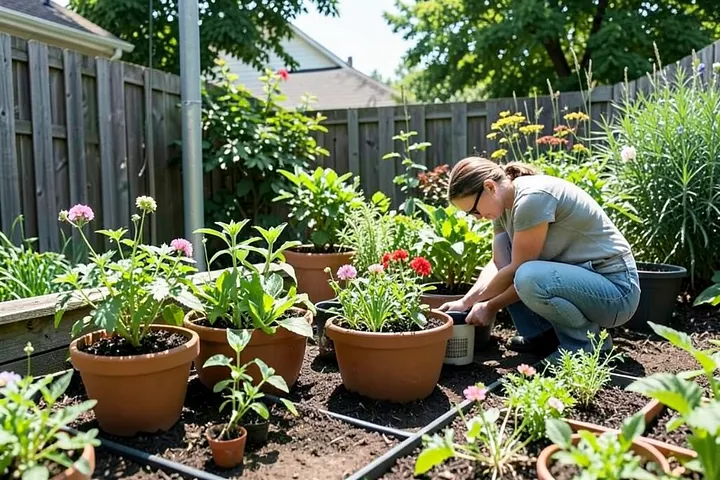
I used to think gardening required a large backyard, expensive tools, and a lot of knowledge about plants. In reality, you can start much smaller.
A few containers, suitable plants, good potting mix, sunlight, and regular care can be enough to begin.
Do you ever think about this: how to start gardening as a hobby? Start with a small space and a few plants that make you feel like you’re doing the right thing.
Gardening is something you learn through observation and practice. The USDA National Agricultural Library also provides gardening resources covering planning, site selection, planting, maintenance, and container gardening.
How to Start Gardening as a Hobby for Beginners
The easiest way to begin is to avoid trying to grow everything at once.
I would start with three basic steps:
Choose your growing space.
Select plants that suit that space.
Create a simple care routine.
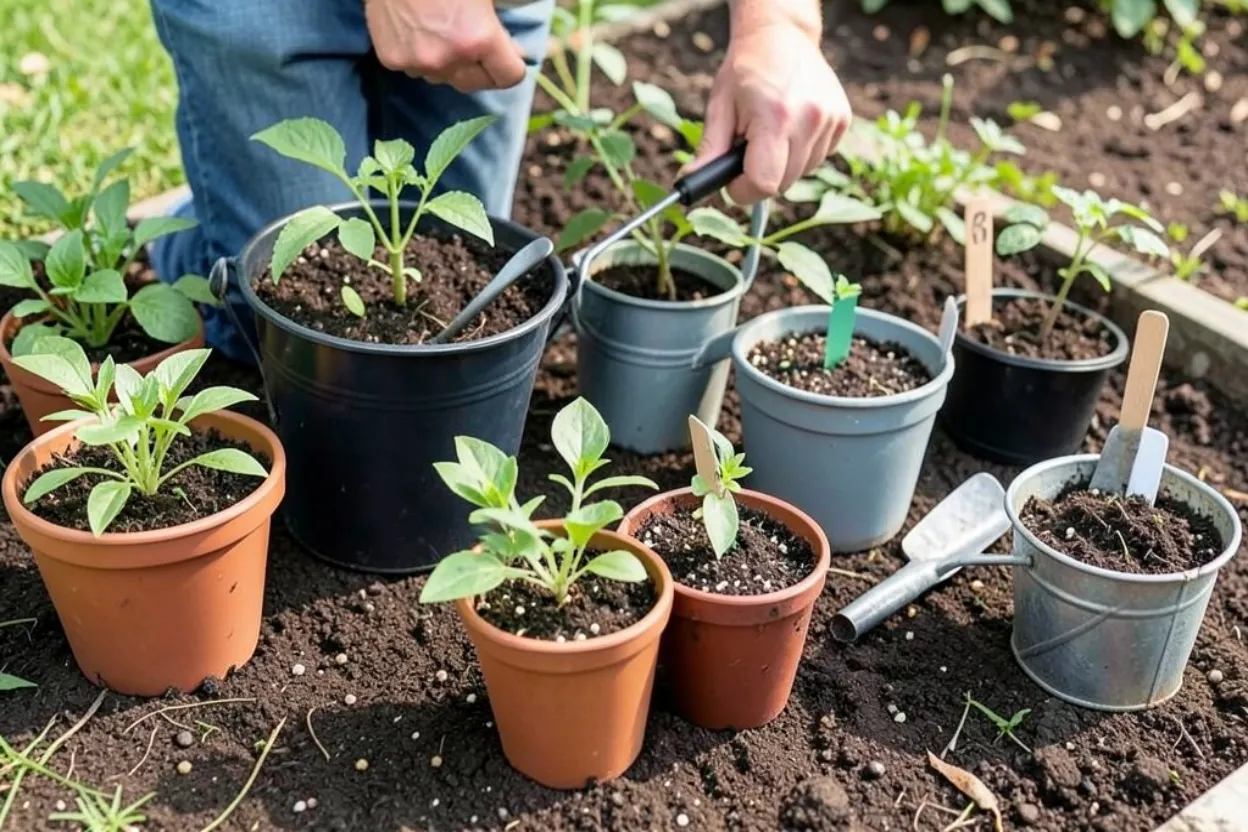
Your growing space could be a backyard, balcony, patio, windowsill, terrace, or a few containers near a sunny area. Container gardening can work particularly well when ground space is limited.
USDA’s National Agricultural Library specifically lists windowsills, patios, balconies, doorsteps, and other small spaces as possibilities for container gardening.
Before buying plants, spend a few days observing your space. Notice how much direct sunlight it receives, whether water is easily available, and whether the location becomes particularly hot or windy.
This small observation can prevent one of the most common beginner mistakes: choosing a plant first and trying to force it to grow in the wrong location.
What Do I Need to Start Gardening?
You don’t need a huge collection of gardening equipment.
For a simple beginner garden, I would start with:
Containers with drainage holes
Good-quality potting mix for container plants
Seeds or healthy young plants
A small watering can or similar watering tool
Basic hand tools if you are gardening directly in soil
Plant labels or a notebook
special attention to drainage. The pot should have a drainage system, as constantly wet soil can damage the roots.
University of Illinois Extension recommends containers with adequate drainage and explains that container plants should be watered thoroughly until water comes through the drainage holes.
I also recommend keeping a simple gardening notebook. Write down what you planted, when you planted it, how much sunlight it receives, and anything you notice about its growth.
That turns gardening from guessing into learning.
Can I Start Gardening Without a Backyard?
Absolutely.
Having a backyard garden is nice, but not essential. With How to Grow Plants in Pots, you can grow them in pots, grow bags, window boxes, or small canteens.
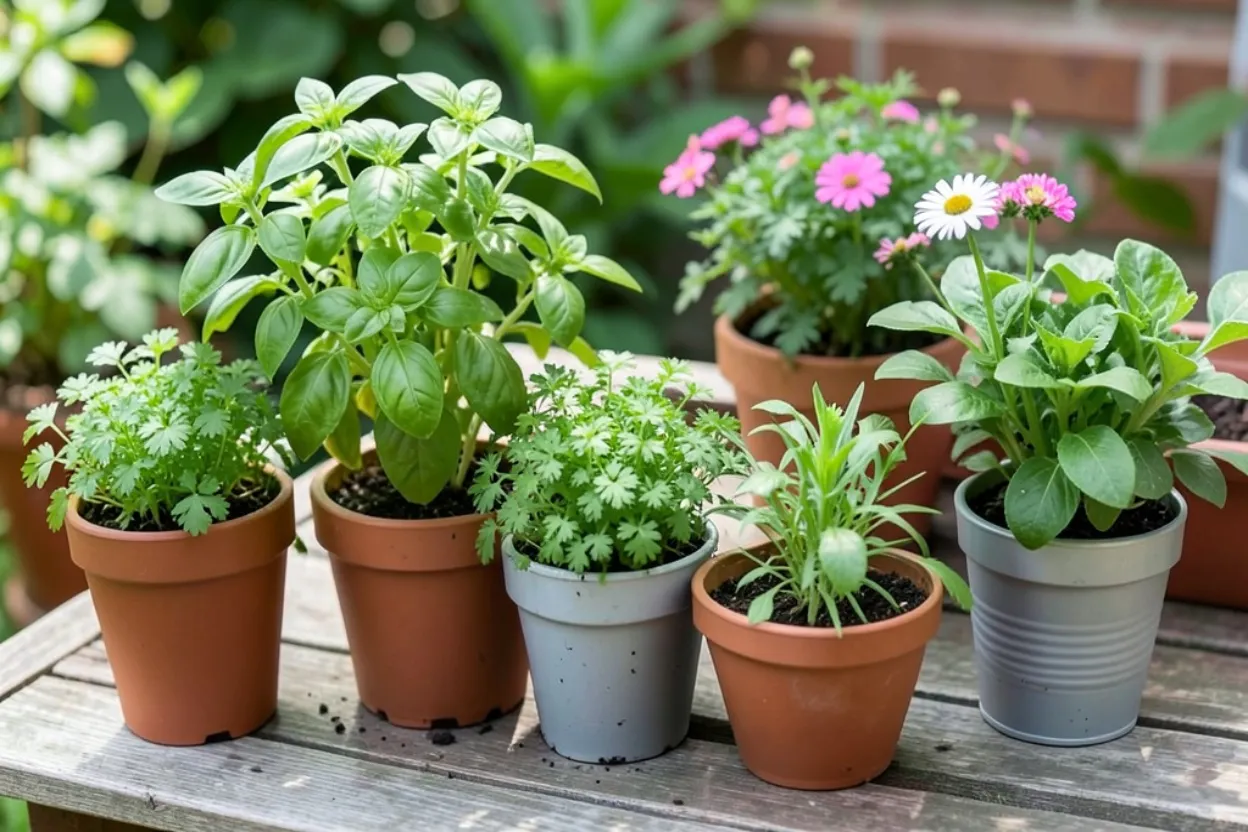
You can grow herbs and some vegetables on a balcony, patio, terrace, or other small outdoor space.
University of Illinois Extension notes that containers can be used for vegetables and herbs and are particularly useful for gardeners with limited space.
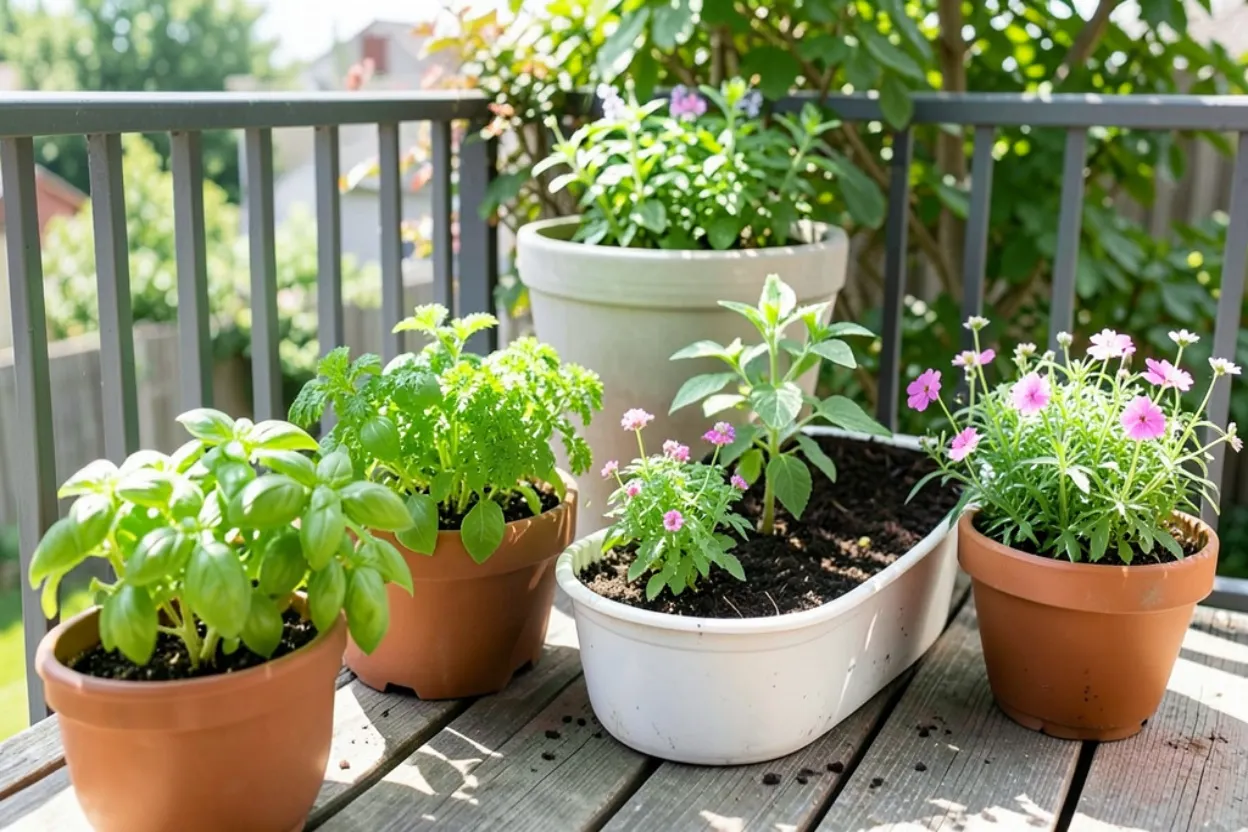
For example, a small beginner setup could contain:
One pot of basil
One pot of parsley or cilantro
One leafy green
One flowering plant
Make sure every container has drainage holes and choose the container size according to the plant’s root and growth requirements.
If you have very little space, start with one or two containers rather than trying to create an entire garden.
What would be the easiest plant for beginners?
There isn’t one universally easiest plant because growing conditions differ. A plant that thrives in one location may struggle in another.
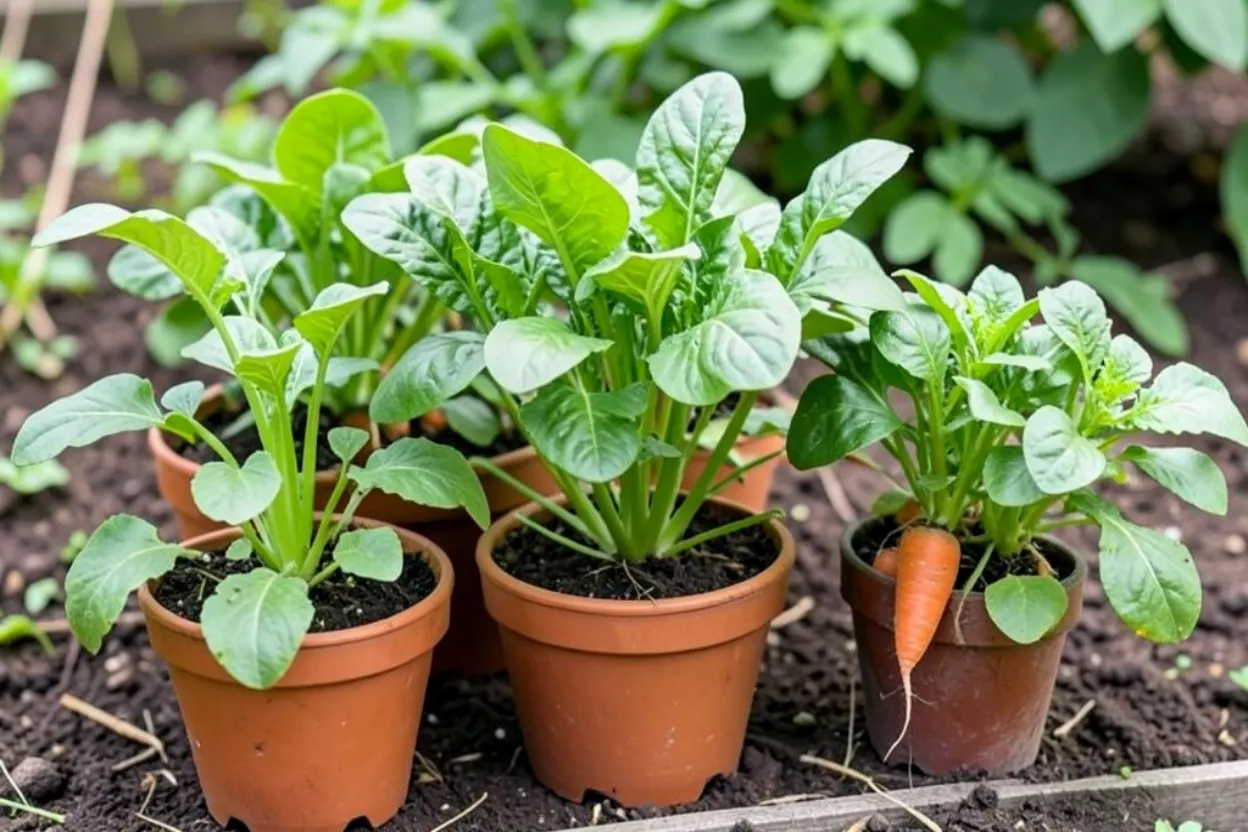
However, herbs such as basil, parsley, thyme, chives, oregano, and rosemary can be good options for container gardening when their light, soil, temperature, and watering requirements are suitable.
Illinois Extension lists several of these herbs as suitable for containers.
Basil is particularly interesting for a beginner because it can be grown in containers and harvested as needed.
University of Minnesota Extension describes common basil as one of the easier and more popular culinary herbs to grow and recommends a sunny location with well-drained soil.
For vegetables, leafy greens, radishes, carrots, peppers, and some compact varieties can work in containers, although each plant has different space requirements.
The important point is not simply choosing a plant labelled "easy". Choose a plant that matches your space and conditions.
How Much Sunlight Does a Beginner Garden Need?
Sunlight requirements depend on the plant.
As a general starting point, many vegetables and herbs prefer several hours of direct sunlight.
The University of Illinois Extension describes full sun for container vegetables as at least six hours of sunlight, while some plants can grow with less.
University of Minnesota Extension also notes that many culinary herbs perform best with at least six hours of direct sunlight each day.
So before planting, check the plant label or growing instructions.
If your balcony only gets sunlight for a few hours, don’t assume you can’t garden. Instead, choose plants that can tolerate the amount of sunlight your location receives.
How Often Should a Beginner Water Plants?
This is where I would avoid following a rigid schedule.
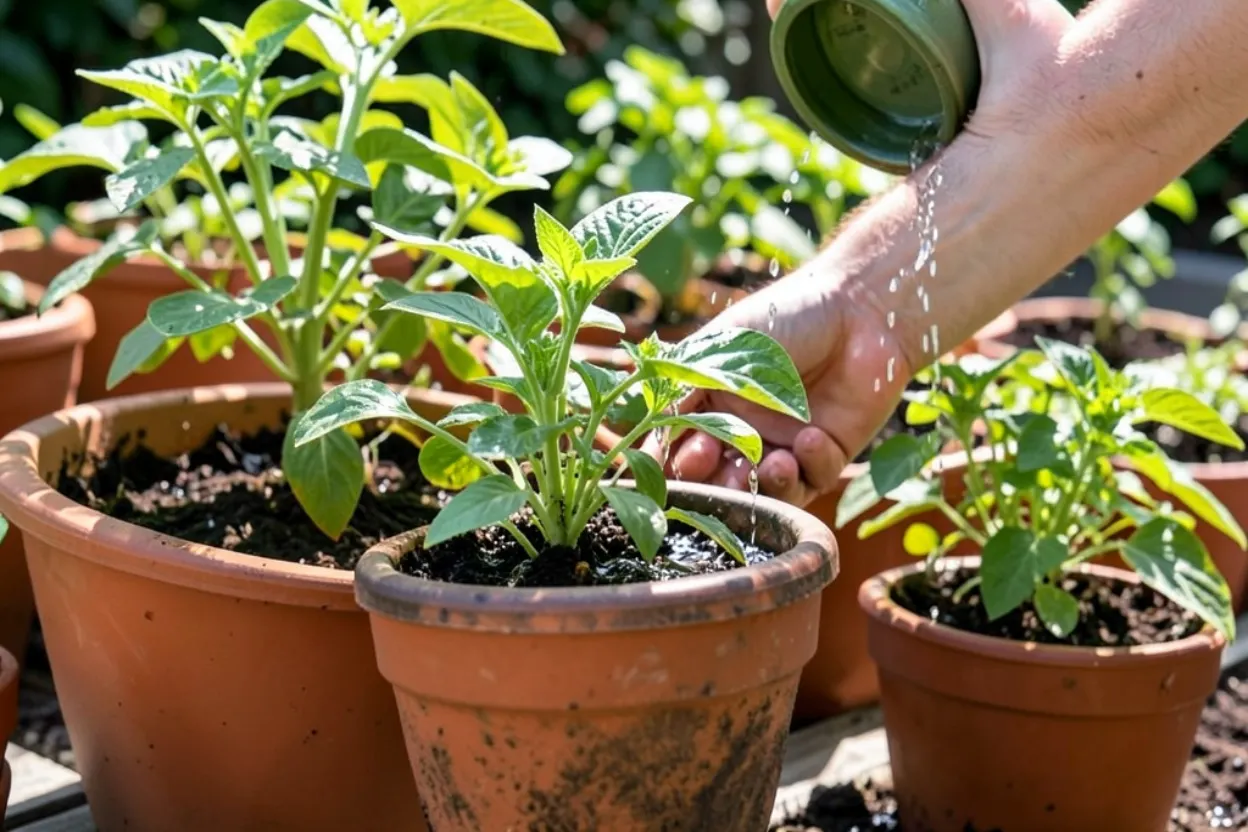
There is no single watering frequency that works for every plant. Temperature, container size, soil or potting mix, plant type, sunlight, wind, and weather all affect how quickly moisture disappears.
For container gardening, one practical method is to check the growing medium rather than automatically watering every day.
The University of Illinois Extension recommends checking the upper part of the growing medium and watering when it feels dry, while also watering thoroughly so excess water drains from the container.
For garden beds, University of Minnesota Extension recommends checking soil moisture and watering deeply when needed rather than relying only on a fixed timetable.
My beginner rule would be simple:
Check the soil first. Then decide whether the plant needs water.
Avoid treating watering as a race to keep the soil permanently wet.
Benefits of Gardening as a Hobby
One of the biggest benefits of gardening as a hobby is that it gives you something living to observe and care for.
You can watch a seed develop into a plant, learn how different plants respond to light and water, and gradually understand your own growing conditions.
Gardening can also become a practical learning activity.
The USDA National Agricultural Library describes gardening resources as covering planning, planting, maintenance, seeds, containers, and vegetables, while its historical gardening material emphasises learning through practical experience.
For me, one of the most satisfying parts of gardening is seeing a small change that I can connect directly to something I did — new leaves appearing, a plant recovering after better care, or the first harvest becoming ready.
That experience makes the hobby feel personal rather than simply instructional.
10 Lines on My Hobby Gardening
If I had to describe my hobby of gardening in 10 simple lines, I would write:
Gardening is one of my favourite hobbies.
I enjoy watching plants grow from small seeds or young plants.
I like spending time caring for my garden.
Gardening teaches me to be patient and consistent.
I enjoy learning what different plants need.
Watering and checking my plants have become part of my routine.
I feel a sense of satisfaction when I see new growth.
Growing herbs and vegetables makes the hobby more practical.
I learn from both successful plants and gardening mistakes.
Gardening has become a simple way for me to stay connected with nature.
Practical Examples for a Beginner Garden
Example 1: Small Balcony
If I had a sunny balcony, I might start with:
Basil
Parsley
One compact vegetable
One flowering plant
I would place each container according to its sunlight requirement and check the soil regularly.
Example 2: Small Backyard
With a small backyard, I might begin with a compact garden bed rather than using the entire available area.
I would choose a few vegetables or herbs, prepare the soil, and leave enough space for the plants to grow.
Example 3: Almost No Outdoor Space
If I had no backyard, I would start with two or three containers.
A small container herb garden can still give me practical gardening experience without requiring a large investment or dedicated garden bed.
My Experience: Start Smaller Than You Think
When I first started gardening as a hobby, I made the mistake of trying to grow too many plants at once. I soon realised that I was spending more time figuring out what went wrong than actually enjoying the garden.
After reducing it to just a few plants, I could easily notice how much sunlight they received, when the soil became dry, and how they responded to watering.
One thing I learned from my own experience is that a struggling plant doesn’t always mean I was doing everything wrong.
Sometimes the location had too little sunlight, the container didn’t drain well, or I was simply watering too often.
Once I started paying attention to these small details, taking care of my plants became much easier.
My advice to anyone learning how to start gardening as a hobby is to begin with just a few plants.
Give yourself time to understand them instead of trying to build a perfect garden immediately.
I learned much more by caring for a small group of plants consistently than I did by trying to manage too many at once.
FAQ.
Is gardening a good hobby for beginners?
Yes. Start with a few easy-to-care-for plants and learn as you go.
How much money do I need to start gardening?
You can start with a few containers, potting mix, seeds or plants, and basic tools.
Can I garden in an apartment?
Yes. You can grow suitable plants in containers on a balcony, patio, or windowsill.
Should I start with seeds or plants?
Both are good options. Young plants are easier to start with, while seeds let you experience the full growing process.
What is the biggest beginner gardening mistake?
Overwatering is a common mistake, but choosing plants that don’t suit your available light can also cause problems.