Grapnel Anchors: Compact and Versatile Anchoring Solutions for Small Boats
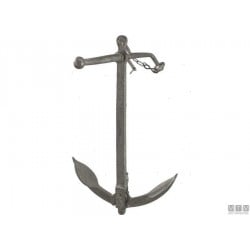
Grapnel anchors are among the most practical and versatile anchor types available for small boats, kayaks, canoes, personal watercraft, and other lightweight vessels. Recognized for their distinctive multi-hook design, Grapnel anchors are valued for their compact size, ease of storage, and ability to grip a variety of underwater surfaces. Although they are not typically used on large vessels, they are highly effective for smaller watercraft and recreational boating activities.
Whether you enjoy fishing, kayaking, paddleboarding, or exploring coastal waters, a Grapnel anchor can provide a reliable and convenient anchoring solution.
What Is a Grapnel Anchor?
A Grapnel anchor is a lightweight anchor featuring several curved tines or hooks that extend outward from a central shaft. These hooks are designed to catch onto rocks, coral, vegetation, or other underwater structures, helping secure a vessel in place.
Many modern Grapnel anchors feature folding arms that can be collapsed when not in use. This compact design makes them easy to transport and store, making them particularly popular among boaters with limited storage space.
The simple yet effective construction of the Grapnel anchor has made it a trusted choice for recreational water activities around the world.
How Grapnel Anchors Work
Unlike anchors that rely primarily on burying themselves into the seabed, Grapnel anchors work by hooking onto underwater objects and irregular surfaces.
When lowered into the water, the anchor settles on the bottom. As tension is applied through the anchor line, one or more of the tines catch onto rocks, roots, reefs, or dense vegetation. This mechanical grip helps prevent the vessel from drifting.
In sandy or muddy bottoms, Grapnel anchors may not provide as much holding power as fluke or plow-style anchors because they are not specifically designed to dig deeply into soft sediments.
Advantages of Grapnel Anchors
Compact Storage
One of the biggest benefits of Grapnel anchors is their foldable design. Many models can be collapsed into a compact shape, making storage simple and convenient.
Lightweight Construction
Grapnel anchors are typically lightweight, making them easy to carry, deploy, and retrieve. This feature is especially useful for kayakers and small boat owners.
Effective in Rocky Areas
The multiple hook design performs particularly well in rocky environments where traditional anchors may struggle to gain a secure hold.
Easy to Use
Their straightforward design allows for quick deployment and retrieval, making them suitable for both beginners and experienced boaters.
Versatility
Grapnel anchors can be used for a wide range of recreational watercraft, including kayaks, dinghies, inflatables, paddleboards, and jet skis.
Best Seabed Conditions for Grapnel Anchors
Grapnel anchors perform best in:
Rocky bottoms
Coral areas
Reef environments
Dense aquatic vegetation
Areas with underwater structures
These conditions provide objects for the anchor’s tines to grip effectively.
However, Grapnel anchors are generally less effective in:
Soft mud
Loose sand
Fine sediment
Deep clay bottoms
In these environments, anchors designed to bury themselves often provide better holding performance.
Common Applications
Kayaks
Kayakers frequently use Grapnel anchors because of their lightweight design and easy storage. They help maintain position while fishing or resting on the water.
Canoes
Canoe users appreciate the portability and convenience of Grapnel anchors for recreational outings and fishing trips.
Paddleboards
Stand-up paddleboard enthusiasts often carry compact Grapnel anchors to remain stationary while enjoying scenic locations or fishing.
Inflatable Boats
The lightweight nature of Grapnel anchors makes them ideal for inflatable boats where minimizing weight is important.
Personal Watercraft
Jet ski owners sometimes use Grapnel anchors for temporary anchoring in suitable environments.
Materials Used in Grapnel Anchors
Galvanized Steel
Galvanized steel Grapnel anchors are durable and resistant to corrosion due to their protective zinc coating. They are among the most common options available.
Stainless Steel
Stainless steel models offer superior corrosion resistance and an attractive appearance, making them suitable for long-term marine use.
Coated Metal Alloys
Some Grapnel anchors feature protective coatings that enhance durability and provide additional resistance to harsh marine conditions.
Choosing the Right Grapnel Anchor
When selecting a Grapnel anchor, boat owners should consider:
Vessel size and weight
Typical anchoring environment
Water depth
Bottom conditions
Storage space availability
Using an anchor that matches the vessel’s size and intended application helps ensure reliable performance and safety.
Maintenance and Care
Proper maintenance can significantly extend the life of a Grapnel anchor. After each use, especially in saltwater environments, the anchor should be rinsed thoroughly with fresh water.
Regular inspections should include checking for:
Corrosion
Bent tines
Damaged hinges
Loose components
Excessive wear
Keeping the anchor clean and properly stored helps maintain its effectiveness and appearance.
Conclusion
Grapnel anchors are practical, lightweight, and highly versatile anchoring solutions designed primarily for small boats and recreational watercraft. Their unique hook-style design allows them to grip rocky bottoms, reefs, and vegetation effectively, making them ideal for kayaking, canoeing, paddleboarding, and fishing activities. With their compact storage capability, ease of use, and dependable performance in suitable conditions, Grapnel anchors continue to be a popular choice among outdoor enthusiasts and boaters. Proper selection, maintenance, and use will ensure reliable anchoring performance and enjoyable experiences on the water.