Gratitude and Well-Being: What’s the Connection?
In our fast-paced modern world, it’s easy to get caught up in what we lack. Between endless social media feeds highlighting other people's successes and the daily grind of responsibilities, stress often takes the driver's seat. However, a powerful antidote to this stress has been hiding in plain sight all along: gratitude.
When we talk about gratitude and well-being, we aren't just discussing a polite social nicety. Decades of psychological and neurological research reveal a profound, undeniable connection between practicing thankfulness and living a healthier, happier life.
The Science of Gratitude
At its core, gratitude is the practice of acknowledging the positive aspects of life. When you consciously take time to appreciate the good—whether it’s a warm cup of coffee, a supportive friend, or simply a deep breath—your brain undergoes a subtle shift.
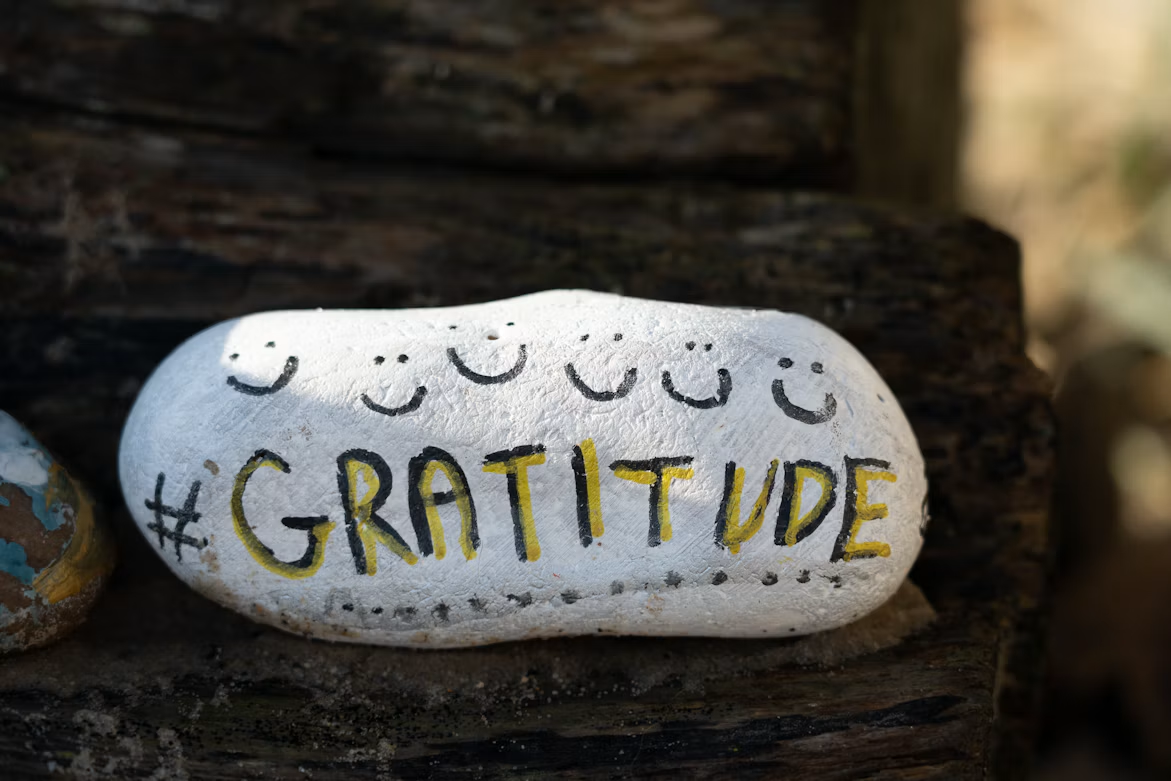
Neuroscience shows that expressing and receiving gratitude activates the brain's reward center, releasing dopamine and serotonin. These are the neurotransmitters responsible for feelings of pleasure, contentment, and emotional regulation. In short, gratitude acts as a natural antidepressant.
Physical and Mental Health Benefits
The connection between gratitude and overall well-being manifests in several remarkable ways:
- Better Sleep: Research indicates that writing in a gratitude journal before bed helps calm racing thoughts, leading to deeper and more restorative sleep.
- Lower Stress Levels: Grateful individuals consistently show lower levels of cortisol, the body’s primary stress hormone.
- Enhanced Resilience: Gratitude doesn't mean ignoring life's challenges. Instead, it provides the emotional scaffolding needed to bounce back from adversity with greater strength and optimism.
- Stronger Relationships: Acknowledging the kindness of others fosters deeper social bonds, making us more empathetic and approachable.
How to Cultivate Gratitude Daily
You don’t need a massive life overhaul to reap these benefits. Gratitude is a muscle that strengthens with use. Start small by writing down three things you are thankful for each morning, or by simply telling someone why you appreciate them today.
By shifting your focus from what is missing to what is present, you unlock a profound pathway to lasting well-being.