A&E Waiting Times Guide: Understanding Emergency Department Delays
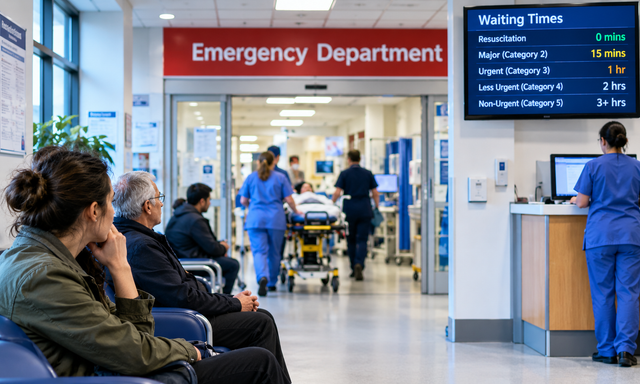
When people visit an Accident and Emergency department, they often expect to be seen immediately. In reality, the time spent waiting can vary considerably depending on the seriousness of each case, the number of patients arriving, available staff, and the capacity of the hospital. Understanding a&e waiting times can help patients and families know what to expect and why delays sometimes occur.
Emergency departments are designed to prioritise patients according to clinical need rather than simply treating people in the order they arrive. Someone with a life-threatening condition may therefore be treated before a person who has been waiting longer. While long waits can be frustrating, the process is intended to ensure that the most urgent cases receive attention first.
What Are A&E Waiting Times?
A&E waiting times refer to the period a patient spends waiting at an Accident and Emergency department before receiving assessment, treatment, or being admitted or discharged. The total time can include several stages, from registration and initial assessment to seeing a clinician, undergoing tests, receiving treatment, and making a final decision about the next step.
Waiting time is not necessarily the same for every patient. A person with a minor injury may be asked to wait while doctors and nurses deal with more serious emergencies. On the other hand, someone experiencing severe breathing difficulties, chest pain, major bleeding, or other potentially life-threatening symptoms may receive immediate attention.
This system is based on clinical priority. The purpose is to use emergency resources where they are needed most.
Why Do Emergency Departments Have Delays?
There are several reasons why emergency departments can become busy. Patient demand is one of the most obvious factors. During certain periods, hospitals may experience a sudden increase in people requiring urgent medical attention.
Seasonal illnesses can also influence demand. Winter respiratory infections, for example, may result in more people seeking emergency care. Similarly, accidents, extreme weather, and outbreaks of illness can create periods of unusually high pressure.
Staffing is another important factor. Doctors, nurses, healthcare assistants, radiographers, laboratory staff, and other professionals all play a role in emergency care. If staffing levels are stretched, certain stages of the patient journey may take longer.
Hospital capacity can also affect delays. A patient who needs admission may have to remain in the emergency department until an appropriate inpatient bed becomes available. This can create a chain reaction, limiting space for new arrivals.
How Patients Are Prioritised
Emergency departments generally use triage to determine how urgently someone needs medical attention. Triage involves an initial assessment of symptoms and clinical condition.
Patients with potentially life-threatening problems are prioritised over people whose conditions appear less urgent. This means arrival time alone does not determine when someone will be treated.
For example, a patient with a serious injury could be assessed ahead of someone who arrived earlier with a minor complaint. The person who has waited longer has not necessarily been forgotten. Instead, staff may be responding to changes in demand and clinical priorities.
Triage categories and procedures can differ between healthcare systems and individual hospitals, but the underlying principle is similar: the most urgent medical needs should receive attention first.
The Different Stages of an A&E Visit
Understanding the stages of an emergency department visit can make waiting periods easier to understand.
The first stage is usually registration. Patients provide basic information about themselves and explain why they have come to the department.
Next comes an initial clinical assessment. A nurse or another trained healthcare professional may check symptoms, vital signs, and other important information. This assessment helps determine the urgency of the situation.
After triage, patients may wait to see a doctor, advanced practitioner, or another appropriate clinician. Depending on the symptoms, additional investigations may be required.
Blood tests, X-rays, scans, or other diagnostic procedures can add time to the process. Once the results are available, a clinician may need to review them before deciding on treatment.
Finally, the patient may be discharged, referred elsewhere, or admitted to hospital. Each stage depends on the individual's condition and the resources available at the time.
What Factors Can Increase Waiting Times?
Several circumstances can contribute to longer a&e waiting times. One major factor is the number of patients arriving simultaneously. When demand exceeds available capacity, non-critical cases may experience longer waits.
Complex medical cases can also require considerable staff time. A patient with multiple symptoms or serious injuries may need input from several departments before a treatment plan can be established.
Diagnostic testing is another potential source of delay. Some investigations take time to complete, and results may need specialist interpretation.
Delays can also occur when hospitals have limited inpatient capacity. Patients who require admission may remain in emergency care until a suitable bed becomes available.
Ambulance arrivals may contribute to fluctuations in workload as well. Emergency departments need to prepare for patients arriving with serious conditions, sometimes requiring immediate resources and specialist teams.
How Waiting Time Information Can Help Patients
Information about waiting times can provide useful context, but it should not be treated as a guarantee. Conditions inside an emergency department can change rapidly.
Someone checking a hospital's reported waiting time may see an estimate based on recent activity. However, the situation can be different by the time they arrive. A sudden increase in serious cases can change the department's priorities within minutes.
For this reason, people should not delay seeking urgent medical care simply because an emergency department appears busy. A long queue does not mean that serious cases will receive the same delay.
Waiting time information is most useful when combined with an understanding of how emergency departments operate.
What Can Patients Do While Waiting?
Patients can make the process easier by providing accurate information about their symptoms and medical history. It is useful to tell staff about current medications, allergies, existing medical conditions, and any changes in symptoms.
If symptoms become worse while waiting, patients should inform a member of staff rather than simply continuing to wait. A change in condition may require reassessment.
Keeping identification documents, medication information, and relevant healthcare details available can also be helpful.
Patients should avoid leaving the department without speaking to staff if they are still waiting for assessment or treatment. If someone decides that they no longer wish to wait, they should inform the appropriate healthcare professional and ask what they should do next.
When Should You Seek Emergency Care?
Waiting concerns should never prevent someone from seeking emergency help when symptoms could indicate a serious or life-threatening condition.
Examples may include severe difficulty breathing, serious chest pain, heavy bleeding, sudden loss of consciousness, major injuries, signs of stroke, or other symptoms that require immediate medical attention.
If you are unsure whether a situation is an emergency, use the appropriate local healthcare advice service or emergency service. Different countries have different systems for urgent medical advice.
The key point is that emergency care should be based on the seriousness of symptoms, not on assumptions about how busy a hospital might be.
Improving the Patient Experience
Hospitals continue to look for ways to reduce unnecessary delays and improve patient flow. Digital registration, better scheduling, expanded urgent care services, improved communication, and more efficient diagnostic processes can all help.
Some healthcare systems also provide alternatives for people with less serious conditions. Urgent treatment centres, primary care services, pharmacies, and telephone advice services may be appropriate depending on the symptoms and local healthcare arrangements.
These alternatives can help emergency departments concentrate their resources on patients who genuinely require emergency treatment.
However, choosing an alternative service should always depend on the nature of the health problem. A potentially serious condition should not be redirected simply because an emergency department is busy.
Understanding the Bigger Picture
Looking at a&e waiting times without considering the wider healthcare system can give an incomplete picture. Emergency departments are connected to ambulance services, primary care, diagnostic departments, specialist services, and inpatient wards.
A delay in one part of the system can affect another. For example, limited hospital beds can prevent patients from moving efficiently from emergency care to an inpatient ward. This can reduce the number of spaces available for newly arriving patients.
Understanding these connections helps explain why improving emergency department performance often requires changes beyond A&E itself.
Making Sense of Emergency Department Delays
Long emergency department waits can be difficult for patients and families, especially when they are already worried about a health problem. However, waiting does not automatically mean that patients are being treated unfairly or that staff are ignoring them.
A&E services must continually balance patient demand, clinical urgency, staffing, diagnostic requirements, and hospital capacity. The result can be changing waiting times throughout the day.
Understanding how triage works and why delays happen gives patients a clearer picture of the emergency care process. Most importantly, people should focus on the seriousness of their symptoms rather than simply the expected queue.
By learning how a&e waiting times are measured and what influences them, patients can make better-informed decisions about accessing urgent healthcare while recognising the pressures faced by emergency departments.