The Dangers of Headaches: Why You Shouldn't Suffer in Silence
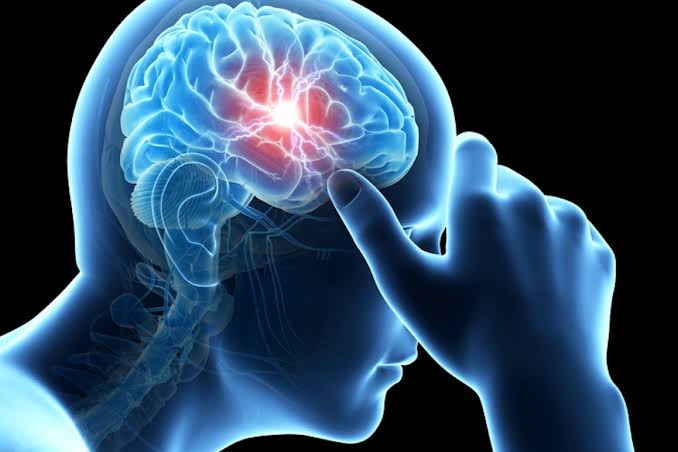
Headaches are among the most common ailments, affecting millions of people worldwide every day. Faced with the frenetic pace of modern life, constant stress, and a lack of time, most of us have become accustomed to considering this condition a mere inconvenience. The first instinct is often to take a painkiller as quickly as possible and carry on with our activities. However, systematically ignoring this warning sign or trying to make it disappear on our own with medication can mask significant health risks. Here are the main types of headaches and the dangerous causes that can significantly worsen your well-being if they are not diagnosed in time.
1. Tension headache: An Insidious consequence of overwork
Tension headaches are the most common and are described as a feeling of pressure, as if the head were being squeezed by a headband or helmet. It occurs following muscle spasms in the scalp, neck, and shoulders, caused by prolonged sitting in front of a computer, poor posture, chronic stress, or lack of sleep.
Although tension headaches are generally mild, regularly experiencing these symptoms exhausts the nervous system. Timely and proper tension headache treatment can help prevent the development of chronic pain syndrome.
2. Migraine: Much More than just acute pain
Migraine is a neurological condition characterized by intense, throbbing pain, most often on one side of the head. It is frequently accompanied by nausea, vomiting, increased sensitivity to light and sound (photophobia and phonophobia), and sometimes visual disturbances (aura).
The habit of simply enduring a migraine attack or the excessive use of over-the-counter painkillers often leads to the transformation of an episodic migraine into a chronic form. The attacks become more frequent, causing physical and emotional exhaustion, and significantly impairing quality of life, forcing the person to take several days off work.
3. Vascular disorders and hypertensive crisis
Headaches at the back of the head, accompanied by a feeling of heaviness, throbbing, or blurred vision, are often the result of a sudden increase in blood pressure. It is extremely dangerous to endure such pain.
If you ignore the symptoms of a hypertensive crisis and wait for it to "go away on its own," you are putting excessive strain on the blood vessels in the brain. This significantly increases the risk of serious complications such as a stroke or a transient ischemic attack (TIA).
4. Degenerative disc disease and spinal problems
Pain that begins in the neck and occipital region and radiates to the temples or eyes is often associated with cervical spine disorders. Compression of the occipital nerves or narrowing of the blood vessels supplying the brain leads to persistent discomfort. Ignoring spinal pain leads to the progression of degenerative spinal lesions, deterioration of cerebral blood flow, and the development of inflammatory processes in nerve tissue.
5. Drug-induced headache
This is a paradoxical condition that occurs when a person uses painkillers (analgesics, antispasmodics, triptans) too frequently to relieve a new attack. The body becomes accustomed to the medication, and as soon as the pill's effect wears off, a new, even more intense pain appears.
This results in a vicious cycle: the person takes more and more pain medication, which, in turn, causes daily headaches. It is extremely difficult to break free from this situation without the help of a qualified doctor.
6. Serious secondary conditions (Infections, tumors, aneurysms)
Sometimes, a headache is not a disease in itself, but merely a symptom of a much more serious condition. These include:
- Inflammatory diseases (sinusitis, meningitis, or encephalitis), accompanied by a high fever
- Large formations (tumors and hematomas), which progressively increase intracranial pressure
- Aneurysms and vascular malformations, where the rupture of a blood vessel and intracranial hemorrhage can manifest as sudden, unbearable, and excruciating pain
Delaying medical attention in these cases poses an immediate risk of death.