"The Science-Backed Benefits of Dates: Nutrition, Health, and Research Insights"
Health Benefits of Dates
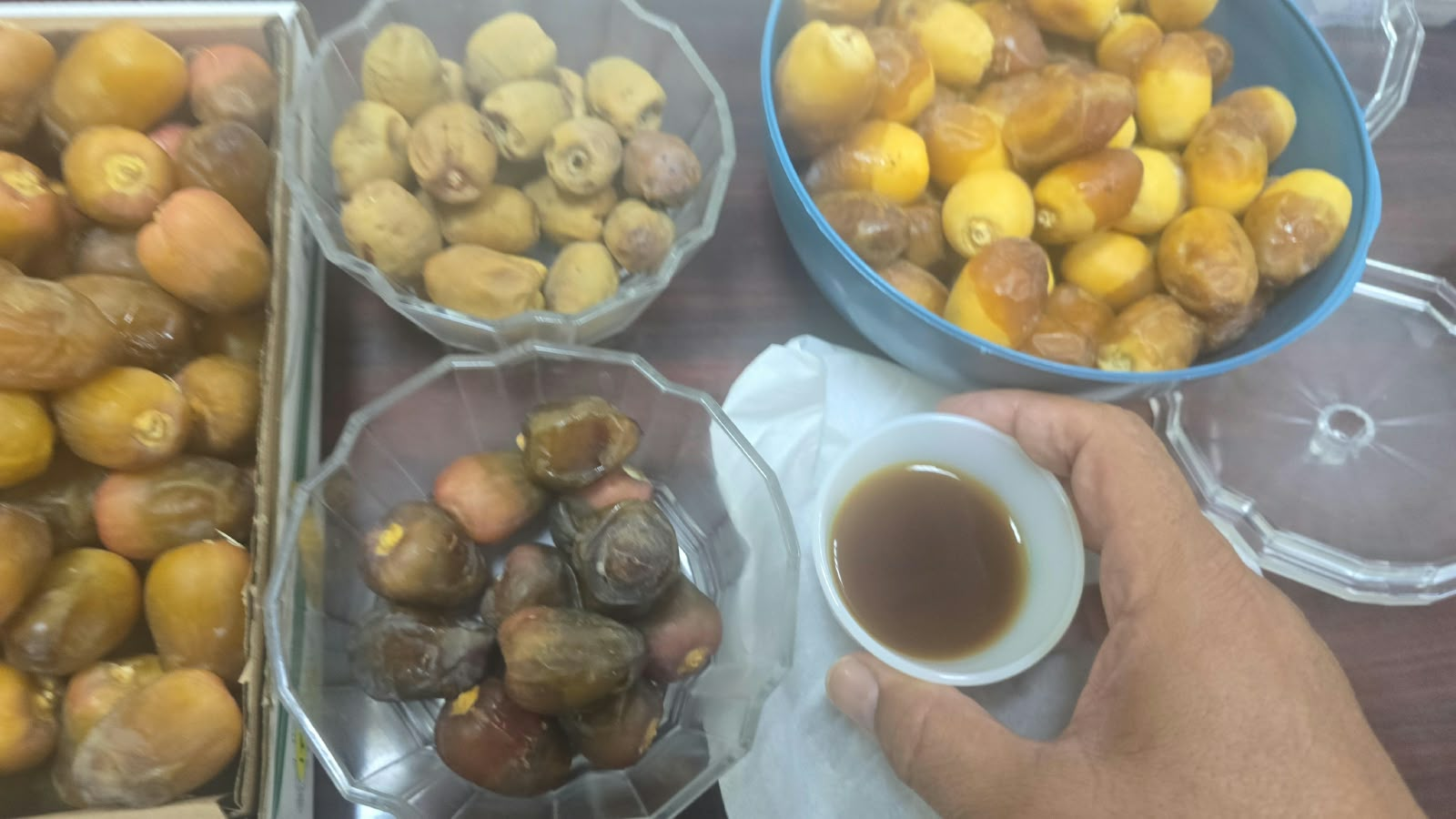
Dates (Phoenix dactylifera L.) are a nutrient-rich fruit containing carbohydrates, dietary fiber, minerals, vitamins, and several bioactive compounds, including phenolic compounds, flavonoids, and carotenoids [1,2].
Dates are an important source of natural carbohydrates and can provide a rapid source of energy. They also contain dietary fiber, which contributes to normal digestive function and may help increase satiety [1,3].
Dates contain important minerals such as potassium, magnesium, copper, manganese, and phosphorus. These minerals contribute to normal physiological functions, including nerve function, muscle function, energy metabolism, and maintenance of normal bones [1,2].
The antioxidant properties of dates have been attributed partly to their phenolic compounds, flavonoids, carotenoids, and other phytochemicals. Laboratory and animal studies have reported antioxidant and anti-inflammatory activities associated with date fruits and their extracts [2,4]. However, more high-quality human clinical studies are needed before these findings can be considered proven treatments for specific diseases [2,4].
Dates may also contribute to digestive health because they contain dietary fiber. Including dates as part of a diet rich in fruits, vegetables, whole grains, and adequate fluids can support normal bowel function [1,3].
Dates contain potassium and magnesium, nutrients that are relevant to cardiovascular health. Their fiber and antioxidant compounds may also contribute to an overall healthy dietary pattern. Nevertheless, eating dates should not be considered a treatment for hypertension or cardiovascular disease, as evidence for specific therapeutic effects in humans remains limited [1,2,4].
Dates contain iron and copper, which are involved in normal blood and iron metabolism. However, dates alone should not be considered a treatment for iron-deficiency anemia. Individuals with confirmed anemia may require medical evaluation and an appropriate source of iron [1,2].
Research has investigated possible effects of dates and their bioactive compounds on brain health and neuroprotection. Some experimental studies have reported potentially beneficial effects, but much of this evidence comes from laboratory and animal research, and stronger human evidence is still required [2,4].
Dates also provide minerals involved in normal bone metabolism, including magnesium, phosphorus, manganese, and copper. However, bone health depends on several factors, including adequate calcium and vitamin D, physical activity, protein intake, age, and overall diet [1,2].
Dates have received particular research attention during pregnancy. Some clinical studies and systematic reviews suggest that consuming dates during late pregnancy may have beneficial effects on cervical ripening and certain labor outcomes. However, the evidence is not sufficient to guarantee spontaneous labor or replace medical care [5,6].
For athletes and physically active people, dates can be a convenient source of carbohydrates before, during, or after prolonged physical activity. Their portability and concentrated carbohydrate content make them practical as part of a sports-nutrition strategy [1,3].
People with diabetes do not necessarily need to completely avoid dates. However, dates contain significant amounts of carbohydrates and naturally occurring sugars, so portion size and total carbohydrate intake should be considered. Individual blood-glucose responses may vary according to the date variety, ripeness, portion size, and the person’s metabolic health [1,3].
Although dates are nutritious, excessive consumption can increase total calorie and carbohydrate intake. Therefore, dates are best consumed in moderation as part of a balanced diet [1,3].
Conclusion
Dates are a nutritious fruit that provides carbohydrates, dietary fiber, minerals, and a variety of bioactive plant compounds. Scientific research supports their nutritional value and suggests several potentially beneficial biological activities. However, many therapeutic claims about dates are based on laboratory or animal studies, and further well-designed human clinical trials are needed to establish specific medical benefits [1,2,4].
References
[1] Vayalil, P. K. (2012). Date fruits (Phoenix dactylifera Linn): An emerging medicinal food. Critical Reviews in Food Science and Nutrition, 52(3), 249–271. https://doi.org/10.1080/10408398.2010.499824
[2] Mahomoodally, M. F., et al. (2024). Nutritional, medicinal and functional properties of different parts of the date palm and its fruit (Phoenix dactylifera L.) – A systematic review. Critical Reviews in Food Science and Nutrition, 64(22), 7748–7803. https://doi.org/10.1080/10408398.2023.2191285
[3] Alu'datt, M. H., et al. (2025). Date palm (Phoenix dactylifera) bioactive constituents and their applications as natural multifunctional ingredients in health-promoting foods and nutraceuticals: A comprehensive review. Comprehensive Reviews in Food Science and Food Safety, 24(1), e70084.
[4] Abdallah, E. M., Alhudhaibi, A. M., Cherif, A., & Jan, H. A. (2026). Date palm fruits (Phoenix dactylifera L.): nutrition, phytochemistry, and translational gaps in reported bioactivities – a critical narrative review. Frontiers in Plant Science, 17, 1806447. https://doi.org/10.3389/fpls.2026.1806447
[5] Kordi, M., et al. Studies investigating the effects of date fruit consumption during pregnancy on labor outcomes.
[6] Razali, N., et al. Clinical and systematic-review evidence concerning date consumption and cervical ripening/labor outcomes.
En mi rutina de pre‑entrenamiento suelo tomar 2‑3 dátiles para aprovechar ese “rápido aporte de energía” y el potasio que la ciencia dice es clave en la función muscular. Además, el contenido de fibra que menciona el artículo me ayuda a mantener la saciedad y la salud digestiva, aunque cada cuerpo responde de forma distinta.
:¡Qué gran rutina! Tomar 2-3 dátiles antes de entrenar es una forma inteligente y natural de cargarte de energía y cuidar tus músculos. Tienes toda la razón en que cada cuerpo es un mundo, pero sin duda vas por muy buen camino. ¡Gracias por leer el blog y por tu comentario!