The Role of Wearable Tech in Health Monitoring
In recent years, wearable technology has evolved far beyond simple fitness trackers. Today, devices like smartwatches, smart rings, and continuous glucose monitors have transformed into powerful medical assistants.
By bridging the gap between everyday consumers and healthcare professionals, wearable tech is fundamentally shifting the paradigm from reactive medicine to proactive wellness.
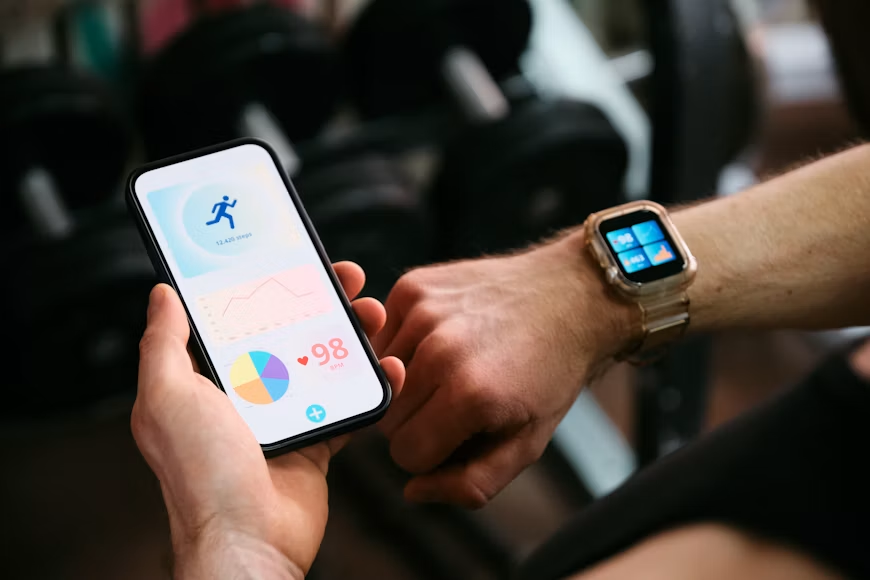
Real-Time Data at Your Fingertips The most significant advantage of health wearables is their ability to collect continuous physiological data. Traditional healthcare often relies on episodic check-ups—a snapshot of a patient's health during a single doctor's visit.
In contrast, wearables monitor vital signs 24/7. They track heart rate variability, sleep patterns, blood oxygen levels, and daily activity. This continuous stream of data helps users understand their baseline health and immediately catch anomalies, such as an unexpected spike in resting heart rate or early signs of atrial fibrillation.
Empowering Proactive Healthcare Wearable tech shifts the power of health management directly to the individual. When users have access to daily insights, they are more motivated to make healthier lifestyle choices, whether that means improving sleep hygiene or increasing daily steps.
Furthermore, this data facilitates more productive conversations with physicians. Instead of vague descriptions of symptoms, patients can provide comprehensive digital logs, enabling doctors to make faster, more accurate diagnoses.
Looking Ahead As artificial intelligence and sensor technology continue to advance, the capabilities of health wearables will only expand. Non-invasive blood glucose monitoring and advanced cardiovascular screenings are already on the horizon.
Ultimately, wearable tech is not just a passing gadget trend; it is a vital tool revolutionizing modern healthcare by making prevention more accessible than ever before.