# History of the Berom People (Part 2):


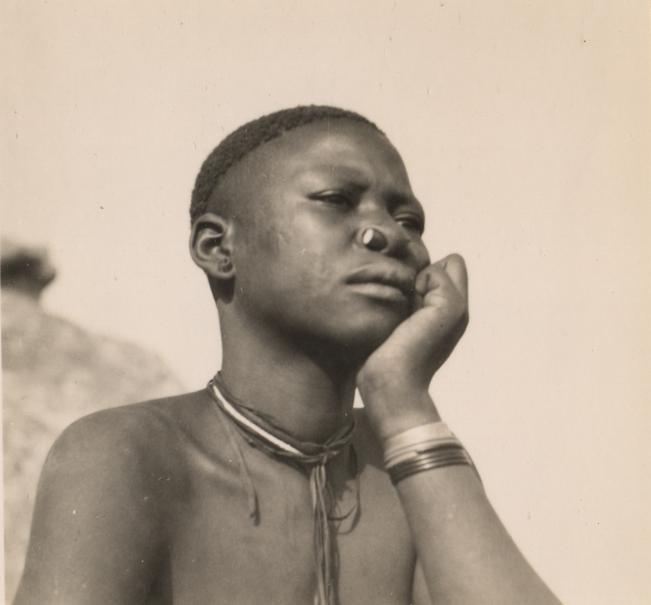
Societal Advancement, Military Defenses, and the Dawn of the Tin Mining Era
Welcome to Part 2 of our historical series on the Berom (Birom) people of Plateau State, Nigeria. In Part 1, we explored the ancient roots of the Berom, their archaeological connection to the Nok Culture, and their dispersal from the cradle of Riyom.
In this installment, we look at how the Berom society advanced prior to European contact—developing sophisticated governance, defensive military systems, and local smelting—and how the discovery of tin forever altered the landscape of the Jos Plateau.
1. Governance and Social Organization: The Federated Polities
Unlike centralized empires governed by a single monarch, pre-colonial Beromland was organized as a decentralized confederation of autonomous polities. Major territorial centers like Du, Gyel, Vwang, Foron, Bachit, Riyom, and Fan each maintained local autonomy while remaining united by language, ritual covenants, and ancestral ties.
- The Da Gwom Rwei: Each district was governed by a recognized ruler, the Da Gwom Rwei, who worked alongside a council of elders (Nda Chwai).
- The Council of Chiefs: When external threats arose or region-wide decisions were required, the chiefs convened at Riyom—the historical cradle—to form a collective governing council.
- Judicial Harmony: Disputes involving land, marital affairs, and inter-clan grievances were resolved under the Kwit religious law, which emphasized communal truth, oaths, and reverence for Dagwi (the Supreme Creator).
2. Military Invincibility: Defending the High Plateau
During the 18th and 19th centuries, expansionist empires and jihadist campaigns swept across Northern Nigeria. However, the Berom, alongside their neighbors (the Anaguta and Rukuba), earned a historic reputation for successfully defending their homeland against external conquests.
┌────────────────────────────────────────────────────────────────────────┐
│                   BEROM PRE-COLONIAL DEFENSE SYSTEM                    │
├───────────────────────────────────┬────────────────────────────────────┤
│ Natural Fortresses                │ Botanical & Guerrilla Defenses     │
│ - Steep granite inselbergs        │ - Dense cacti hedges (Euphorbia)   │
│ - Unfamiliar high-altitude terrain│ - Poisoned arrows & swift archery  │
│ - Strategic hilltop lookouts      │ - Mounted cavalry in rocky passes  │
└───────────────────────────────────┴────────────────────────────────────┘
- Repelling External Incursions: The cavalry forces of the Bauchi Emirate and broader Sokoto campaigns made repeated attempts to penetrate the central plateau. The Berom leveraged their high-altitude terrain, rocky defiles, and fortified settlements to repulse these incursions.
- Tactical Warfare: Berom warriors were skilled mounted archers. They utilized specialized poisoned arrows, horseback tactics suited to the granite hills, and dense cacti hedges (Euphorbia kamerunica) surrounding their compounds to ambush and trap invading forces. As a result, the Berom remained un-subjugated throughout the pre-colonial era.
3. Indigenous Metallurgy: The Discovery of "Straw Tin" (Muru)
Long before European prospectors set foot on the Jos Plateau, the Berom and neighboring communities possessed indigenous knowledge of metallurgy.
- Native Extraction: Indigenous blacksmiths extracted alluvial tin ore (cassiterite) along local riverbeds, such as the Delimi River.
- Smelting Technique: Using clay furnaces and charcoal fires, local craftsmen smelted the raw ore into thin metallic rods commonly known as "straw tin" or muru.
- Trans-Saharan Trade: These tin rods were traded across regional routes, reaching Bauchi, Naraguta, and extending into Trans-Saharan trade networks. The local inhabitants valued tin for alloying with iron to create stronger agricultural tools, weaponry, and ornaments.
4. The Turning Point: The Arrival of British Prospectors
During the late 19th-century Industrial Revolution, European powers faced a high demand for tin to manufacture tin cans, machinery parts, and munitions.
- The Royal Niger Company (1890s): British traders noticed high-purity straw tin in Northern Nigerian markets. Inquiries led prospectors like William Wallace and Colonel H.W. Laws of the Royal Niger Company directly toward the origin: the Jos Plateau.
- Military Expeditions (1902–1905): Encountering stiff resistance from Berom warriors determined to protect their ancestral lands, the British launched armed colonial expeditions to forcibly open up the interior. Through superior firepower, the colonial administration established military posts at Bukuru and Jos.
5. The Beginning of the Tin Boom and Land Alteration
By 1905, commercial tin mining began in earnest. The British colonial government declared all mineral rights under the Crown, expropriating vast tracts of fertile Berom farmland for open-cast mining paddocks.
- Clash of Economies: The Berom were a deeply agrarian society attached to their land for Acha and millet cultivation. They initially refused to work as wage laborers in the foreign-owned mines.
- Coerced Labor & Migration: To secure a workforce, colonial authorities introduced hut and poll taxes payable only in British currency, compelling local populations into wage labor. Simultaneously, thousands of laborers from across Nigeria and West Africa were brought into the plateau, laying the foundation for modern cosmopolitan Jos.
Thank you for reading Part 2! In Part 3, we will cover the peak of the Colonial Tin Mining Boom, the formation of the Gbong Gwom Jos paramount stool, the environmental legacy of mining pits, and the modern era of the Berom nation.
What are your thoughts on how tin mining reshaped the history of Plateau State? Drop your comments and upvotes below!
#history #culture #nigeria #berom #steemexclusive #africa #writing