Tech Blog #272 | Google Pixel 11: Google’s Compact Pixel Gets a More Complete Package...
The Google Pixel 11 feels like Google is finally getting more serious about the hardware side of its flagship phones. Google has never tried to compete with Samsung or Chinese brands by offering the fastest charging or the most powerful processor. Instead, the Pixel series has always focused on photography, clean Android, and smart AI features. The Pixel 11 continues that idea, but this year Google also brings a newer Tensor G6 chip, a larger battery, a brighter display, and improved cameras.
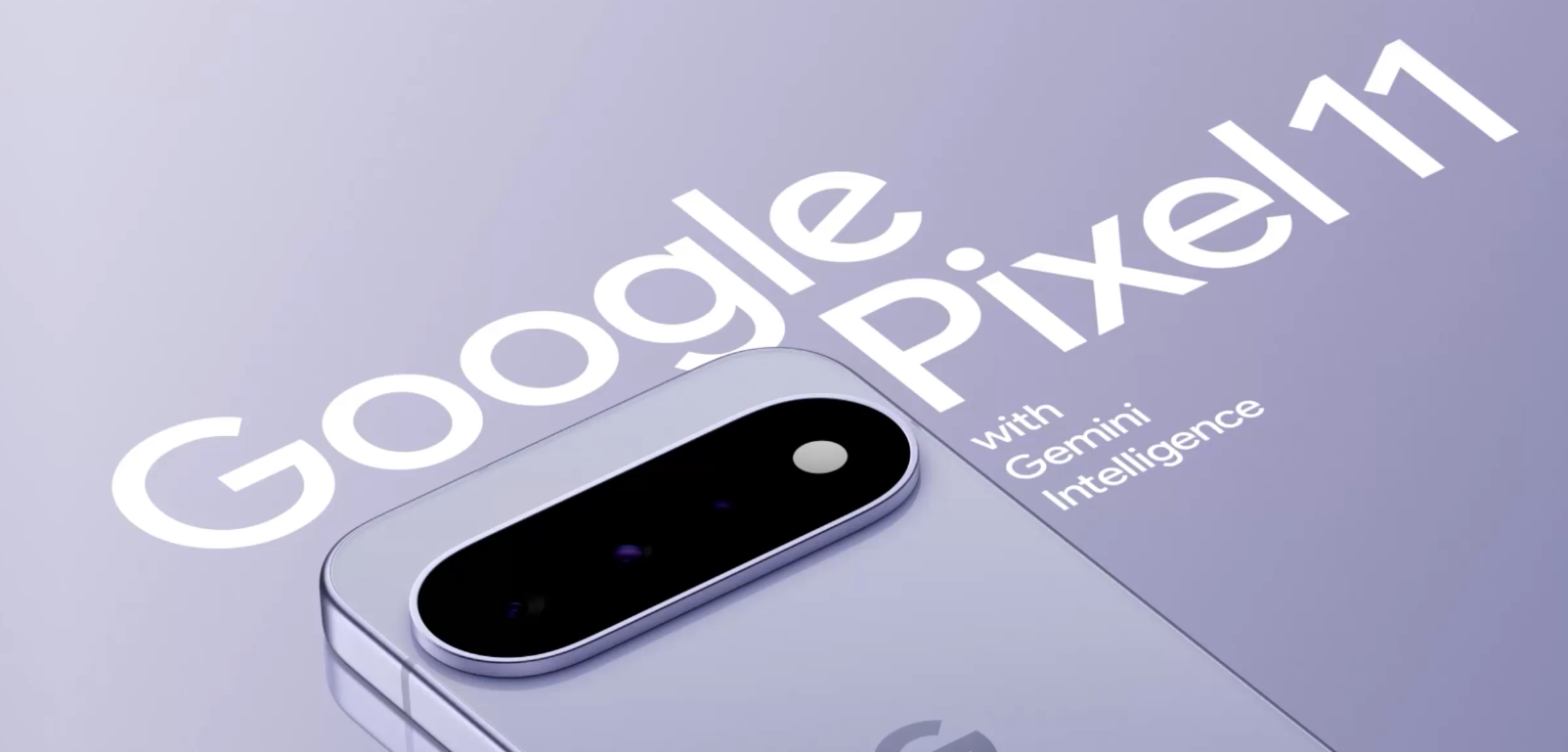
The design still looks very much like a Pixel, but Google has made some small changes. The camera bar is slimmer and better integrated with the body, while the aluminum frame and Gorilla Glass Victus 2 give the phone a premium feel. The phone also keeps IP68 water and dust resistance, which is expected at this price level. It is not a design that will surprise anyone, but the Pixel 11 has a clean and recognizable appearance.
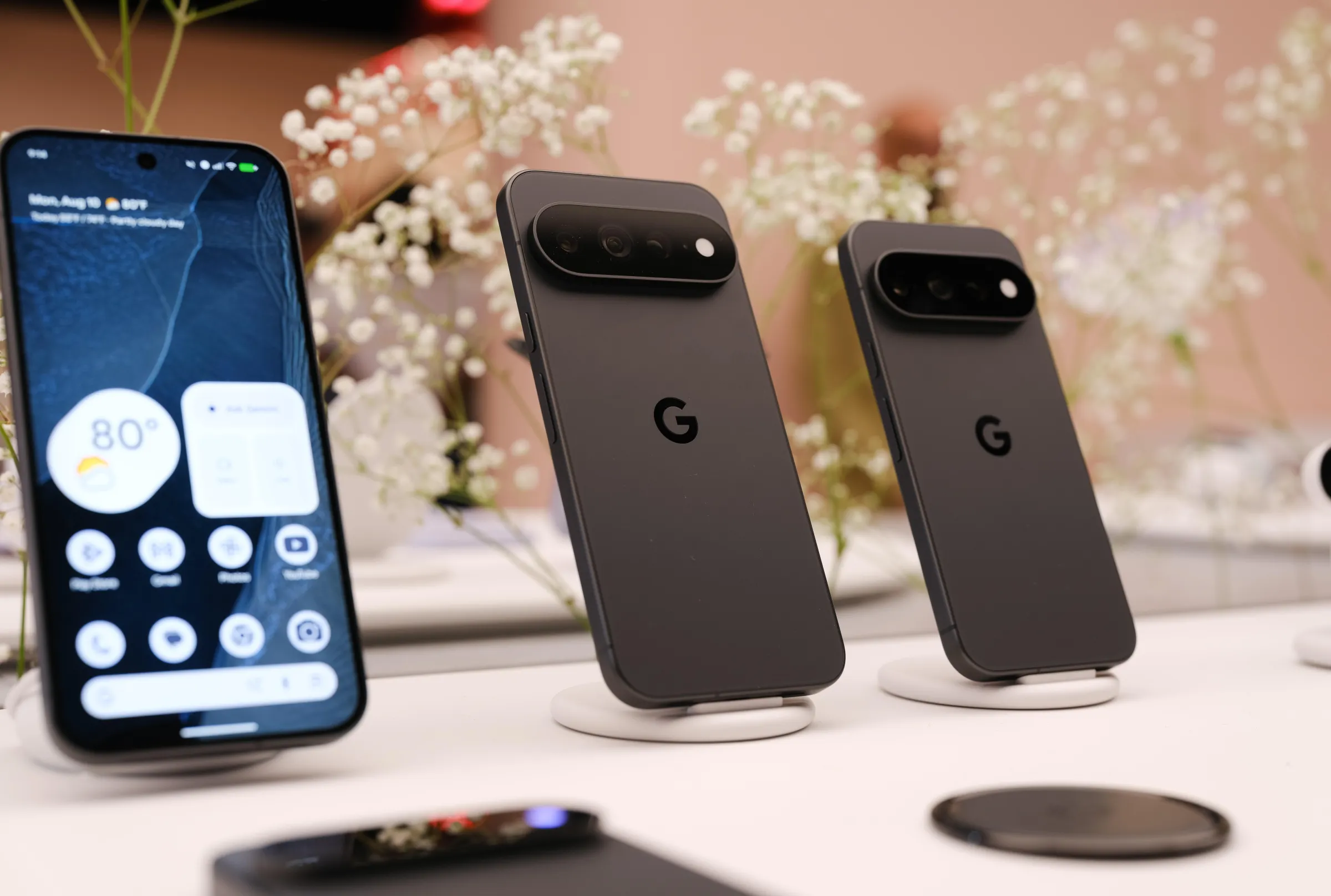
The display is one of the strong areas of the phone. #Google uses a 6.3-inch OLED panel with a 120Hz adaptive refresh rate. The screen is sharp, smooth, and bright enough for comfortable outdoor use, with peak brightness reaching around 3000 nits. HDR content looks excellent, while the 120Hz refresh rate makes scrolling and animations feel very smooth. Google is not using a huge display here, which makes the Pixel 11 easier to handle than many large flagship phones.
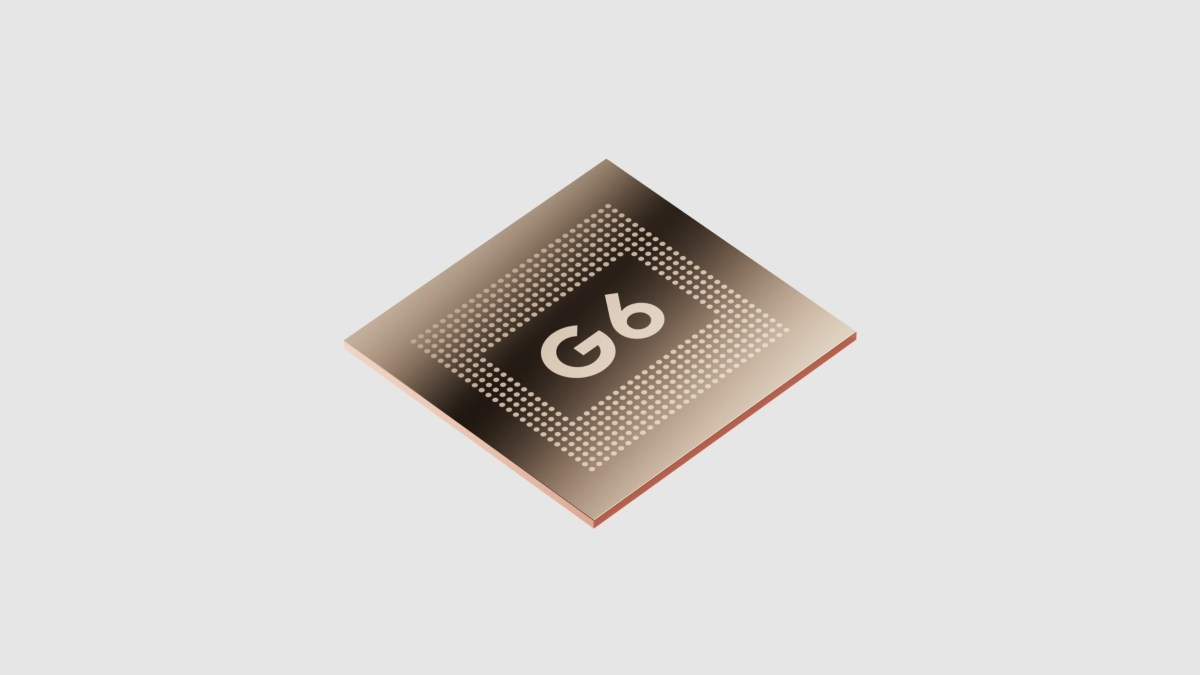
Performance is a major focus this year with the new #Tensor G6 chipset. Google says the new processor is faster and more efficient, while its improved TPU gives it a significant boost for AI processing. The Pixel 11 comes with 12GB of RAM and starts with 256GB of storage, which is a welcome change from previous base models. In normal use, the phone feels fast and smooth, with apps, multitasking, photography, and AI features working without major problems.
However, Tensor is still not really about winning benchmark competitions. Google's biggest advantage is AI rather than raw gaming performance. If you are a heavy gamer who wants the fastest GPU performance available, Snapdragon-powered flagships will still be more attractive. This is one area where Google continues to make a different choice from Samsung and Chinese brands.
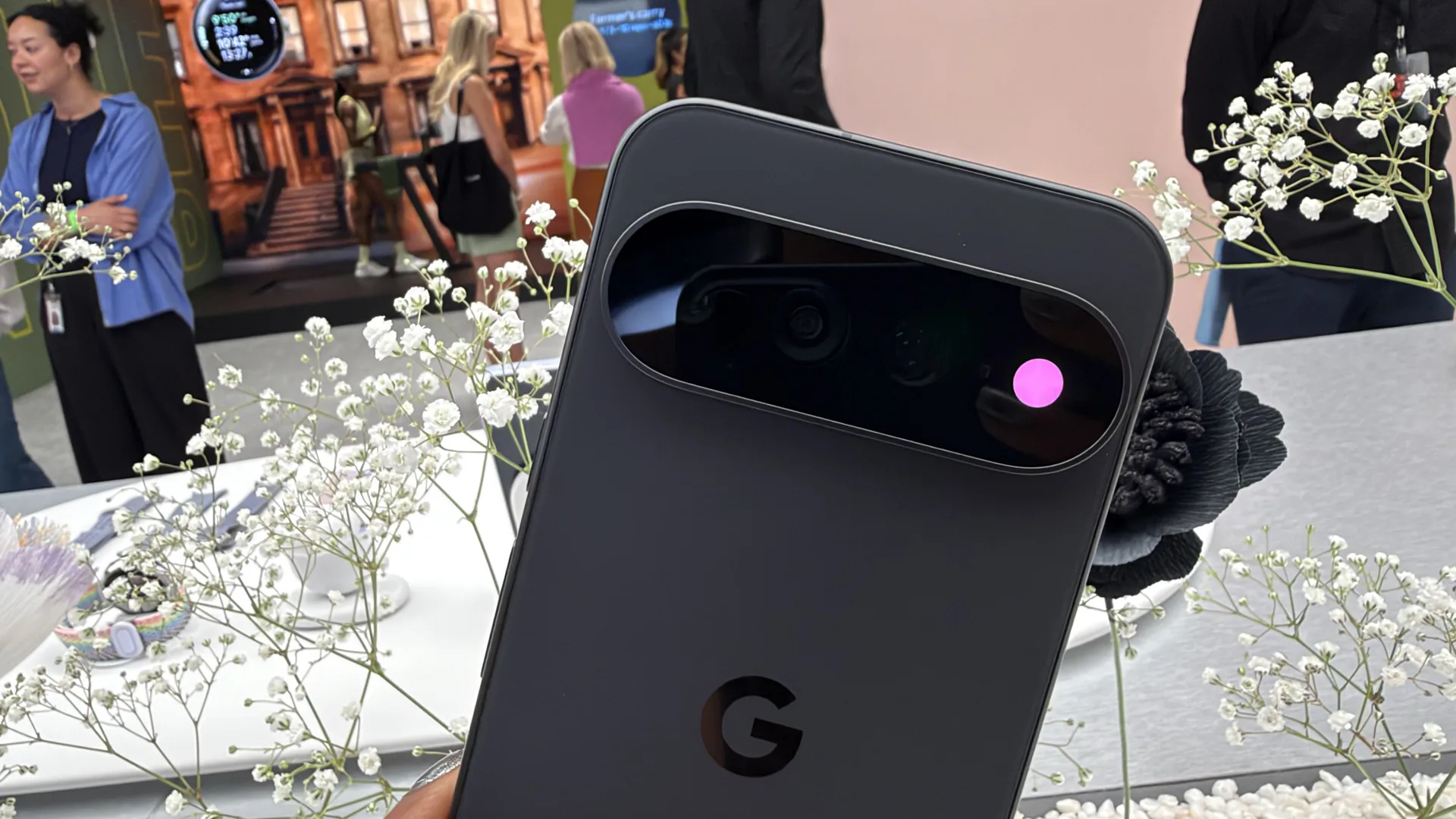
The camera system remains one of the biggest reasons to buy a Pixel. The Pixel 11 gets an upgraded main camera system, and Google continues to depend heavily on computational photography to improve image quality. Photos have the typical Pixel look, with excellent HDR, natural skin tones, strong detail, and very good low-light performance. Google has also improved zoom capabilities, with the Pixel 11 supporting up to 30x zoom. It may not have the same extreme zoom hardware as the Pro models, but Google's image processing does a very good job of getting useful results from digital zoom.
Google's new AI photography features are also interesting. Magic Capture is designed to intelligently capture important moments, while other AI tools can help with editing and improving photos. This is where the Pixel 11 feels different from many competitors. Instead of simply putting bigger camera sensors into the phone, Google is trying to make the camera smarter.
Battery life is another welcome improvement. The Pixel 11 uses a battery of around 5,000mAh, which is larger than previous Pixel models and should comfortably last a full day for most users. Google has also improved charging, although it still does not compete with Chinese brands that offer extremely fast 80W, 100W, or 120W charging. Wireless charging is also supported, giving users more flexibility.
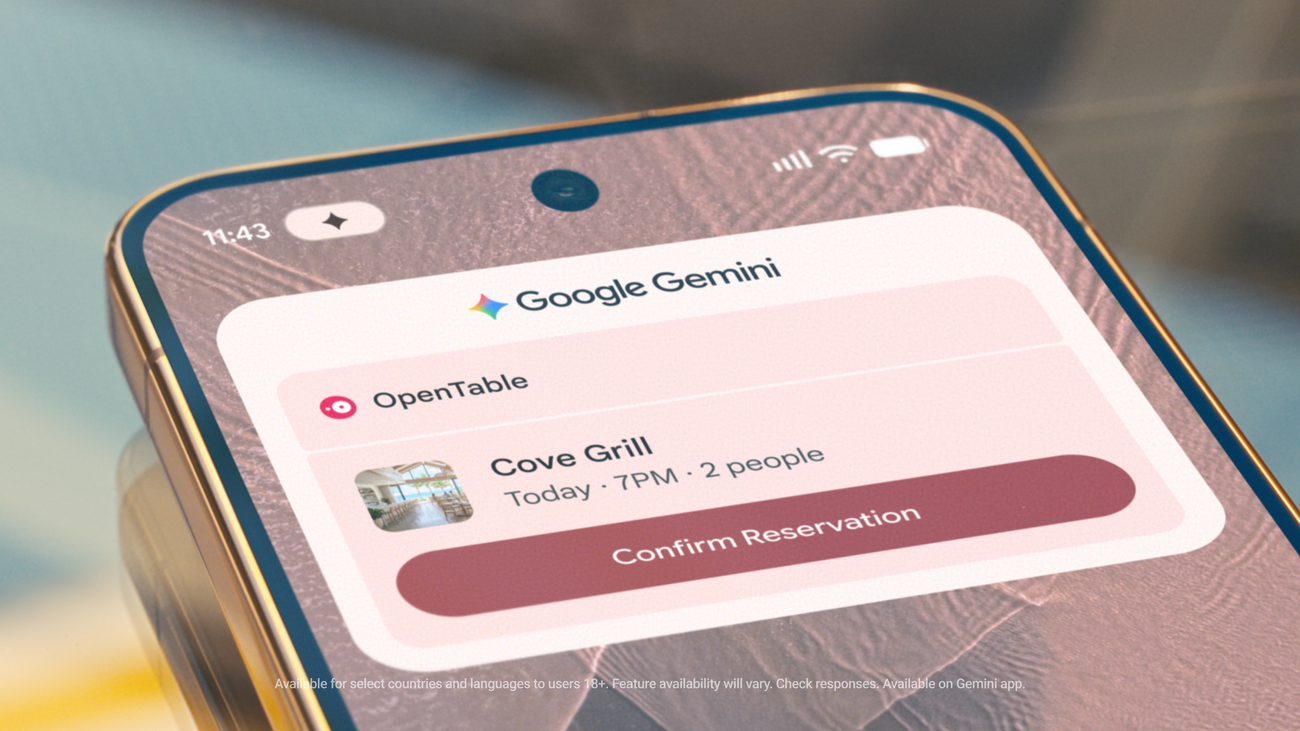
On the software side, this is where the #Pixel 11 feels most at home. It runs #Android 17 with Google's latest Gemini Intelligence features deeply integrated into the system. Google has added improved voice-to-text, real-time translation, smarter Circle to Search, and more AI-powered tools. The Pixel 11 is not just using AI as a marketing feature. Google is trying to make AI part of the normal phone experience.
Google also continues to offer one of the best software support policies in the industry, with seven years of Android and security updates. This makes the Pixel 11 a phone that should remain useful for many years, which is becoming increasingly important as flagship prices continue to rise.
There are still a few drawbacks:
- Tensor G6 is not the best choice for maximum gaming performance.
- Charging speeds are still behind many Chinese flagship phones.
- The regular Pixel 11 does not get the advanced camera hardware found on the Pro models.
- The design is still quite similar to previous Pixel generations.
- Pixel phones have limited official availability in many countries.
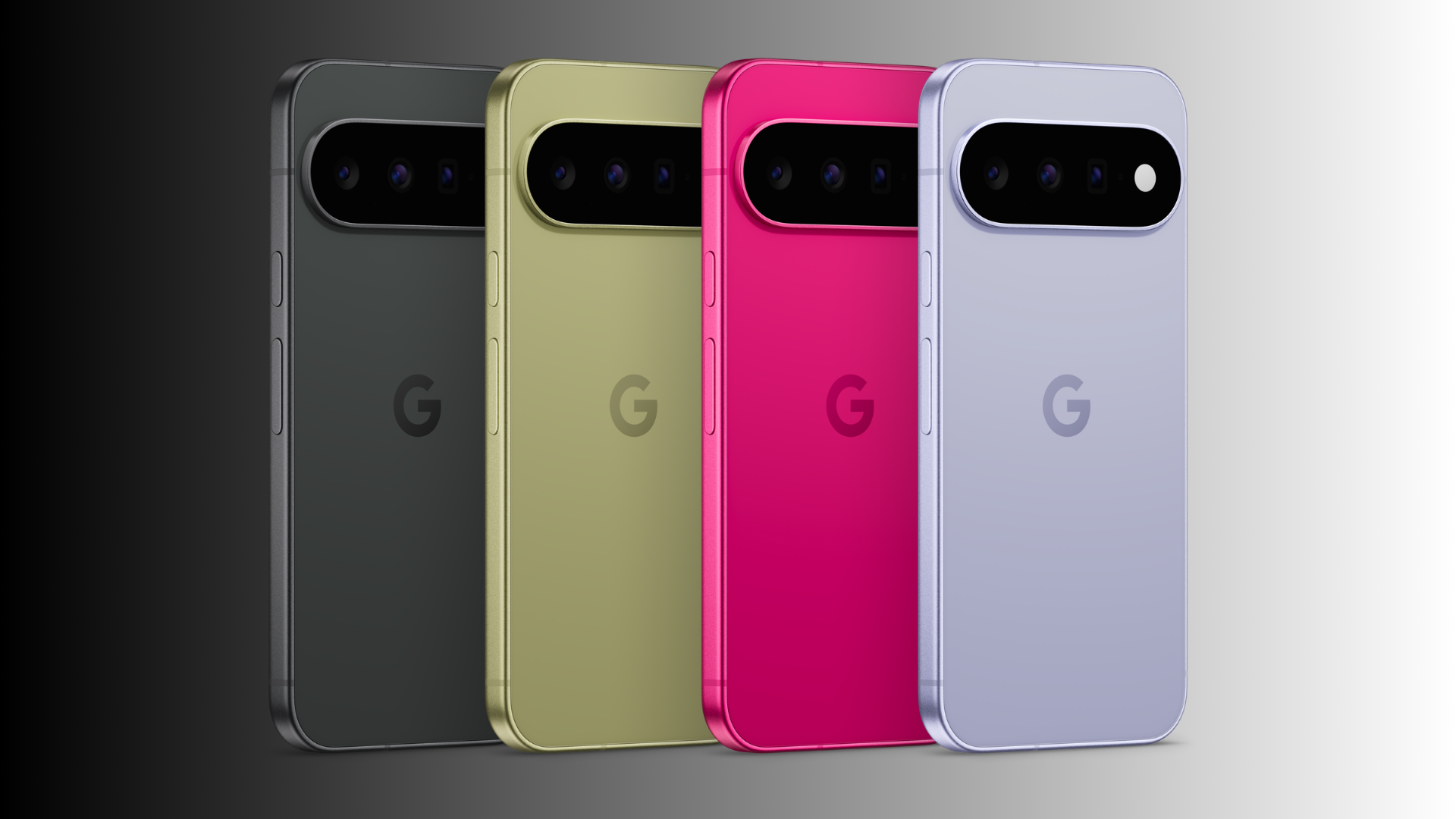
The Google Pixel 11 feels like a sensible evolution rather than a complete redesign. Google has improved the areas that matter most to Pixel users while keeping the clean software experience that made the series popular. The better battery, brighter display, Tensor G6 processor, improved cameras, and deeper AI integration make this a much more complete flagship than previous generations.
If you want a smartphone that takes excellent photos, offers clean Android, receives long-term software updates, and makes AI genuinely useful in everyday life, the Pixel 11 is an easy recommendation. But if your priority is gaming performance, extremely fast charging, or the biggest possible camera hardware, Samsung and the latest Chinese flagships may still offer a stronger overall hardware package. Overall, the Pixel 11 is not trying to be the most powerful smartphone. It is trying to be the smartest one — and that is still Google's biggest advantage.