Steemit Challenge Season 34 - Week 4: Question 2
Greetings everyone! This Mohammad Sumon! from #Bangladesh
Hello everyone! I hope you all are doing well by the grace of the Almighty.
Spreading positivity and creativity through my words.
In my view, Earth is our only home, yet the familiar environment around us is undergoing drastic changes due to our own errors and lack of awareness. Excessive greenhouse gases released into the atmosphere are trapping heat, causing the planet to heat up like a sweltering room. Amidst this, environmental scientists have issued an alarming warning: a powerful Super El Niño is set to strike the globe within the next six to nine months—an event that could surpass anything seen in the last 70 years.
Personally, I believe that rising sea levels and erratic seasonal shifts are not distant threats; they are the harsh realities of our lives today. As an ordinary Bangladeshi, this global forecast has deeply concerned me and instilled a sense of urgency to remain vigilant.
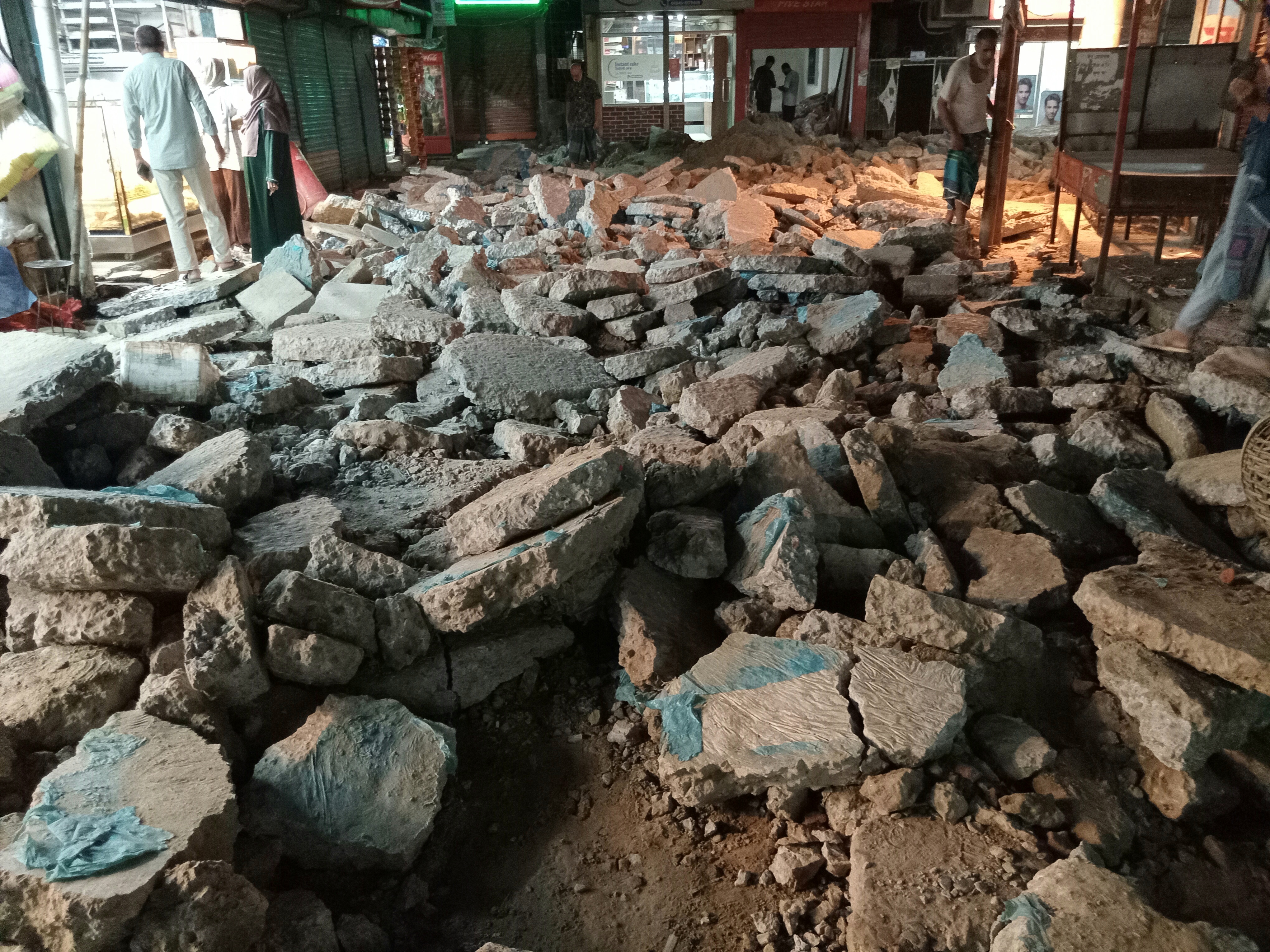
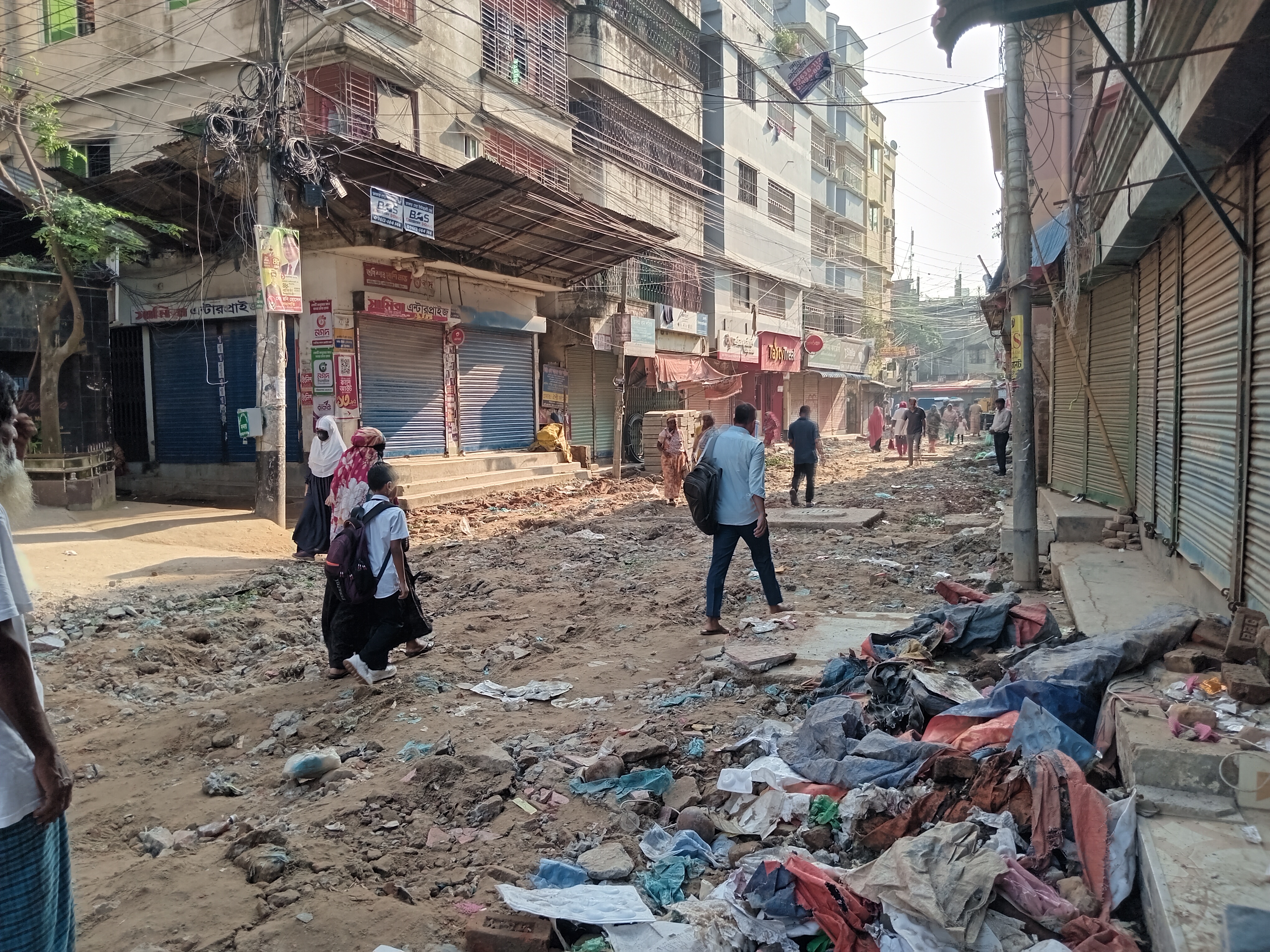
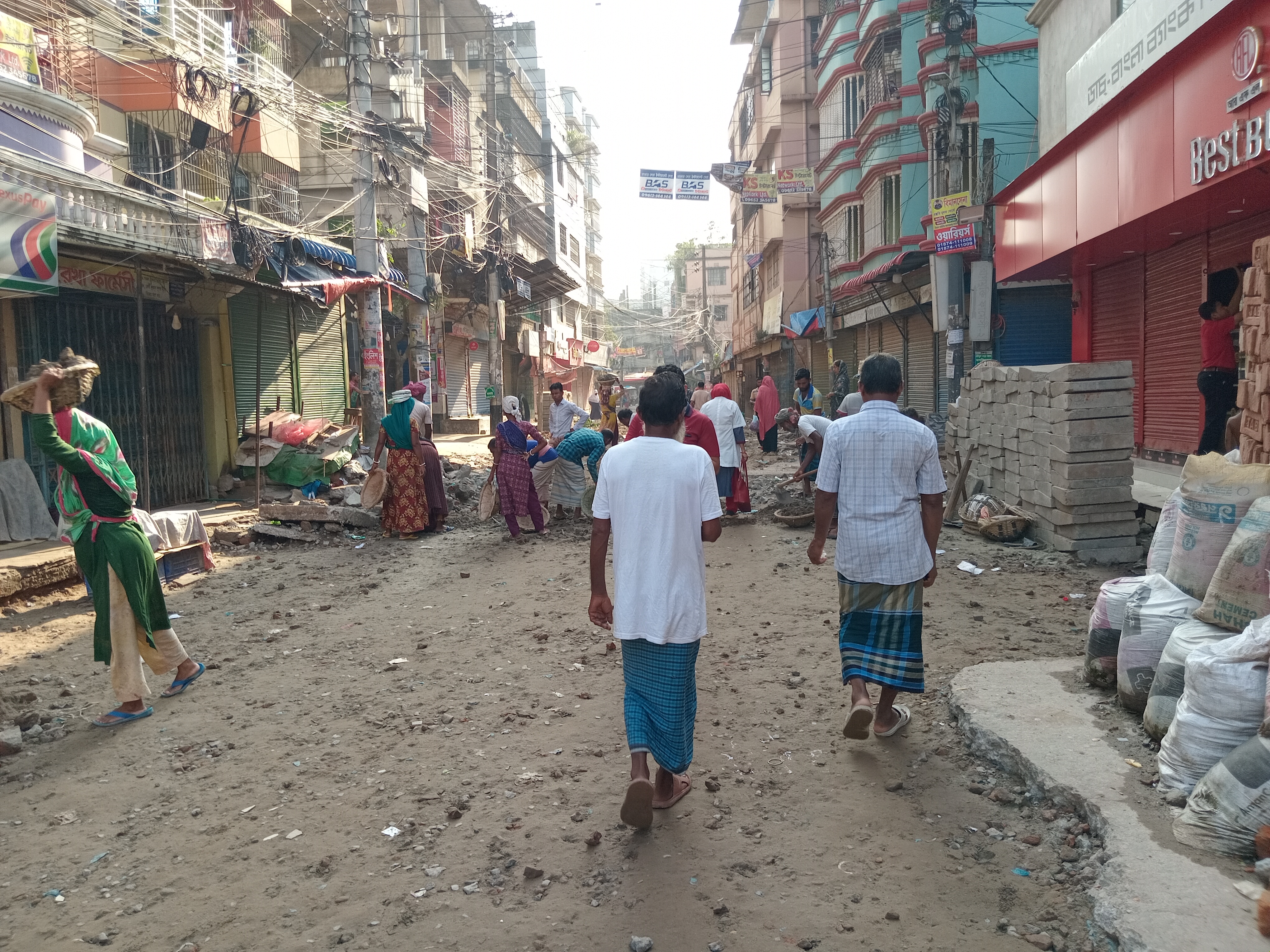
Walking past the excavated streets of my locality and watching neighbors struggle with a sudden surge in dengue cases, I realized how vulnerable we truly are to nature's changing rhythms. The news of an approaching Super El Niño over the next 6 to 9 months makes these everyday struggles feel even more urgent. Nature might be beyond our control, but our readiness isn't. Here is my personal reflection on how climate change is hitting home in Bangladesh and how we are getting ready to face it.
Preparing for Super El Niño: A Personal Perspective from Bangladesh
| How do you think this will impact your country? |
|---|
It seems to me that, due to its geographical location, Bangladesh always stands at the forefront of climate-related disasters. The global impact of a Super El Niño could trigger a multifaceted crisis affecting our agriculture, livelihoods, and public health. In my view, if severe drought conditions arise due to El Niño, vast tracts of agricultural land—particularly in the northern and northwestern regions—will parch and crack, severely jeopardizing the yields of our staple Aman and Boro rice crops.
 |
|---|
On one hand, we face the ravages of drought; on the other, the rise in sea levels caused by melting ice due to global warming poses another major threat. I believe that if melting ice allows saline seawater to intrude into coastal areas, it will not only exacerbate the shortage of potable water but also displace thousands of people from their homes, turning them into 'climate refugees.' Furthermore, erratic and extreme rainfall will lead to prolonged waterlogging in densely populated cities like Dhaka, completely disrupting the daily commutes and lives of ordinary working-class people.
 |  |
|---|---|
However, what alarms me most is the emerging health crisis resulting from climate change. Erratic climatic fluctuations have caused dengue fever to take a particularly vicious turn in Dhaka. Neighbors in three apartments within my own building have contracted dengue, and I heard just yesterday that local hospitals lack sufficient bed capacity for new patients. I personally believe that the arrival of a Super El Niño would push these health risks and the prevalence of mosquito-borne diseases to an uncontrollable level.
| Will you and your family make any special preparations to help deal with the worst impacts? |
|---|
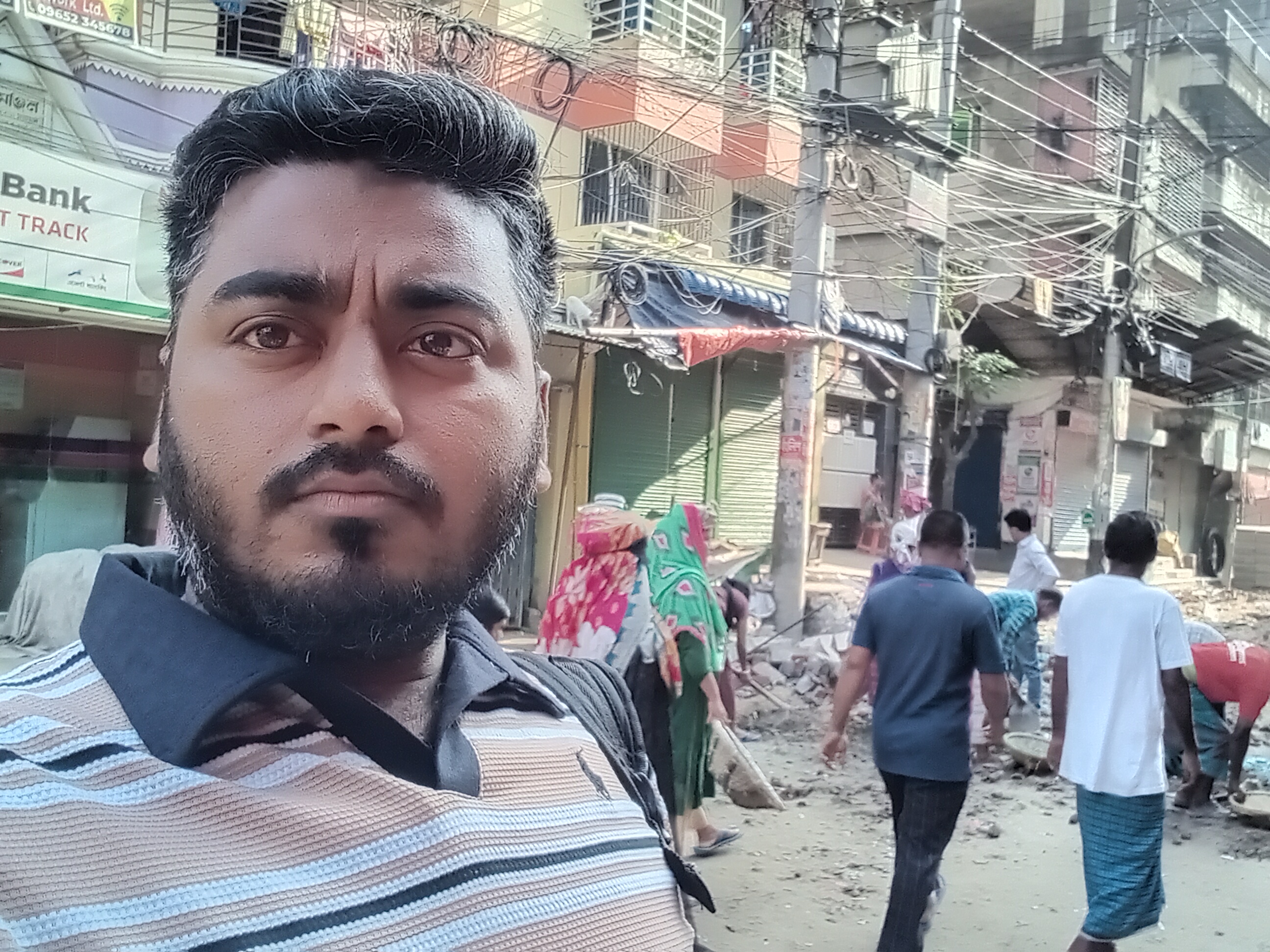
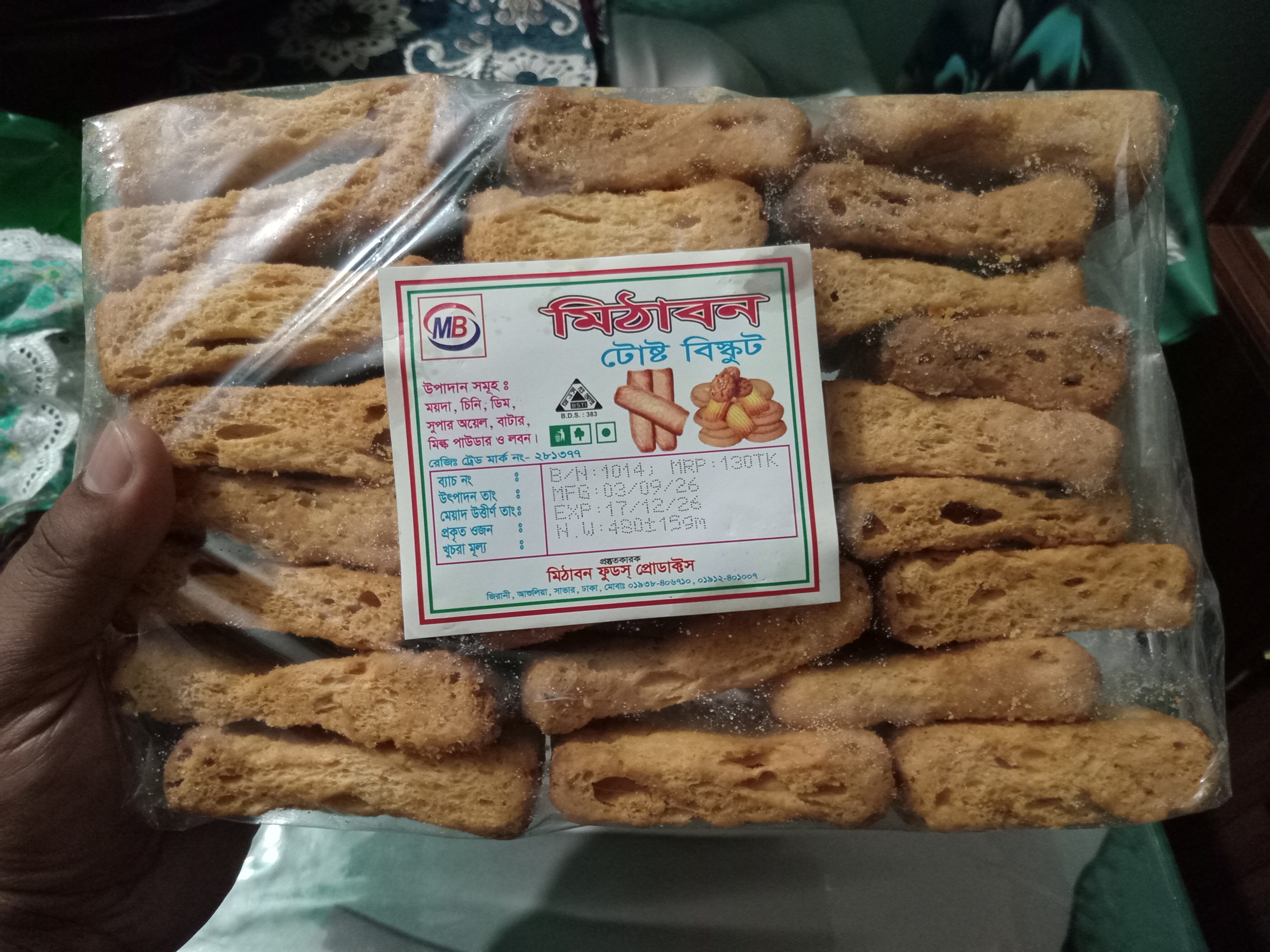
I personally believe that stopping nature is beyond our control, but preparing in advance to protect our families is well within our reach. To cope with potential disasters, my family and I have taken several effective steps at both personal and community levels. I feel that an improved drainage system is essential to handle heavy rainfall and flooding; therefore, to tackle the erratic rains of Super El Niño, broken roads and drainage networks are currently being renovated in our Manikdi area in Dhaka to prevent waterlogging. Furthermore, after witnessing the suffering of our neighbors firsthand, we have placed special emphasis on using mosquito nets, coils, and aerosols at home, while strictly ensuring no standing water remains around our premises. Since stepping outside becomes nearly impossible during sudden heavy downpours or prolonged waterlogging, I always try to store extra dry food (such as biscuits, puffed rice, and flattened rice) and purified drinking water at home so that we do not face a food shortage during emergencies. Additionally, as a precaution against unexpected power outages, we have kept charger fans and rechargeable lights ready and are consciously following habits to minimize unnecessary electricity waste.
 |
|---|
Emergency Preparation Budget Overview
| Preparation Item | Local Cost (BDT) | Equivalent STEEM (Approx. STEEM) |
|---|---|---|
| Emergency Dry Food Storage (Biscuits, Puffed Rice, etc.) | 500 BDT | 86 STEEM |
| Mosquito Nets, Aerosols & Dengue Prevention Supplies | 1,200 BDT | 207 STEEM |
| Water Purification Drops, Saline & Emergency Medicines | 800 BDT | 138 STEEM |
| Charger Fan & Rechargeable Lights | 2,500 BDT | 431 STEEM |
| Total | 5,000 BDT | 862 STEEM |
 |
|---|
In my view, climate change is not just a study published in scientific journals; it is the root cause of our daily hardships. While living in the Manikdi area of Dhaka may not expose us to river erosion, annual waterlogging and mosquito outbreaks deeply affect my thoughts. Alongside global awareness, our personal responsible actions can protect our families and our beloved nation from the incoming blow of Super El Niño.
As I look at the ongoing roadwork in Manikdi and take precautions for my family's health, I am reminded that surviving climate change requires both hope and action. The impending Super El Niño may test our patience and strength, but proactive preparation can make all the difference. Climate change hits home in ways we often overlook, but with personal responsibility and community unity, we can protect what matters most.
I would like to invite @pandora2010, @dove11, and @rosselena to participate in this contest. Hope to see your wonderful entries! 🙂

If you enjoyed my post, feel free to upvote, comment, and share your thoughts. Your support keeps me motivated!
Thank you very much ❤️
X-promotion: https://x.com/sumoncantt/status/2100625925054562454?s=20
Que bueno que estén tomando todo tipo de precauciones, pero le pido a Dios que no suceda nada malo, porque no todo somos los culpables de que la tierra se esté deteriorando, aquí en dos ocasiones nos inundamos y eso que decían que El niño medio paso, así que no me quiero imaginar si pasa por completo que sea Dios nuestro protector.
Te deseo el mejor de los éxitos.
Muchas Bendiciones.. 🙏🏻
Greetings, friend @sumon247
There is no doubt that the effects of a "Super El Niño" would have repercussions in your country, Bangladesh, triggering a severe crisis. It could cause droughts that would significantly impact agriculture, thereby endangering the Aman and Boro rice crops.
At the household level, people are preparing to implement a series of preventive measures, such as using mosquito nets, repellent coils, and household sprays, in addition to ensuring there is no standing water.
I hope, my friend, that this phenomenon does not have such a severe impact on your country.
Best wishes to you, friend.
#s34engagement