sanc7: Share your thoughts about MEMORIES
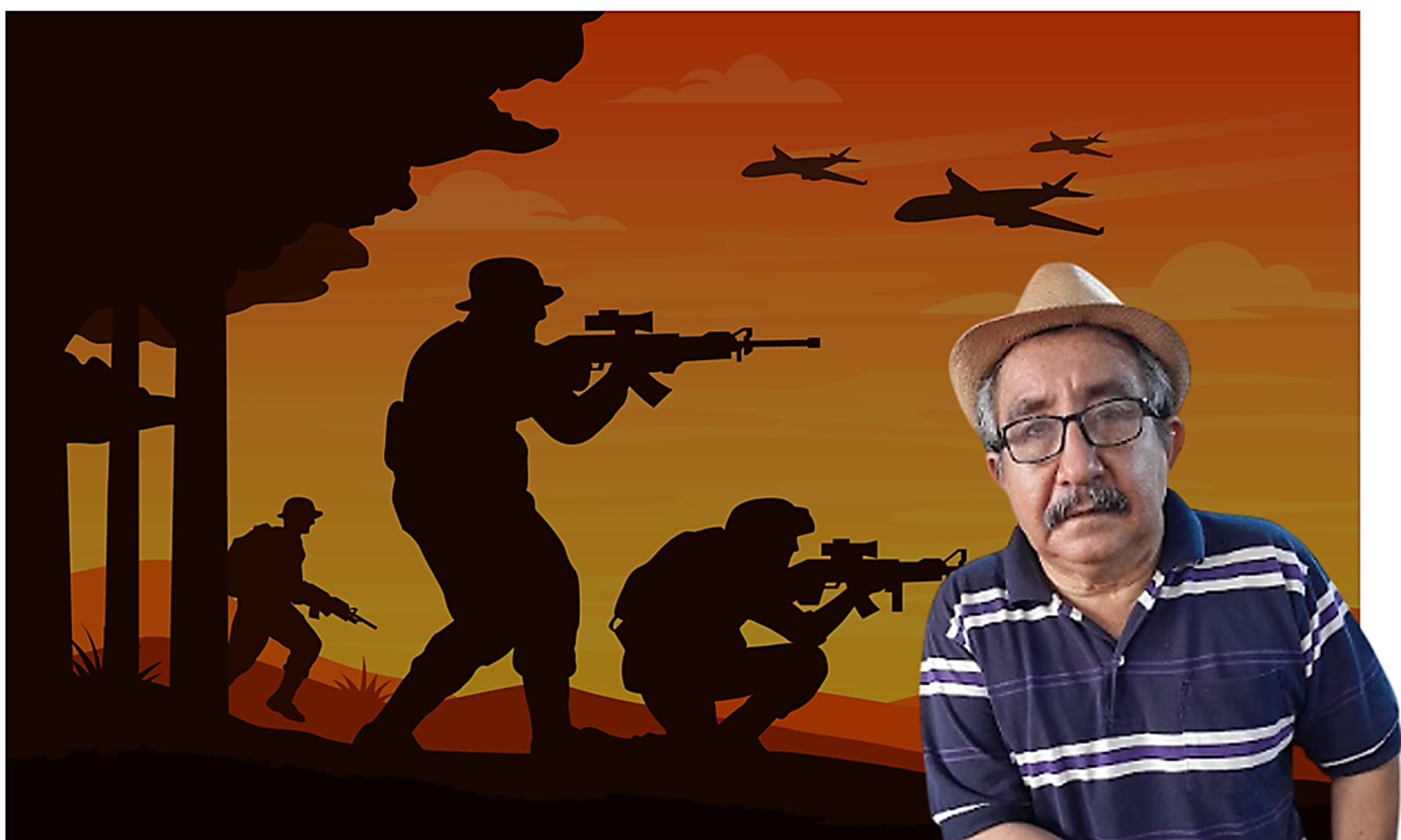
Imagen propia / F
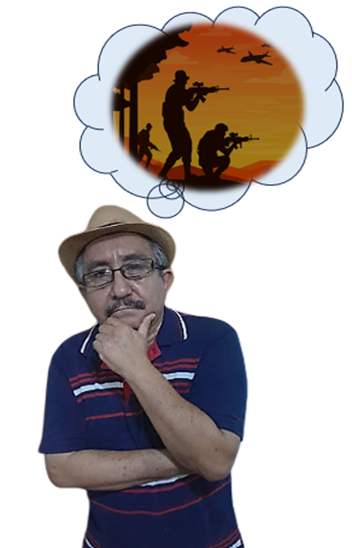
Memories are one of the qualities that define us as humans, as rational beings. Indeed, through memory we can revisit the recent or distant past to relive pleasant or painful moments and, above all, to learn from those experiences so as not to repeat the same mistakes we’ve already made, to build a better present, and to plan for our future development and stability. Only our species has this ability to recall what we’ve experienced and envision what lies ahead, all while existing in the present moment.
Recuerdos...
Memories, however—perhaps due to the unfathomable mysteries hidden within the human mind—often function in accordance with our deepest desires or interests, and are influenced by the beliefs we choose to accept. In this vein, we find the words of the Colombian novelist and Nobel Prize in Literature laureate Gabriel García Márquez, who wrote: “Life is not what one has lived, but what one remembers, and how one remembers it in order to recount it,” thereby asserting that absolute, objective reality does not exist once it passes through the filter of our introspection; what we recall will always be a biased version of our most intimate pretensions.
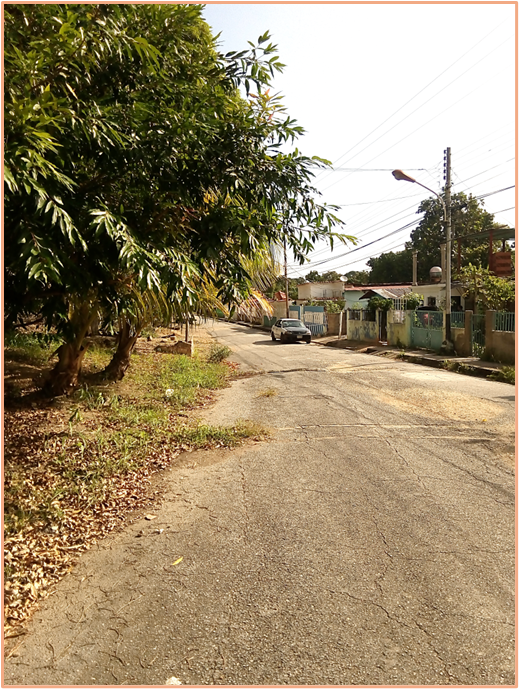
Personally, I am not only convinced that memory possesses the natural ability to reinvent what has happened, but also that it is capable of making us believe we have witnessed experiences in which we have never, in reality, participated. For as long as I can remember, for example, I have heard the town’s elders recount countless times the shocking military combat that took place there as a result of a coup attempt.
El pueblo
Everyone described those thrilling events that took place in that provincial corner, accustomed to the tranquility of rural life, as something truly extraordinary: the march of armed soldiers along the roads, the exchange of gunfire with some rebels in the mountains, the airplanes flying very low in the sky, and the fear—mixed with curiosity and uncertainty—that they were experiencing at that moment…
After hearing those exciting and extraordinary stories so many times, I became convinced that I remembered—albeit very vaguely, since I was just a young child at the time—the soldiers running along the road near my house and several airplanes that flew close to the tallest trees in the yard that day; I could even see myself, barefoot, shirtless, and wearing short pants, standing next to the tank in the yard, watching intently as the coup d’état caused an unusual commotion in the town.
Much later, however, when I read a news article about this historic event that appeared in a local newspaper, I was taken aback to discover that it had happened in 1962—a year before I was even born. Therefore, all those distant memories in my mind were merely the product of my imagination, my curiosity, and my longing to also witness a fascinating story that had taken place in my town. These are the pitfalls of a restless memory, of a mind that forges the experiences that seem most meaningful to it.

Invito a los amigos: @lunasilver, @wgonz y @teukuipul87
Note: Images that are not cited with their respective sources belong to the author and were taken with a cell phone camera, model: Samsung SM-A135M.
Esa frase de Gabriel García Márquez tiene el mejor de los sentidos con relación a los recuerdos. Recordar con la mejor actitud es lo mejor de ese pasado que aún toca nuestros pensamientos, y regresar a ese recuerdo permite hablar de ellos con mucho gusto.
#s34engagement
This is a very thoughtful and fascinating reflection on memories and how our minds can sometimes reshape the past. I especially enjoyed the personal story about the military events in your town and how you later discovered that the event happened before you were even born. It beautifully shows how stories repeated over time can become so vivid that we start feeling as if we experienced them ourselves.Your words about memory, imagination, and the way we interpret our experiences are really meaningful. The connection with Gabriel García Márquez’s quote also adds depth to the post. Thank you for sharing such an interesting and thought-provoking memory with us.
#s34engagement.
Podemos concluir, entonces, que la memoria nos hace trampas para mantenernos tranquilos o para buscar las explicaciones que más nos convienen de los hechos del pasado que rememoramos... Muchas gracias por sus magníficos comentarios. Saludos.