Steem4nigeria Accelerator Contest Week 149 “The Artisan Chronicles”
An Experience I Have Had with an Artisan
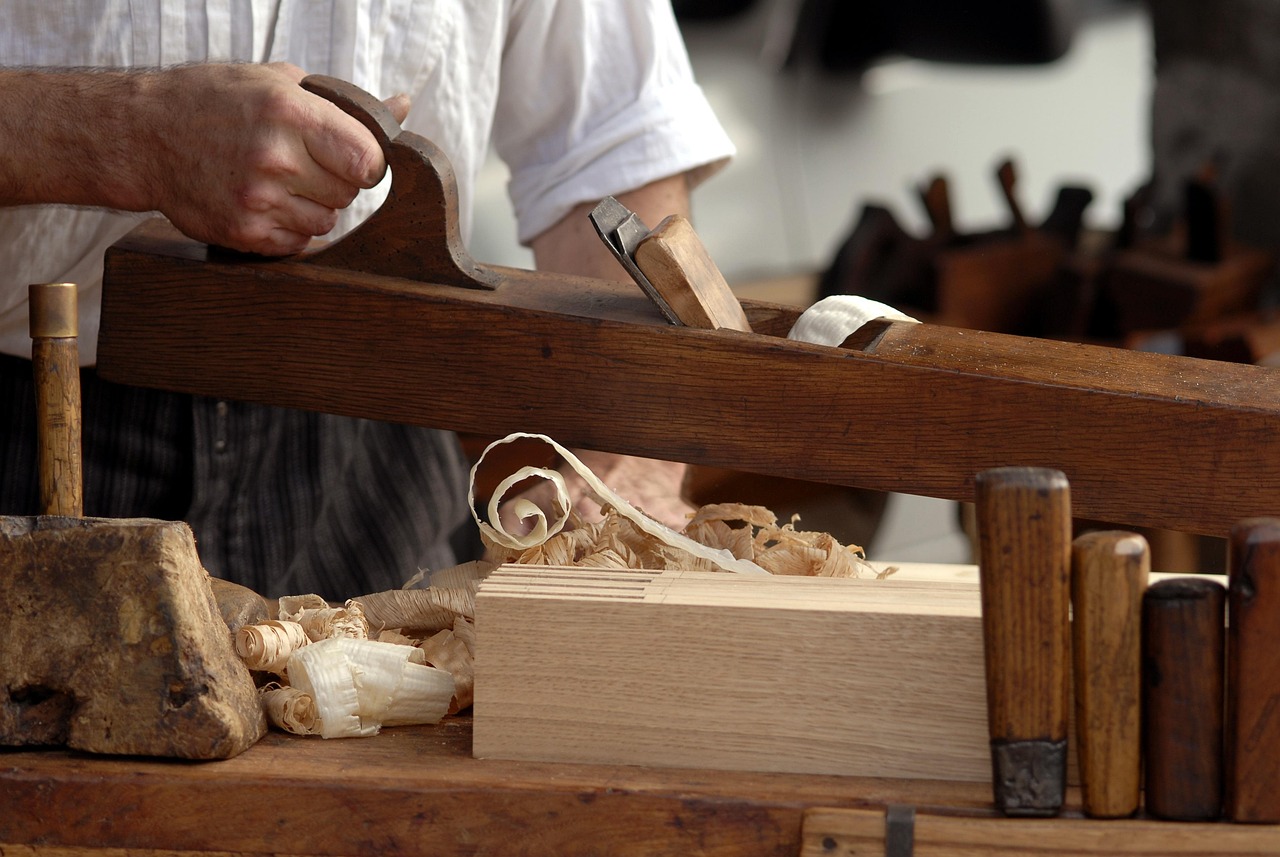
I contracted out an individual woodworker about a year ago for a custom wardrobe for our bedroom. He clearly was a craft person, his work was beautiful, and he was well-informed and passionate about woods and finishes. The unfortunate thing about it was something he’d estimated would take about a week did actually end up take around three and a half weeks.
There would be days where I didn’t hear from him at all, the cost of materials jumped inexplicably over previous quotes and he’d dodge any questions about how much longer the wardrobe would take.
By the time it was finished it was a beautifully constructed wardrobe, but my enjoyment of receiving my custom made wardrobe had been well and truly poisoned with the stress and uncertainty it’d caused.
The Biggest Problem Between Artisans and Customers
For me, the single biggest issue in this equation is that there is no clear understanding, communication or trust about expectations on either side of the exchange. Artisans tend to think on a fluid timeline but have a highly structured work process whereas the customers think in terms of a definitive timeline, usually with some allowance for minor flexibility but definitely in terms of set costs.
Artisans often fail to tell the customer their works taking longer than initially projected or a problem has occurred, so customers feel they have been taken advantage of. However, customers often underestimated the work involved, skill required and ‘hidden’ costs of the craft so ask for work be done on deadlines that are unreasonable or are too aggressive with price negotiating.
Should a Customer Pay an Artisan the Full Amount Before Work Is Completed?
Absolutely not, no customer should ever agree to pay 100% of the sum of a commission to the artisan before any part of the work is completed. To do so will strip any leverage that you hold and leave you fully exposed to delays, shoddy work and even abandonment of work and so, you get absolutely no guarantees from the artisan at all. In many cases, even 50% at the very least up front payment to cover the purchase of materials is required but it would be generally and ethically most practical and fairest to, agree a payment plan.
What Artisans and Customers Can Do Differently to Make Their Working Relationship Better
Firstly, the artisan need to realize they must treat their work more like a professional business and not just a hobby that someone is prepared to pay for. Any good, professional artisan should give detailed, written estimates and communicate proactively when they face an unforeseen problem and tell them it will impact on the timeframe, if they run late at all. However, customers too must try and help artisan’s out too.
Rather than trying to beat artisan down on price by asking their work done to an excessively low standard in terms of time it may take, consider them as a highly skilled professional service who is providing something that will be used for many years to come. If they offer to produce a high quality, durable, custom made piece they are offering a higher quality item than a mass-produced one, and will consequently require a higher level of financial consideration.
Thanks for reading my post I'm inviting @bela90, @rad-austine and @chant to participate.
TEAM 5
Congratulations! Your post has been upvoted from sc-07 account.What caught my attention was the point about communication between artisans and customers. The wardrobe experience is a good example of how even excellent workmanship can become stressful when there are delays, unexplained changes in cost, and poor communication.
I also agree with your suggestion of using a payment plan rather than paying the entire amount upfront. At the same time, I like that you didn't put all the blame on artisans—you also pointed out that customers sometimes underestimate the skill, time, and materials required for quality work.
One small correction: “the artisan need to realize” should be “the artisan needs to realize,” and “customers too must try and help artisan’s out” would be better as “customers too must try to help artisans out.” Also, since this is an experience-based contest, adding a little more detail about the actual wardrobe or your communication with the carpenter could make the story even more engaging.