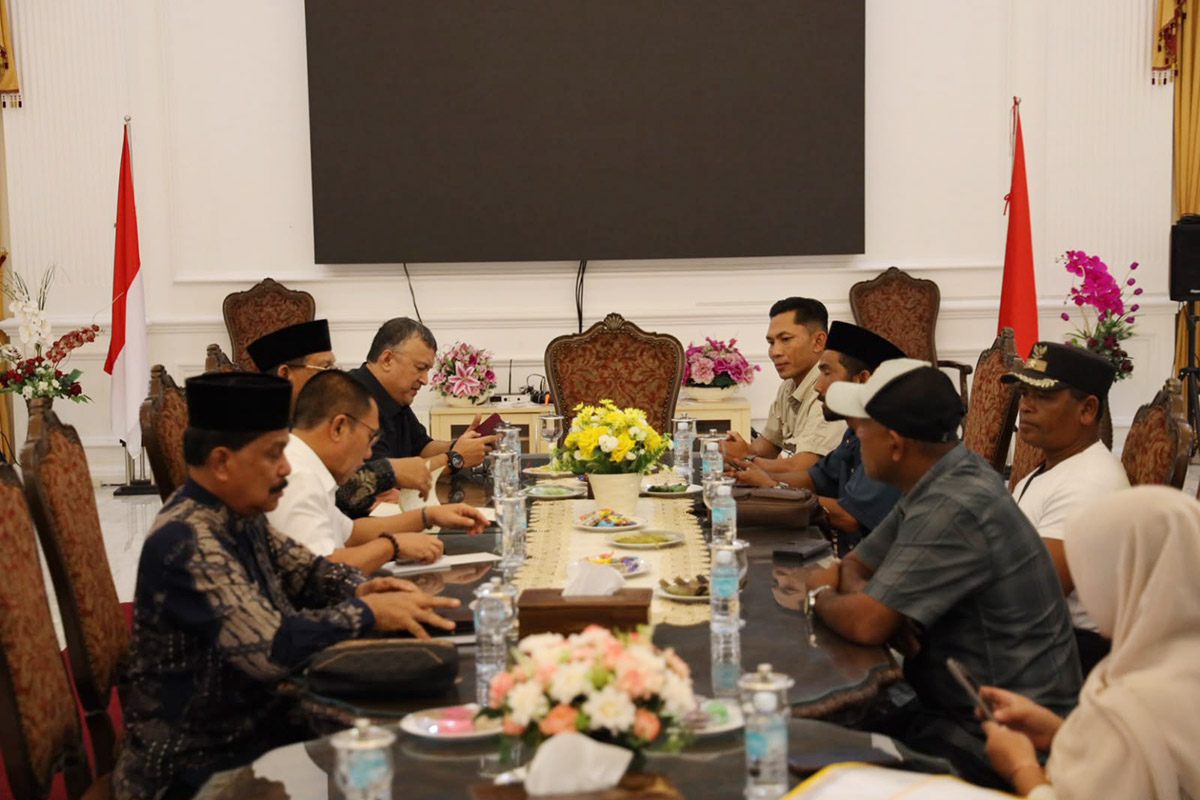
Reje (Traditional Leaders) Forum Demands Justice Regarding Customary Land Rights, Customary Forests, and Authority
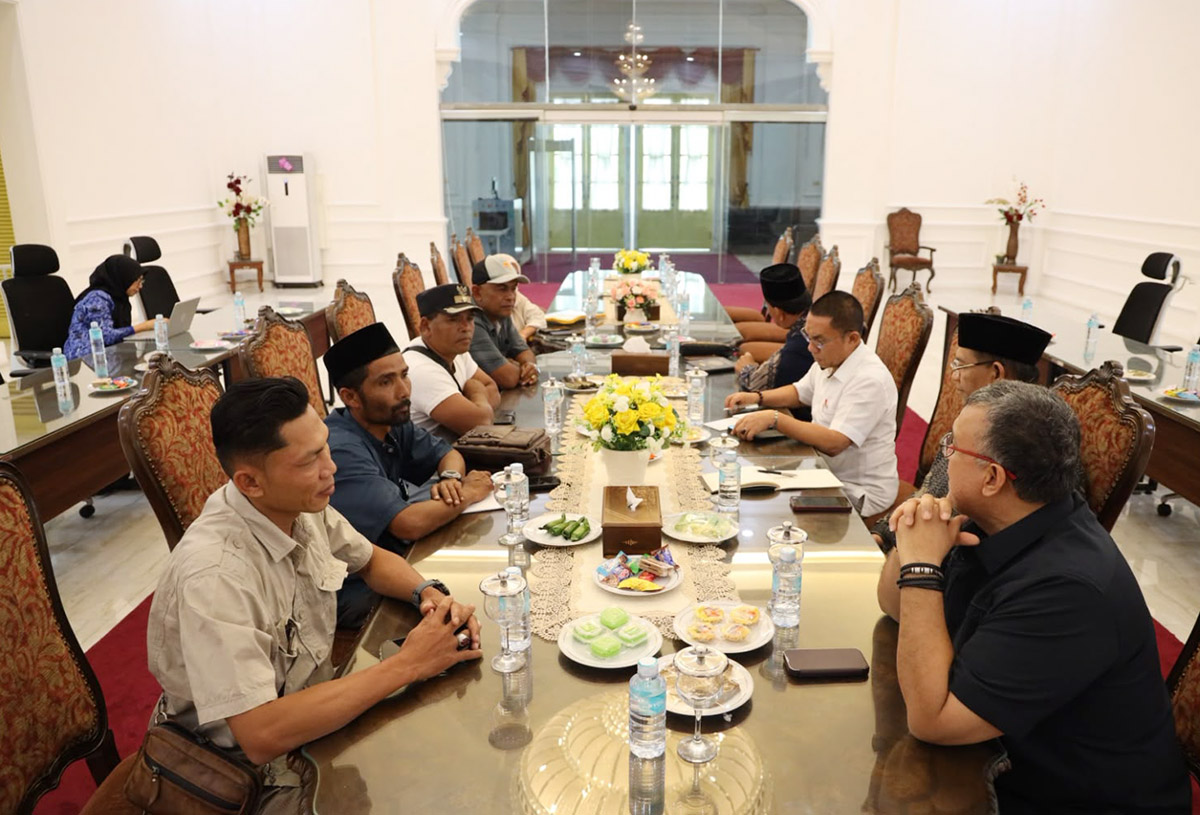
The Reje Forum (representing traditional leaders of the Gayo tribe), together with representatives of indigenous communities from Central Aceh Regency, conveyed a number of concerns regarding land issues to the Wali Nanggroe Aceh Institution. These concerns encompassed customary land, customary forests, customary land rights (hak ulayat), the authority of indigenous communities in forest management, and the demarcation of customary territorial boundaries.
These concerns were voiced during a meeting with the Wali Nanggroe Institution in Banda Aceh.
"This meeting served as a dialogue platform for the reje and indigenous community representatives to articulate various issues that communities in several areas of Central Aceh Regency have been facing," said Zulfikar Idris, Head of the Public Relations and Cooperation Division of the Wali Nanggroe Institution, following the meeting on Thursday, September 17, 2026.
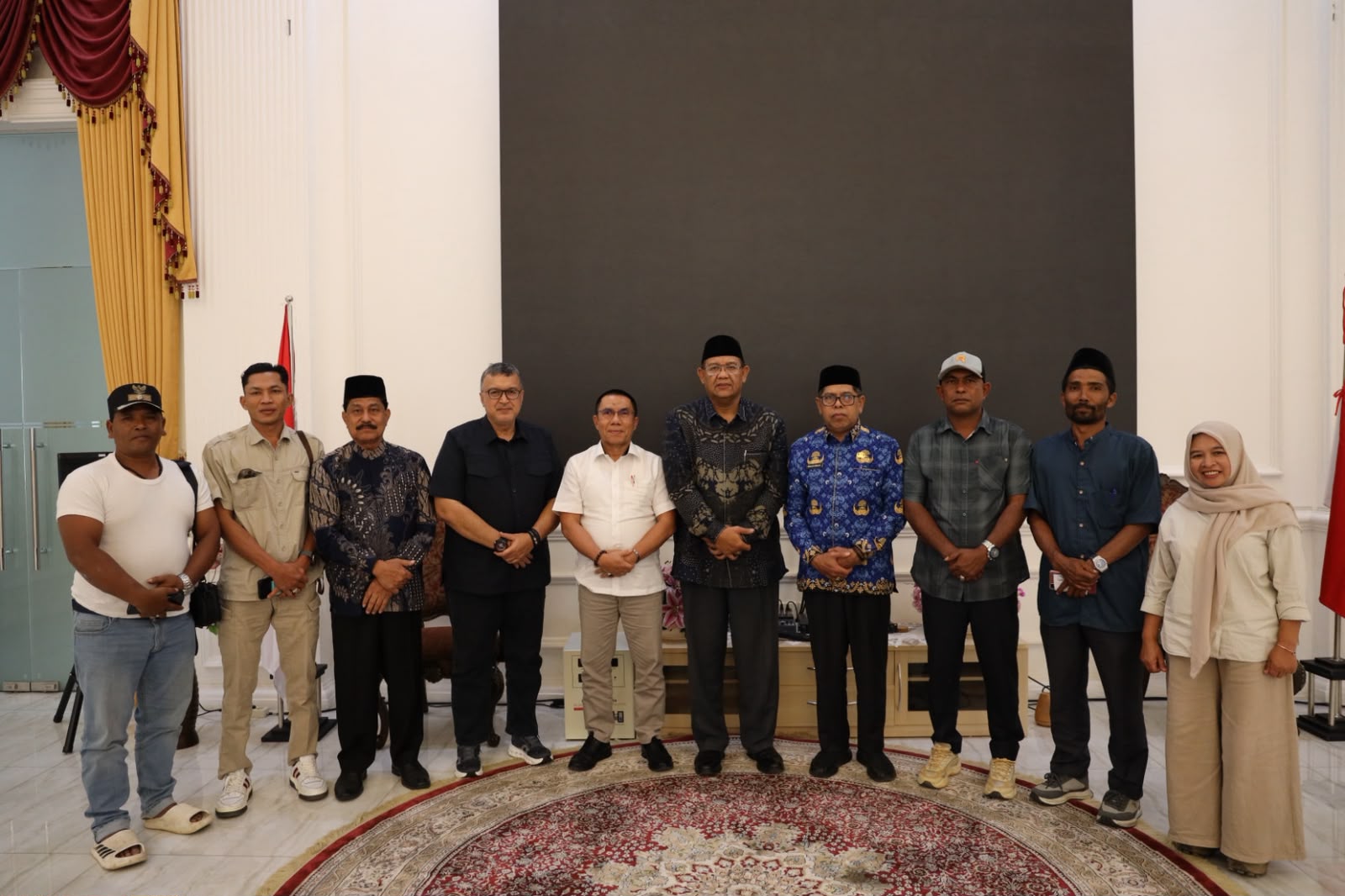
Attendees representing the Wali Nanggroe Institution included Tuha Peut Council member Prof. Dr. Syahrizal Abbas, MA; Special Staff members Dr. M. Raviq and Prof. Dr. Rustam Effendi; and Khatibul Wali Abdullah Hasbullah.
Meanwhile, representatives from the All-Indonesia Village Government Association (APDESI) and the Central Aceh Regency Reje Forum included Abdul Wahid (Chairman of the Central Aceh Regency Reje Forum/APDESI), Bukhari (representing the Rusip Antara District forum), Hasan Basri (representing the Silih Nara District forum), Wahyu Putra (representing the Linge District forum), Ridwansyah (representing the Bintang District forum), and Armaja (representing the Ketol District forum).
Abdul Wahid, Chairman of the Central Aceh Regency Reje Forum/APDESI, stated that issues regarding customary land and forests are not new. He noted that these problems have persisted for a long time, necessitating more concrete solutions through the involvement of various stakeholders.
He expressed appreciation to the Wali Nanggroe Institution for receiving and directly listening to the concerns conveyed by the Reje Forum and the representatives of the Central Aceh community.
Abdul Wahid hopes that the meeting will not end merely with the voicing of these concerns. “This marks an initial step toward resolving issues regarding land, forests, and the rights of indigenous communities in Central Aceh,” said Abdul.
Prof. Dr. Syahrizal Abbas, MA, a member of the Tuha Peut Council of the Wali Nanggroe Institution, expressed his appreciation to the Central Aceh chapter of APDESI, the Reje Forum, the Mukim Forum, and the various parties who attended to voice their aspirations in person.
According to Prof. Syahrizal, the issues discussed are closely linked to the existence and authority of indigenous communities—specifically regarding customary rights (hak ulayat), customary land, indigenous authority over forest management, and the boundaries of customary territories.
“In principle, these are shared issues. The Wali Nanggroe Institution will conduct a review and take action by communicating with the central government as well as authorities at the Aceh provincial, regency, and national levels,” Prof. Syahrizal explained.
He emphasized that the Wali Nanggroe Institution serves as an umbrella organization for all the people of Aceh. Therefore, issues concerning indigenous communities can be brought to the institution for discussion and to seek solutions.
Throughout this resolution process, the Wali Nanggroe Institution also stressed the importance of all parties maintaining public safety and order. A safe and conducive environment is considered essential for resolving issues through deliberation and established institutional mechanisms.
The Reje Forum and Mukim Forum in Central Aceh were also encouraged to engage in deliberations and organize mukim territories. Such steps are necessary to clarify customary boundaries and the rights of the indigenous communities within them.
Furthermore, coordination will be carried out with various stakeholders, including the Gayo Customary Council (MAG) of Central Aceh and the Central Aceh Regional House of Representatives (DPRK). Relevant documents concerning indigenous territories and rights will also be gathered to serve as material for the review and subsequent actions.
All documents and the results of these coordination efforts will be submitted to His Excellency the Wali Nanggroe for his attention and further action.
During the meeting, Prof. Syahrizal also touched upon the historical aspects of the Central Aceh region—specifically the existence of the Linge Kingdom—as part of the long history of governance and customary territories in Aceh.
Historical significance is a key factor to consider when examining the status of the territory and the rights of indigenous communities in Central Aceh.
“Long before the Republic came into existence, that kingdom, that territory, and those lands and forests were already there. Let us return them to their true owners: the community,” said Prof. Syahrizal.[]