The Splendor of the Northern Lights: Nature’s Greatest Light Show
For centuries, the Aurora Borealis—commonly known as the Northern Lights—has captivated travelers, photographers, and dreamers alike. Dancing across the Arctic night sky in mesmerizing waves of emerald green, vibrant violet, and electric pink, this celestial phenomenon is undeniably one of nature’s most awe-inspiring spectacles.
What Causes the Northern Lights? Scientifically speaking, the Northern Lights are the result of a cosmic dance between the Sun and Earth. Energetic particles streaming from the sun (the solar wind) collide with gases in Earth’s upper atmosphere.
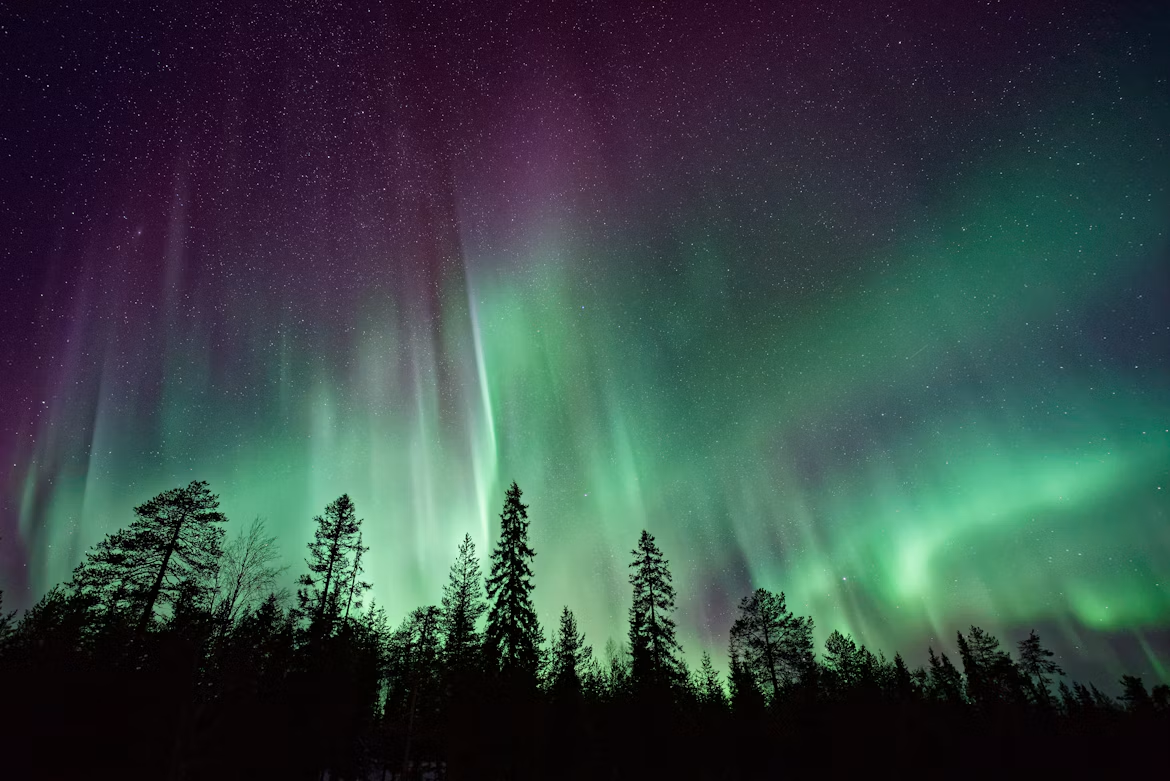
When these charged particles interact with oxygen and nitrogen molecules, they release energy in the form of brilliant, shifting lights. This magic primarily occurs within the "auroral zone," spanning high-latitude regions like Norway, Iceland, Canada, and Alaska.
Chasing the Aurora: Where and When to Go To witness this breathtaking display, timing and location are everything. Peak aurora season generally runs from late September to late March, when long, dark winter nights provide the ultimate canvas.
Destinations such as Tromsø in Norway, Lapland in Finland, and Yukon in Canada offer prime viewing conditions. Away from the light pollution of bustling cities, standing beneath a starlit Arctic sky as the horizon suddenly erupts in glowing ribbons of color is a humbling, unforgettable experience.
A Bucket-List Experience Whether you view them from a cozy glass igloo or while dogsledding through pristine snow, the Northern Lights offer a profound reminder of the beauty and mystery of our universe. It is a bucket-list adventure that transcends mere sightseeing—it stirs the soul and leaves you forever changed by the sheer splendor of the natural world.