How to Start a Daily Meditation Practice as a Beginner
Starting a daily meditation practice does not require long sessions, special equipment, or previous experience. For most beginners, the best approach is to meditate for 5–10 minutes at the same time each day, using a simple breath-awareness technique. With regular practice, meditation can support calmer thinking, better focus, emotional balance, and a more mindful response to everyday stress.
What Is Meditation?
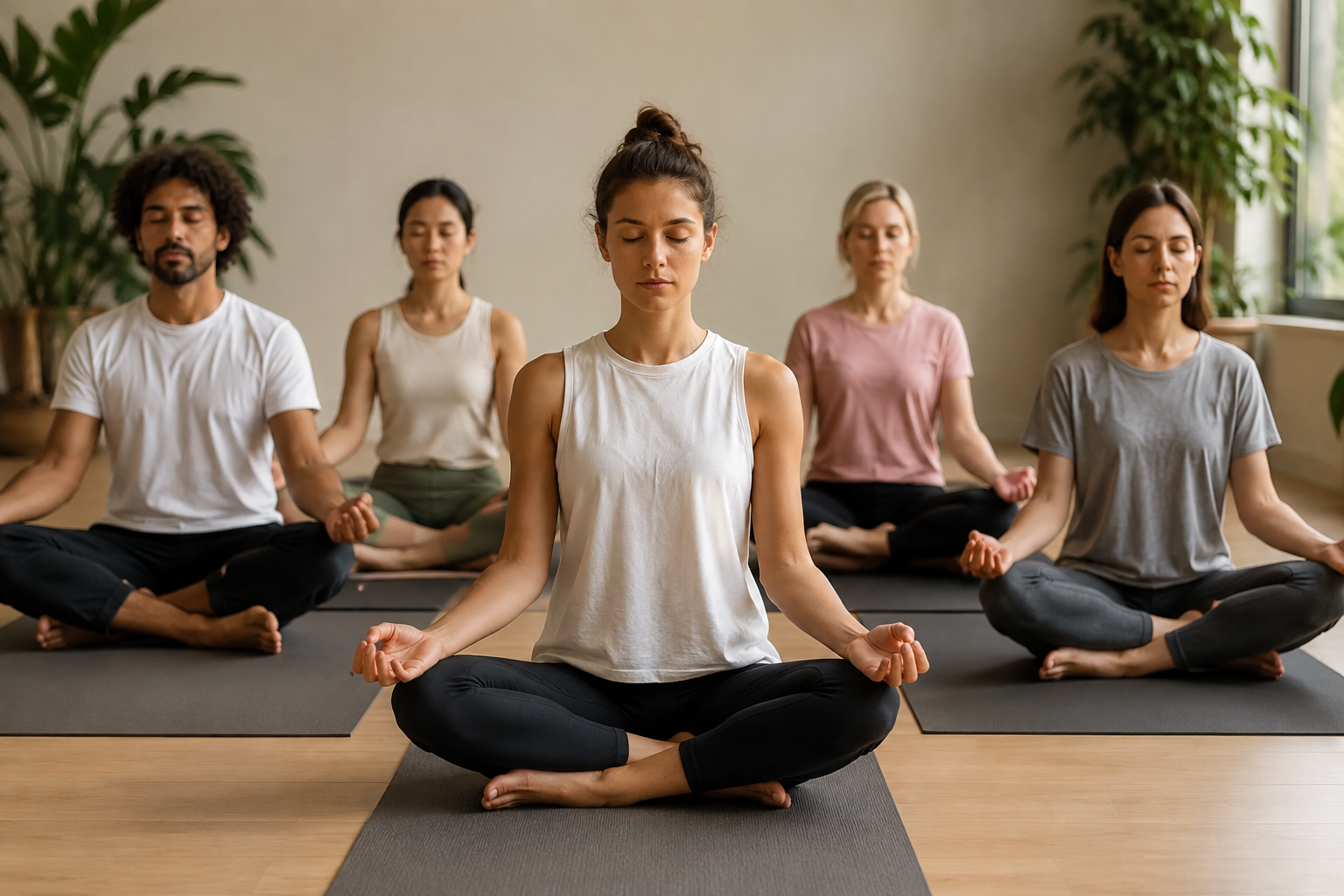
Meditation is a practice of training attention and awareness. Instead of allowing the mind to constantly jump between plans, memories, worries, and distractions, you learn to notice what is happening without immediately reacting to it.
For beginners, meditation can be as simple as sitting quietly and observing the natural rhythm of the breath.
The goal is not to stop thinking. Thoughts will continue to appear. The practice is learning to recognize when your attention has wandered and gently bring it back.
This simple process is the foundation of mindfulness meditation.
How Long Should a Beginner Meditate?
You do not need to meditate for 30 or 60 minutes to make your practice meaningful. Starting small makes it easier to build consistency.
A practical beginner schedule is:
- Week 1: 5 minutes each day
- Week 2: 7–10 minutes each day
- Week 3: 10–15 minutes each day
- After one month: Continue with 10–20 minutes if comfortable
The most useful question is not, “How long did I meditate?” but “Did I practice today?”
A short session that you repeat regularly is usually easier to maintain than an ambitious routine that quickly becomes difficult to follow.
How to Start a Daily Meditation Practice
1. Choose a Realistic Time
Pick a time that fits naturally into your routine. Early morning can work well because there are often fewer interruptions, while evening meditation may help you transition away from a busy day.
Avoid choosing a time simply because it sounds ideal. Choose a time you can realistically maintain.
2. Find a Comfortable Place
You do not need a dedicated meditation room. A quiet corner of your bedroom, living room, or office can work.
Sit on:
- A meditation cushion
- A yoga mat
- A firm chair
- A folded blanket
Keep your spine comfortably upright without making your posture rigid.
3. Begin With Your Breath
Close your eyes or soften your gaze. Notice your breathing without trying to change it.
Pay attention to:
- The movement of your abdomen
- Air moving through your nostrils
- The natural rhythm of inhalation and exhalation
- The physical sensations associated with breathing
When your mind wanders, simply notice it and return to the breath.
That return is not a failure. It is the practice.
A Simple 5-Minute Meditation for Beginners
If you are unsure how to meditate, try this basic sequence:
Minute 1 – Settle:
Sit comfortably and notice your body. Allow your shoulders, jaw, and hands to relax.
Minutes 2–3 – Observe:
Follow each natural inhalation and exhalation. There is no need to control the breath.
Minute 4 – Notice:
When thoughts, sounds, or sensations appear, acknowledge them without judging yourself.
Minute 5 – Return:
Bring your attention back to breathing. Before opening your eyes, notice how you feel.
This beginner meditation can be practiced almost anywhere and requires no complicated technique.
What If Your Mind Keeps Wandering?
This is one of the most common concerns among new meditators.
You may sit down expecting peace and suddenly remember an unfinished email, replay a conversation, think about dinner, or start planning tomorrow. This is normal.
Meditation does not require perfect concentration.
Try this approach:
- Notice that your attention has wandered.
- Avoid criticizing yourself.
- Identify the next breath.
- Return your attention to that breath.
- Repeat whenever necessary.
Think of each return as another repetition in mental training. Over time, recognizing distraction can become easier.
Build a Meditation Habit That Lasts
Consistency becomes easier when meditation is connected to something you already do.
For example:
Wake up → drink water → meditate → begin the day
Or:
Finish work → change clothes → meditate → start your evening
This technique reduces the need to make a new decision every day.
You can also prepare your space in advance by keeping your cushion or mat ready. Small environmental cues can make a surprising difference when building a daily meditation practice.
If you want more structured guidance and formal study, an Arhanta Yoga Meditation Teacher Training Online program can provide a deeper foundation in meditation methods and teaching principles.
Common Beginner Mistakes to Avoid
Meditation becomes unnecessarily difficult when beginners expect immediate results.
Watch out for these habits:
- Trying to completely empty the mind
- Starting with sessions that are too long
- Changing techniques every day
- Judging yourself for having thoughts
- Practicing only when you feel stressed
- Treating meditation as another task to complete
- Expecting every session to feel peaceful
Some sessions may feel calm. Others may feel restless or distracted. Both are part of learning.
How Meditation Can Support Everyday Wellbeing
Regular meditation may help develop greater awareness of thoughts, emotions, physical sensations, and habitual reactions. Many people use mindfulness practices as part of a broader approach to stress management, mental clarity, and emotional wellbeing.
It can also complement other healthy habits such as regular movement, adequate sleep, balanced nutrition, and time away from screens.
Meditation should not be treated as a replacement for professional medical or mental-health care when that care is needed.
Make Meditation Simple Enough to Continue
A successful beginner meditation practice does not need to look impressive. It needs to be realistic.
Start with five minutes. Sit comfortably. Follow your breath. Notice when your attention wanders. Return without judgment. Then do it again tomorrow.
As the habit becomes familiar, you can explore mindfulness meditation, guided relaxation, breath awareness, and other meditation techniques. The real value comes from making practice part of ordinary life rather than waiting for the perfect conditions.
Start small, practice regularly, and let consistency, not perfection, shape your meditation practice.
Frequently Asked Questions
1. What is the best meditation for beginners?
Breath-awareness meditation is a simple starting point because it requires no equipment and gives you a clear object of attention. Guided meditation can also help beginners who find it difficult to practice independently.
2. How many minutes should I meditate each day?
Start with 5–10 minutes. Once that feels manageable, gradually increase the duration. Consistency is generally more useful for habit-building than forcing yourself into long sessions.
3. Can I meditate while sitting in a chair?
Yes. You do not have to sit cross-legged on the floor. A chair can provide comfortable support while allowing you to keep your spine naturally upright.
4. Is it normal to think during meditation?
Absolutely. Thinking is a normal part of the experience. The practice is noticing thoughts without getting carried away by them and returning attention to your chosen focus.
5. Should I meditate in the morning or evening?
Either can work. Morning meditation may help establish a calm start to the day, while evening practice can create a quiet transition after daily activities. Choose the time you can maintain consistently.
6. How long does it take to develop a meditation habit?
There is no fixed timeline. Some people settle into a routine within weeks, while others need longer. Attaching meditation to an existing daily habit can make consistency easier.
7. Can beginners practice meditation without a teacher?
Yes. Basic techniques can be learned independently. However, structured instruction can be useful when you want to understand different meditation methods, traditional foundations, or how to guide meditation for others.