How to Build Meta Lead Ads That Drive Sales-Ready Leads
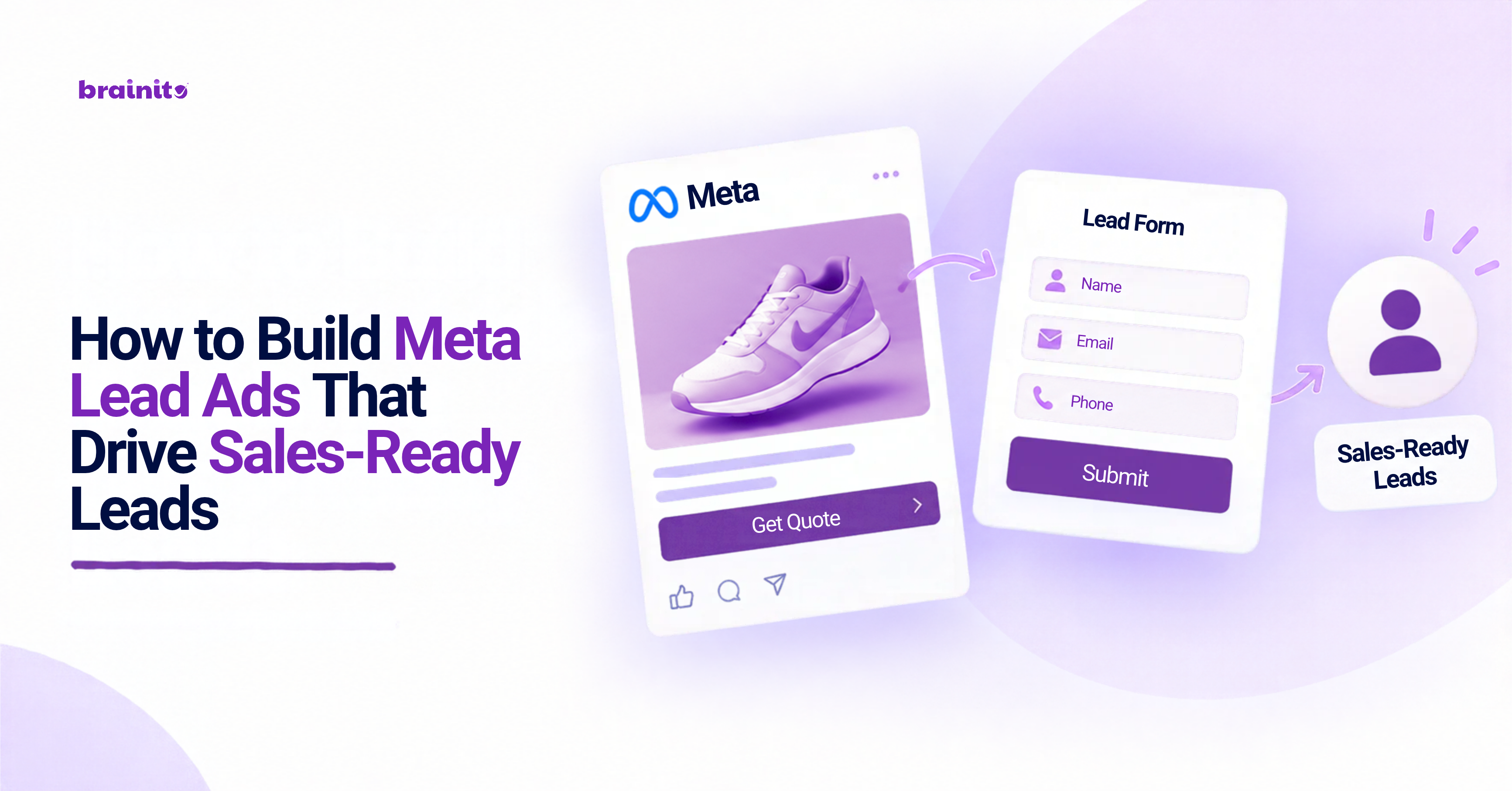
Getting more Meta leads is not always the priority. If your sales team gets hundreds of low-intent form submissuons a day, a lower cost per lead does not necessarily generate more pipeline.
Aim to create lead ads that qualify prospects on the front end by finding the right audience, offer, form, and follow-up.
Here is a framework on building Meta Lead Ads around qualification and intent.
Define a Sales-Ready Lead
Before launching into Ads Manager, define the characteristics of a lead that your team would be successful selling to.
Ideal customers might have certain budgets, locations, business sizes, or needs. Consider if there is a particular persona, industry, or product that fits your service offerings.
Document criteria so the ad and form attract and qualify people based on your criteria rather than everyone who might express any level of interest.
Match the Offer to Buyer Intent
While the familiar "Contact Us" form can gather broad interest, a compelling offer can help you get higher-quality, more motivated leads.
Use a value-based offer, such as a discovery call, product demo, audit, pricing quote, trial, or resource.
The offer should reflect what your sales team is trying to accomplish and what a prospective buyer might consider their pain point, need, or next step.
Build the Audience Based on the Customer
While targeting looks at buyers' characteristics, begin with the kinds of people who already buy from you.
Consider regional locations, age or gender, interests or behaviors, job title, and description, and elements common to most of your past clients.
Avoid reducing the audience size; give the algorithm enough information to find the most relevant customers and use the offer and form to qualify those leads.
Create an Ad That Qualifies People
Your ad should describe and appeal to the type of person who submits the form.
Specifically, tell prospects who the offer is for and what they will get. This approach ensures irrelevant applicants do not fill out your form.
Be as specific about the qualification criteria as you believe necessary. Sometimes, qualifying criteria require multiple steps in the customer journey.
Use Creative That Demonstrates What's Offered
Creative images or videos should illustrate the experience, service, result, or value received when prospects engage with your offer.
Do not use generic Meta ad creative. Instead, demonstrate relevant products, services, outcomes, or the feeling one might expect from using your offering.
Test different ad copy and creative, but maintain consistency so teams know what changed when analyzing results.
Use Form Fields That Qualify Buyers
Meta's instant form fields make it easy to ask for contact and account information, but fewer fields might be necessary.
Determine which questions help qualify leads and create options for the sales team to follow up. It could be budget, location, business size, desired service, project needs, or other preferences.
Wherever relevant, use multiple-choice fields to make it easier for respondents to select an answer and help analyze the results.
Balance Friction and Lead Generation
The more fields and questions a prospect must complete, the more hesitant they will be.
On the other hand, a short application does not always increase the quantity or quality of pipeline.
Consider the least amount of friction necessary for sales-ready leads to move to the next stage.
If adding a qualifying question reduces the number of leads but improves the overall quality, it could benefit the sales team rather than limiting pipeline.
Connect the Lead to a Fast, Relevant Follow-Up
No matter how compelling an ad, lead generation without a follow-up cannot produce meaningful conversations.
Ensure the form submission goes directly to the appropriate sales representative and a customer relationship management (CRM) system, if available.
Depending on the offer, the follow-up call might come immediately after the lead enters their contact information.
Adequate context can let a representative know whether a prospective buyer requested a demonstration, quote, meeting, or another service.
Measure Sales Outcomes, Not Just Cost Per Lead
Cost per lead can be a helpful metric, but it typically represents the beginning of the sales cycle rather than overall success.
Track the leads that come from your qualification Meta ads, conversions from meetings or other next steps, opportunities, pipeline, closed deals, revenue, and customer lifetime value.
For instance, compare Campaign A, which generates twice the leads at $8 each while Campaign B generates them at $14, to Campaign B, which provides several higher-quality leads.
Edit the Funnel Instead of the Meta Lead Ads
When cost per lead or the total lead volume changes, the modification to the funnel might be in another area.
If the clicks are steady, consider why people might not want to fill out the form.
Was the offer compelling enough, or did ad creative deter respondents?
If the audience and form seem relevant, but sales reports few qualified leads, the issue might be with the follow-up process rather than the qualification Meta ad itself.
A Brainito Meta Lead Ad Campaign Generator Can Help Get Started
A lead ad is only as good as its ability to entice prospective customers into the sales cycle and provide relevant information for the team to follow up.
Sales-ready leads occur when the buyer has demonstrated intent to work with a supplier. Meta qualification campaigns can generate these leads when constructed with the appropriate audience, offer, ad messaging, form fields, and relevant follow-up.
Teams should also use the power of advertising data to attribute sales outcomes back into the marketing mix.
Written by:
Brainito Intelligence
www.brainito.com