Finding Your Calm: How Mindfulness Practices Transform Mental Health
In today’s fast-paced world, chronic stress and anxiety have unfortunately become the norm. Between constant notifications, work pressures, and daily responsibilities, our minds are rarely in the present moment. Enter mindfulness—a powerful tool that is reshaping how we approach mental health and emotional well-being.
What is Mindfulness?
At its core, mindfulness is the basic human ability to be fully present, aware of where we are and what we’re doing, and not overly reactive or overwhelmed by what’s happening around us. Rooted in ancient meditation traditions, mindfulness can be practiced through formal meditation, breathing exercises, or simply bringing awareness to everyday activities like eating, walking, or washing dishes.
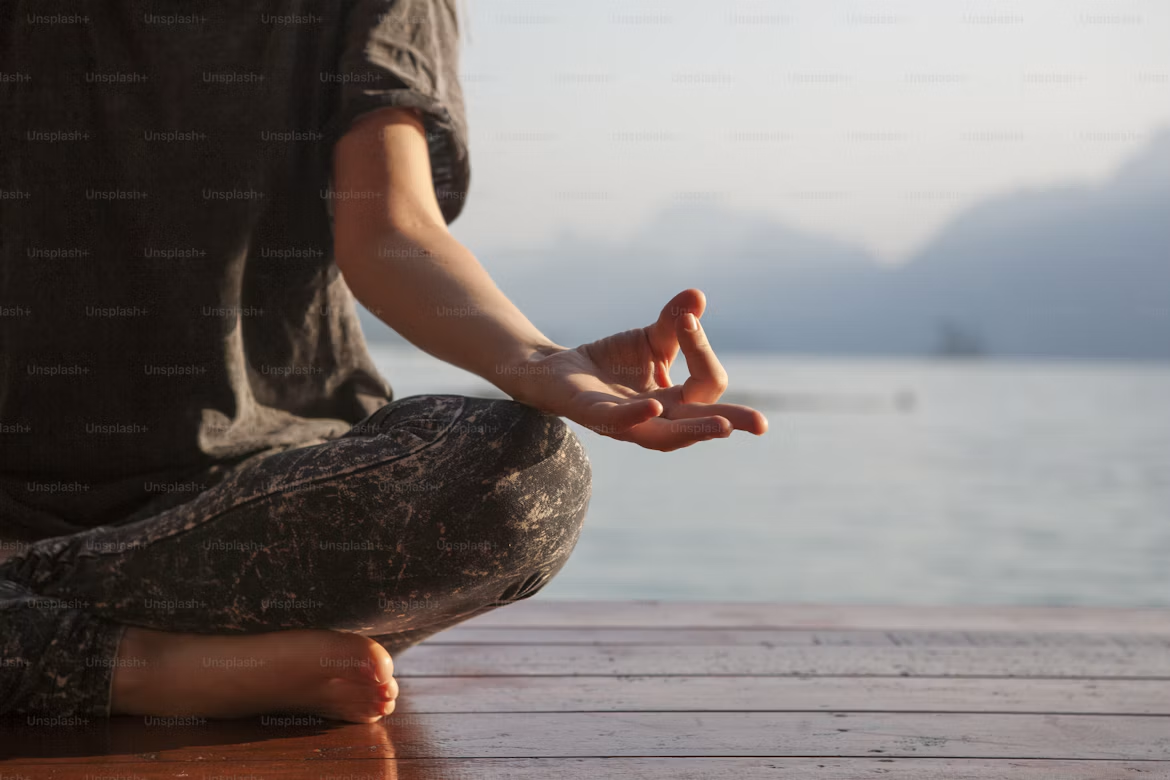
Research consistently shows that incorporating mindfulness into your daily routine yields profound psychological benefits:
Reduces Stress and Anxiety: Mindfulness trains the brain to step off the "fight or flight" treadmill. By focusing on the breath, individuals learn to observe anxious thoughts without attaching judgment to them, effectively reducing the physiological symptoms of stress.
Combats Depression: Mindfulness-Based Cognitive Therapy (MBCT) has been widely proven to help prevent the relapse of depression. It teaches people to recognize negative thought patterns early and disengage from rumination.
Enhances Emotional Regulation: Regular practice increases gray matter in the prefrontal cortex, the area of the brain responsible for emotional regulation, decision-making, and self-control. This means fewer impulsive reactions and greater emotional resilience.
Improves Focus: In an age of shrinking attention spans, mindfulness acts like a workout for your concentration, improving your ability to stay on task and reducing mental fatigue.
Getting Started
You don’t need hours of silent meditation to reap the benefits. Start small: dedicate just five minutes a day to focus entirely on your breath. Notice the inhale, the exhale, and the sensation of the air moving through your body.
By anchoring yourself in the present moment, you reclaim your peace of mind and build a resilient foundation for lifelong mental wellness.